
Searching for website development cost in Delhi usually means you are comparing proposals that look similar on paper but diverge sharply in delivery, support, and long-term fit. Price follows scope—not the other way around. Before you treat one line item as “expensive” and another as a bargain, map what you are actually buying: pages, features, integrations, content work, and post-launch ownership.
This guide explains how quotes are built in the Delhi NCR market, what separates a small brochure site from a custom build, and which questions help you compare vendors without relying on fabricated price tables.
How website quotes are structured
Most agencies and studios break projects into discovery, design, development, content, QA, and launch. Each phase has different labour intensity. A five-page company site with a contact form is not comparable to a multi-location service site with booking, CRM sync, and role-based admin panels—even if both are called “business websites.”
Quotes also reflect who does the work: in-house specialists, blended teams, or offshore execution with local project management. Delhi NCR has a dense vendor landscape, which can compress prices for template-led work but widen the gap for engineering-heavy builds.
Common scope tiers (qualitative, not fixed prices)
| Tier | Typical scope | What usually increases cost |
|---|---|---|
| Starter brochure site | Handful of pages, basic CMS or static build, contact form | Custom design, multilingual pages, accessibility requirements |
| Marketing / lead-gen site | Service pages, blog, landing templates, analytics, basic SEO setup | CRM integration, marketing automation, advanced forms |
| Custom web application | User accounts, dashboards, workflows, APIs | Complex permissions, third-party data, compliance audits |
| E-commerce | Catalog, cart, payments, order management | Inventory sync, multi-vendor logic, custom shipping rules |
Tiers are starting points. Two “marketing sites” can differ if one needs 40 location pages and structured data for local search while the other needs a simple portfolio.
Cost drivers that matter in Delhi NCR
Geography does not magically make code cheaper, but local context does affect requirements—and requirements drive cost.
- Competition and positioning: Businesses targeting Delhi, Gurgaon, and Noida often need sharper differentiation: faster pages, clearer service architecture, and trust signals (reviews, certifications, case-style explainers without exaggerated claims).
- Compliance and trust: Healthcare, finance, education, and B2B SaaS frequently need privacy policies, consent flows, secure forms, and audit-friendly hosting choices. These add design and engineering time.
- Content readiness: Many projects stall because copy, photography, and legal approvals arrive late. Vendors who include content strategy, SEO-ready page structure, or migration from an old site charge accordingly—or you pay twice in timeline overruns.
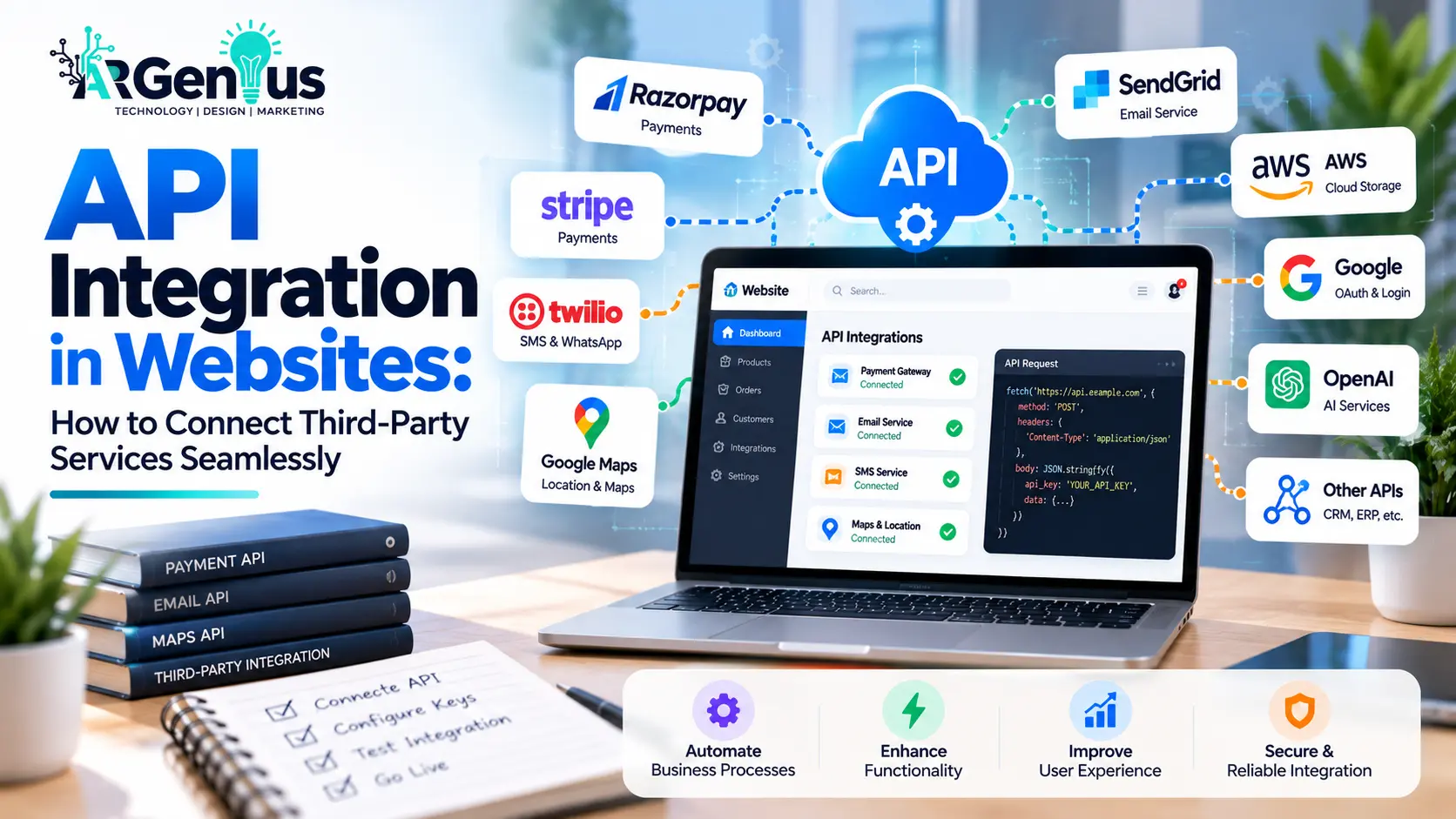
- Integrations: Payment gateways, WhatsApp lead routing, Zoho or HubSpot CRM, ERP hooks, and custom APIs each need discovery, error handling, and testing.
- Performance and SEO foundations: Clean URL structure, schema markup, Core Web Vitals-aware front ends, and crawlable architecture are cheaper to bake in at build time than to retrofit later. See our SEO-friendly website guide for build-time checks.
What a credible proposal should include
A useful quote names assumptions explicitly. Look for:
- Page and template inventory (what is custom vs reusable)
- CMS or framework choice and licensing notes
- Revision rounds and approval milestones
- Hosting, SSL, backups, and who manages DNS
- Warranty period and hourly rate for change requests
- Training and handover documentation
Vague “includes SEO” or “includes admin panel” lines without detail often lead to disputes. Ask for a sitemap-level breakdown.
Questions to ask before you commit
- What happens if we add five service pages mid-project?
- Who owns the design files, code repository, and domain credentials?
- Is the site built for mobile-first performance or desktop-only mockups scaled down?
- How are staging, UAT, and production environments handled?
- What is excluded—content writing, stock images, GST invoicing integrations, Hindi/regional language pages?
- How do you handle accessibility and form spam protection?
If you plan to hire locally, compare this research-oriented view with the service-focused overview on web development in Delhi or the broader India web development page—those pages describe delivery models; this article helps you evaluate quotes.
Red flags in pricing conversations
Be cautious when a vendor guarantees a fixed price before understanding integrations, refuses to share a milestone plan, or bundles “unlimited pages” without defining templates. Extremely low bids often omit migration, security hardening, or responsive QA across devices common in the Indian market—mid-range Android phones and varied network speeds.
Also watch for proprietary lock-in: custom CMS you cannot export, or hosting you cannot move. A fair quote explains exit paths.
Frequently asked questions
Why do two Delhi agencies quote wildly different amounts for the “same” website?
They rarely scope the same work. Differences in custom design depth, CMS choice, number of templates, integration count, content support, and post-launch warranty all shift price. Always compare line-item scope, not headline totals.
Is a template-based WordPress site always cheaper than custom development?
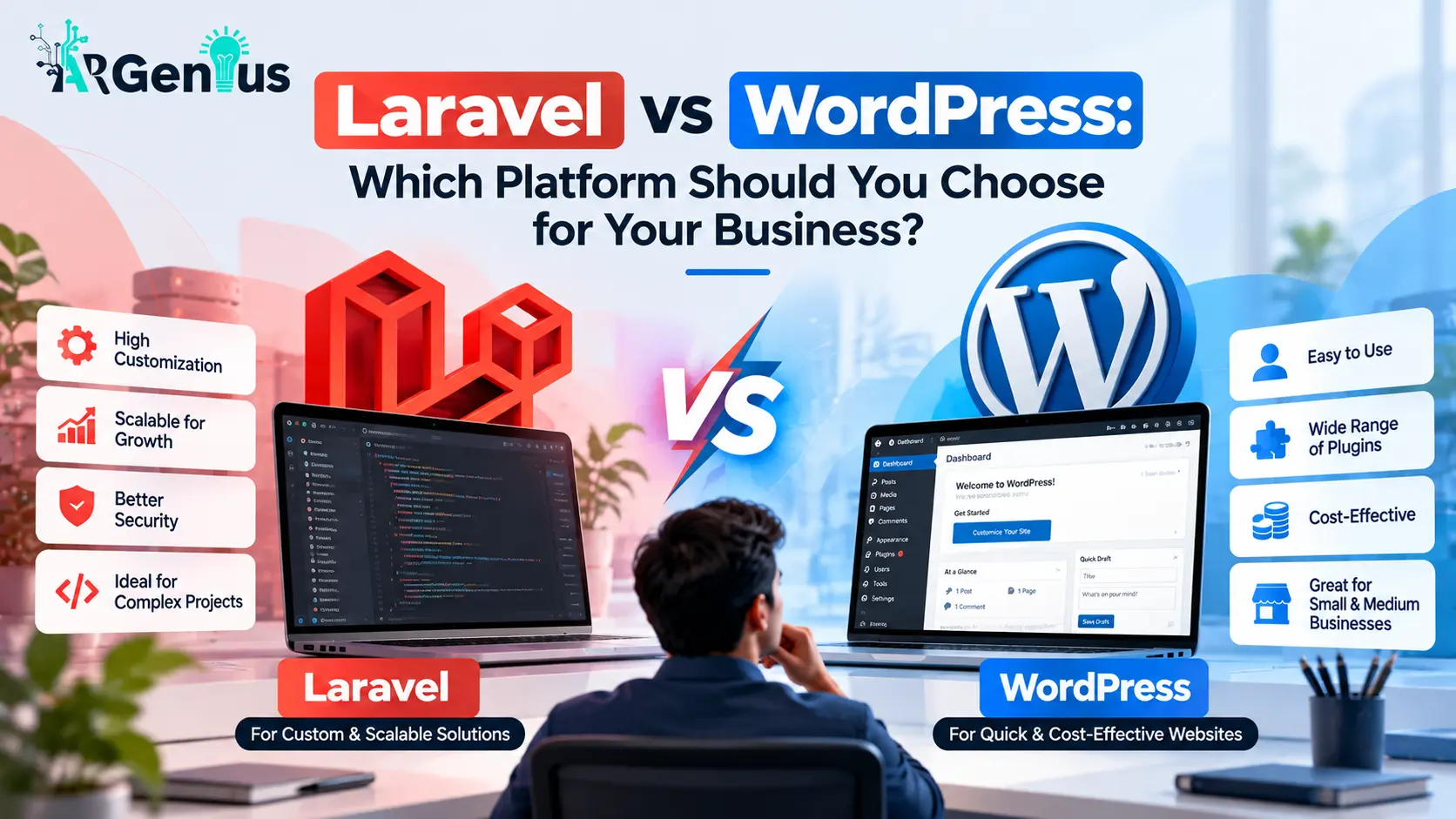
Not always. Templates reduce initial design time, but heavy customization, performance tuning, plugin conflicts, and unique workflows can close the gap quickly. Custom builds can be economical when you need precise performance, security, or application logic.
Should I pay for discovery separately?
Discovery workshops, sitemap validation, and technical feasibility checks reduce rework. Some vendors fold discovery into the main quote; others charge a fixed discovery fee credited toward build. Either model works if deliverables—wireframes, user flows, integration map—are clear.
How does e-commerce scope affect cost compared to a brochure site?
E-commerce adds product data modelling, cart and checkout flows, payment and refund handling, tax display logic, order emails, and admin tooling. Even a small catalog introduces ongoing operational complexity beyond marketing pages.
Do Delhi businesses need separate mobile sites?
Usually no. Responsive or adaptive builds on a modern stack are standard. Costs rise when you need distinct mobile apps or progressive web apps with offline behaviour—different projects entirely.
What ongoing costs should I budget after launch?
Plan for hosting, domain renewal, SSL, plugin or framework updates, security monitoring, backups, and occasional feature work. Marketing sites with blogs or commerce need more frequent maintenance than static brochures.
Ready to compare scope with a team that documents assumptions up front? Share your sitemap and integration list and we will outline a tier-appropriate plan—without filler pricing tables.