Discover how properly organizing blog archives improves SEO, enhances user experience, strengthens internal linking, and helps older blog posts continue generating organic traffic.
Introduction
As your website grows, your blog archive becomes one of your most valuable digital assets. Every published article has the potential to continue attracting visitors, generating leads, and building authority—provided it remains organized and easy to find. Unfortunately, many websites publish new content regularly but neglect older posts, causing valuable articles to disappear beneath newer publications.
A well-managed blog archive helps visitors discover relevant older content while making it easier for search engines to crawl, index, and understand your website. Instead of treating archived posts as outdated content, businesses should view them as long-term SEO assets that can continue driving traffic for years.
Proper archive management involves more than simply listing old articles by date. It includes organizing content by categories, improving internal linking, updating outdated information, refreshing SEO elements, and ensuring every archive page provides value to readers.
Well-structured archives also strengthen topical authority, improve user engagement, reduce bounce rates, and encourage visitors to explore multiple pages during a single session. Search engines appreciate websites that maintain organized, updated, and interconnected content libraries.
Whether you operate a business website, educational portal, technology blog, or news platform, maintaining an organized archive ensures your older content continues contributing to your SEO strategy instead of becoming forgotten pages.
In this comprehensive guide, you'll learn how to organize blog archives, optimize old posts, improve archive page SEO, and create a sustainable content management strategy that delivers long-term organic growth.
At Argenius, we help businesses build SEO-focused content strategies that maximize the value of every published article while improving website organization, user experience, and search visibility.
What are Blog Archives?
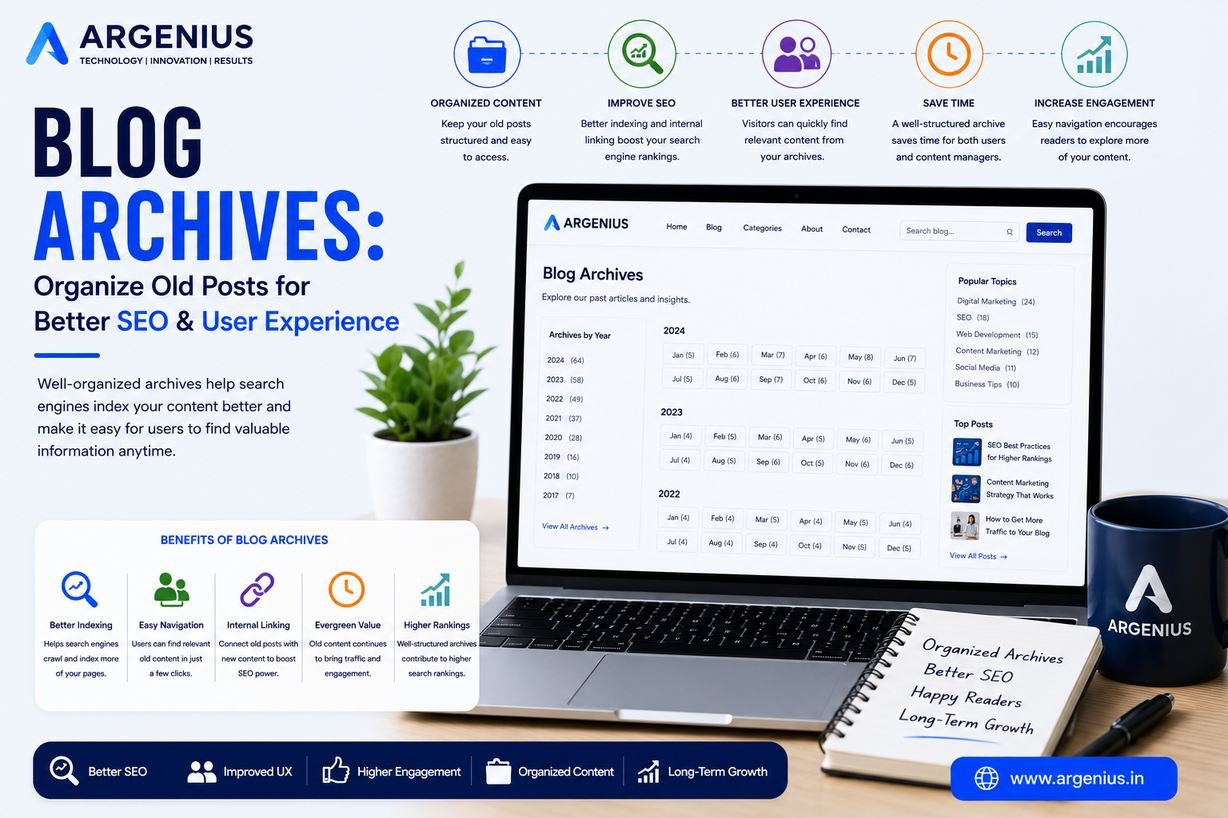
Blog archives are collections of previously published blog posts that are organized to help readers easily discover older content.
Archives may be organized by:
- Categories
- Publication Date
- Tags
- Topics
- Authors
- Year
- Month
- Industry
- Content Type
- Popularity
A properly organized archive ensures valuable content remains accessible long after publication.
Why Blog Archives Matter
Many older blog posts continue generating traffic if they remain optimized and easy to find.
Benefits include:
- Better Content Discovery
- Improved User Experience
- Stronger SEO
- Better Crawlability
- Increased Organic Traffic
- Higher Engagement
- More Internal Linking Opportunities
- Improved Topical Authority
- Better Content Management
- Long-Term Lead Generation
Your archive should be viewed as an active resource rather than a storage area.
Benefits of Organizing Old Blog Posts
Maintaining organized archives provides significant long-term advantages.
These include:
- Better Search Rankings
- Increased Page Views
- Lower Bounce Rate
- Easier Website Navigation
- Improved Content Reuse
- Better AI Search Visibility
- Stronger Brand Authority
- Increased Reader Retention
- Improved Website Scalability
- Higher ROI from Existing Content
Refreshing older content often delivers faster SEO results than publishing entirely new articles.
Different Types of Blog Archives
There are several ways to organize archived content.
Category Archives
Group posts under broad topics.
Date Archives
Organize content by year and month.
Tag Archives
Display posts related to specific keywords.
Author Archives
Group content written by individual authors.
Topic Archives
Organize articles around major subject areas.
Featured Archives
Highlight evergreen or high-performing content.
Why Updating Old Posts is Important
Search engines favor fresh and accurate information.
Regular updates help:
- Improve Rankings
- Refresh Statistics
- Fix Broken Links
- Update SEO
- Improve Readability
- Add New Internal Links
- Refresh Images
- Expand Content
- Improve User Experience
- Increase Traffic
Keeping archived content current extends its value and relevance.
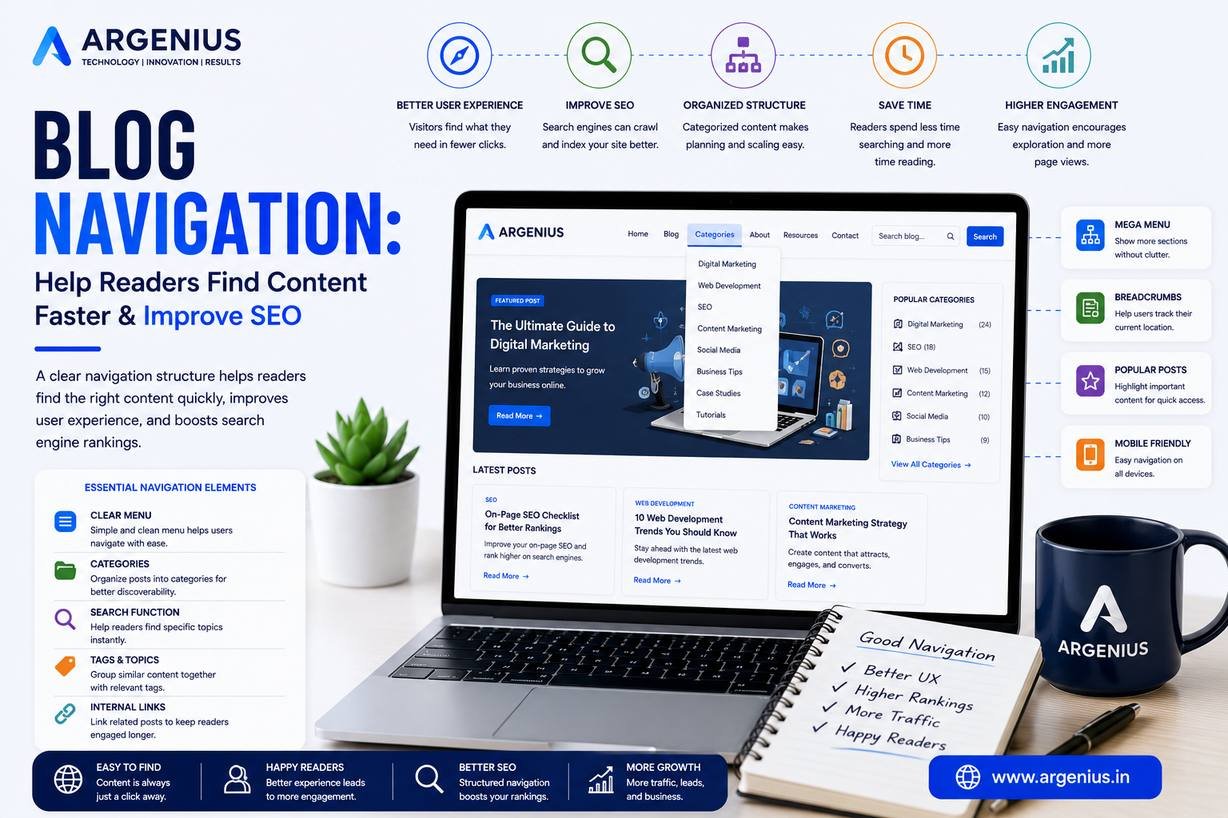
Essential Elements of a Good Archive
Every effective archive should include:
- Search Function
- Categories
- Tags
- Breadcrumb Navigation
- Pagination
- Internal Links
- Featured Posts
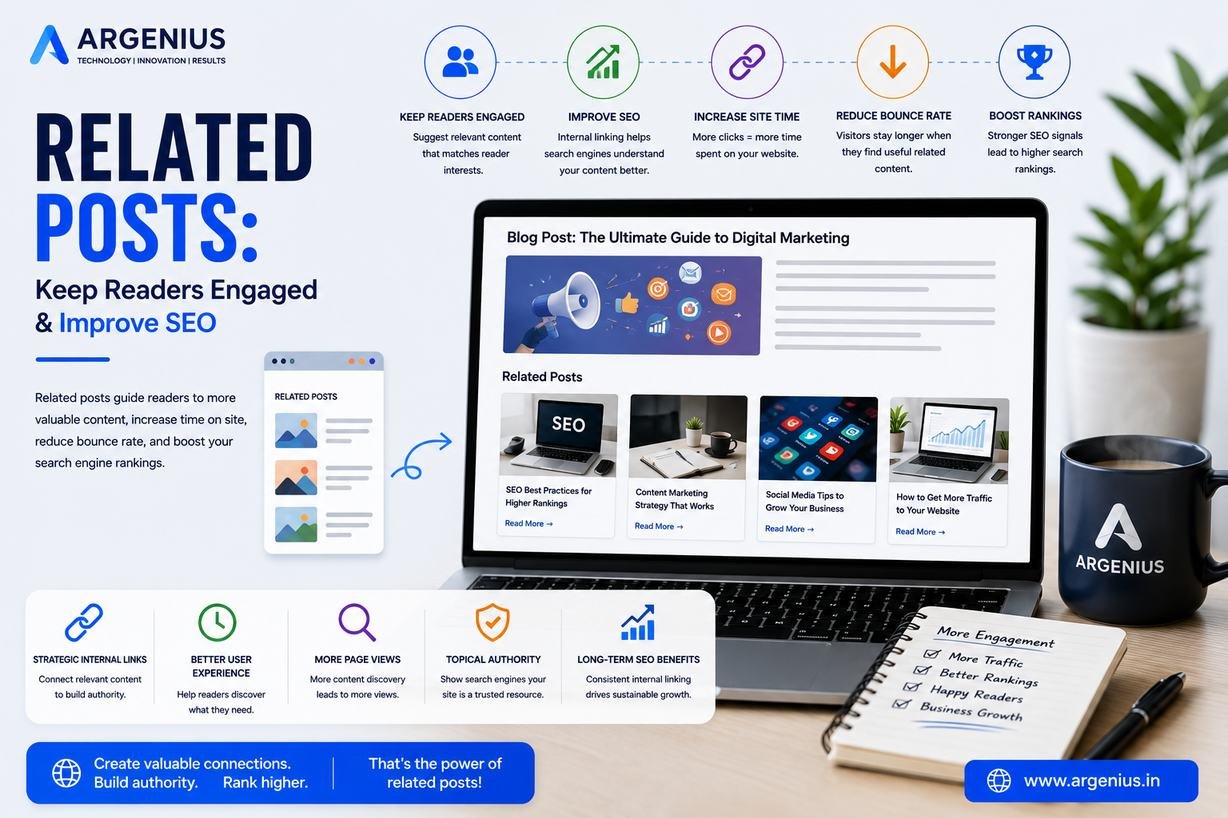
- Related Articles
- Archive Filters
- Mobile-Friendly Design
These elements help readers quickly locate older content.
Common Archive Management Mistakes
Avoid these common errors:
- Ignoring Old Posts
- Broken Internal Links
- Outdated Information
- Duplicate Content
- Empty Archive Pages
- Poor Navigation
- Weak Category Structure
- Missing SEO Optimization
- No Content Audit
- Never Updating Articles
A neglected archive gradually loses SEO value over time.
Step-by-Step Framework for Managing Blog Archives
An organized archive helps readers discover older content while improving your website's SEO performance.
Follow this proven framework:
- Audit Existing Blog Posts
- Remove or Merge Duplicate Content
- Organize Posts into Categories
- Optimize Archive Pages
- Update Outdated Articles
- Add Relevant Internal Links
- Improve Navigation
- Refresh Images and Media
- Monitor Performance
- Schedule Regular Content Reviews
A consistent archive management process keeps your content library organized, relevant, and valuable.
Creating SEO-Friendly Archive Pages
Archive pages should provide more value than simply listing blog posts.
A well-optimized archive page should include:
- Keyword-Optimized Heading
- Unique Archive Description
- Featured Articles
- Category Overview
- Related Topics
- Internal Links
- Search Functionality
- Breadcrumb Navigation
- FAQ Section
- Optimized Meta Title & Description
Adding useful content to archive pages increases their chances of ranking in search results.
Content Refresh Strategy
Refreshing older articles is one of the most effective ways to improve SEO without creating entirely new content.
Update your archived posts by:
- Revising Outdated Information
- Adding Recent Statistics
- Expanding Thin Content
- Improving Readability
- Updating Keywords
- Replacing Old Images
- Fixing Broken Links
- Adding New Internal Links
- Improving Calls-to-Action
- Refreshing Meta Tags
Regular updates signal freshness to both users and search engines.
Internal Linking Strategy
Archived content becomes more valuable when connected through strategic internal links.
Best practices include:
- Link Older Posts to New Articles
- Link New Articles to Evergreen Content
- Connect Topic Clusters
- Link Category Pages
- Use Descriptive Anchor Text
- Update Existing Links
- Avoid Orphan Pages
- Highlight Related Resources
A strong internal linking strategy improves crawlability, user engagement, and authority distribution.
SEO Optimization for Blog Archives
Archive pages should be optimized just like individual blog posts.
Optimize:
- SEO Title
- Meta Description
- URL Structure
- Category Descriptions
- Heading Hierarchy
- Breadcrumb Navigation
- Internal Links
- Image Alt Text
- Schema Markup
- Canonical URLs (where required)
Proper optimization ensures archive pages contribute positively to your overall SEO strategy.
AI Search Optimization
AI-powered search engines prefer well-organized websites with clearly structured content.
Improve AI visibility by:
- Creating descriptive archive pages.
- Grouping related topics together.
- Updating outdated information.
- Building strong internal links.
- Using structured headings.
- Writing unique archive descriptions.
- Adding FAQs.
- Keeping navigation simple and logical.
These strategies improve visibility in Google AI Overviews, ChatGPT, Gemini, and Perplexity.
Measuring Archive Performance
Monitor these metrics to evaluate the effectiveness of your blog archives.
Track:
- Organic Traffic
- Archive Page Rankings
- Average Time on Page
- Pages per Session
- Bounce Rate
- Internal Link Clicks
- Indexed Pages
- Returning Visitors
- Lead Conversions
- Content Engagement
Regular monitoring helps identify which archived content deserves additional updates.
Cost of Professional Archive Optimization (₹ INR)
| Service |
Estimated Cost |
| Basic Archive Cleanup |
₹5,000 – ₹10,000 |
| SEO Archive Optimization |
₹8,000 – ₹20,000 |
| Complete Content Audit |
₹15,000 – ₹40,000 |
| Content Refresh & Internal Linking |
₹20,000 – ₹60,000 |
| Complete SEO Content Management Strategy |
₹30,000 – ₹2,00,000+ |
Factors Affecting Cost
The total investment depends on:
- Number of Blog Posts
- Website Size
- Content Quality
- SEO Requirements
- Internal Linking Strategy
- Content Refresh Scope
- Technical Improvements
- Ongoing Maintenance
Investing in archive optimization helps maximize the value of your existing content and supports long-term organic growth.
Best Practices
Follow these best practices when managing blog archives:
- Organize posts into logical categories.
- Update evergreen content regularly.
- Remove or merge duplicate articles.
- Fix broken internal and external links.
- Add fresh statistics and examples.
- Optimize archive pages for SEO.
- Strengthen internal linking.
- Improve navigation and search functionality.
- Audit your content periodically.
- Focus on delivering value to readers.
These practices help keep your archive relevant, searchable, and beneficial for both users and search engines.
Common Mistakes to Avoid
Avoid these common archive management mistakes:
- Ignoring old blog posts
- Leaving outdated information unchanged
- Broken internal links
- Duplicate archive pages
- Poor navigation
- Empty category pages
- Missing meta descriptions
- Weak internal linking
- Never reviewing old content
- Deleting valuable evergreen articles unnecessarily
Regular maintenance prevents your archive from becoming outdated and ineffective.
Future Trends in Blog Archive Management
As search technology evolves, archive management continues to become more intelligent.
Emerging trends include:
- AI-Powered Content Audits
- Automated Content Refresh Suggestions
- Semantic Content Clustering
- Intelligent Internal Linking
- Personalized Archive Recommendations
- Voice Search Optimization
- AI Search Optimization
- Dynamic Archive Pages
- Entity-Based Content Organization
- Predictive Content Maintenance
Businesses adopting these approaches will improve discoverability and strengthen long-term SEO performance.
Why Businesses Choose Argenius
At Argenius, we help businesses transform old blog content into valuable SEO assets through structured archive management, content optimization, and strategic internal linking.
Our services include:
- Content Audit & Optimization
- Blog Archive Management
- SEO Content Writing
- Keyword Research
- Technical SEO
- On-Page SEO
- Website Development
- WordPress Development
- Digital Marketing
- SEO Performance Optimization
Our team ensures every blog post continues contributing to your website's visibility, authority, and business growth.
Final Thoughts
A well-maintained blog archive is more than a collection of old posts—it is a valuable resource that continues to drive traffic, improve SEO, and support your overall content marketing strategy. By regularly updating older articles, strengthening internal links, organizing content into logical categories, and optimizing archive pages, you can extend the lifespan of your existing content while providing a better experience for readers.
Instead of constantly focusing only on publishing new articles, invest time in maintaining and improving your archive. Updated evergreen content often delivers faster SEO gains than creating new posts from scratch because it already has indexing history and authority. At Argenius, we help businesses optimize their blog archives to improve search rankings, increase engagement, and generate long-term organic growth through strategic content management.
Frequently Asked Questions
What is a blog archive?
A blog archive is a collection of previously published blog posts organized by categories, dates, tags, authors, or topics, making it easier for visitors to discover older content.
Why are blog archives important for SEO?
Well-organized archives improve crawlability, strengthen internal linking, support topical authority, and help older content continue attracting organic traffic.
How often should I update archived blog posts?
Review important evergreen articles regularly and update them whenever information becomes outdated, new statistics are available, or SEO improvements are needed.
Should I delete old blog posts?
Not always. If a post still has value, update and optimize it instead of deleting it. Remove only low-quality, duplicate, or irrelevant content when necessary.
Can archive pages rank in Google?
Yes. Archive pages with unique descriptions, strong internal linking, and optimized content can rank for relevant search terms and improve overall website visibility.
Does Argenius provide blog archive optimization?
Yes. Argenius offers blog archive management, SEO content optimization, content audits, technical SEO, website development, and digital marketing services to help businesses maximize the long-term value of their existing content.