Discover practical strategies to increase blog traffic, improve SEO, attract more readers, and build long-term organic growth through smart content marketing.
Introduction
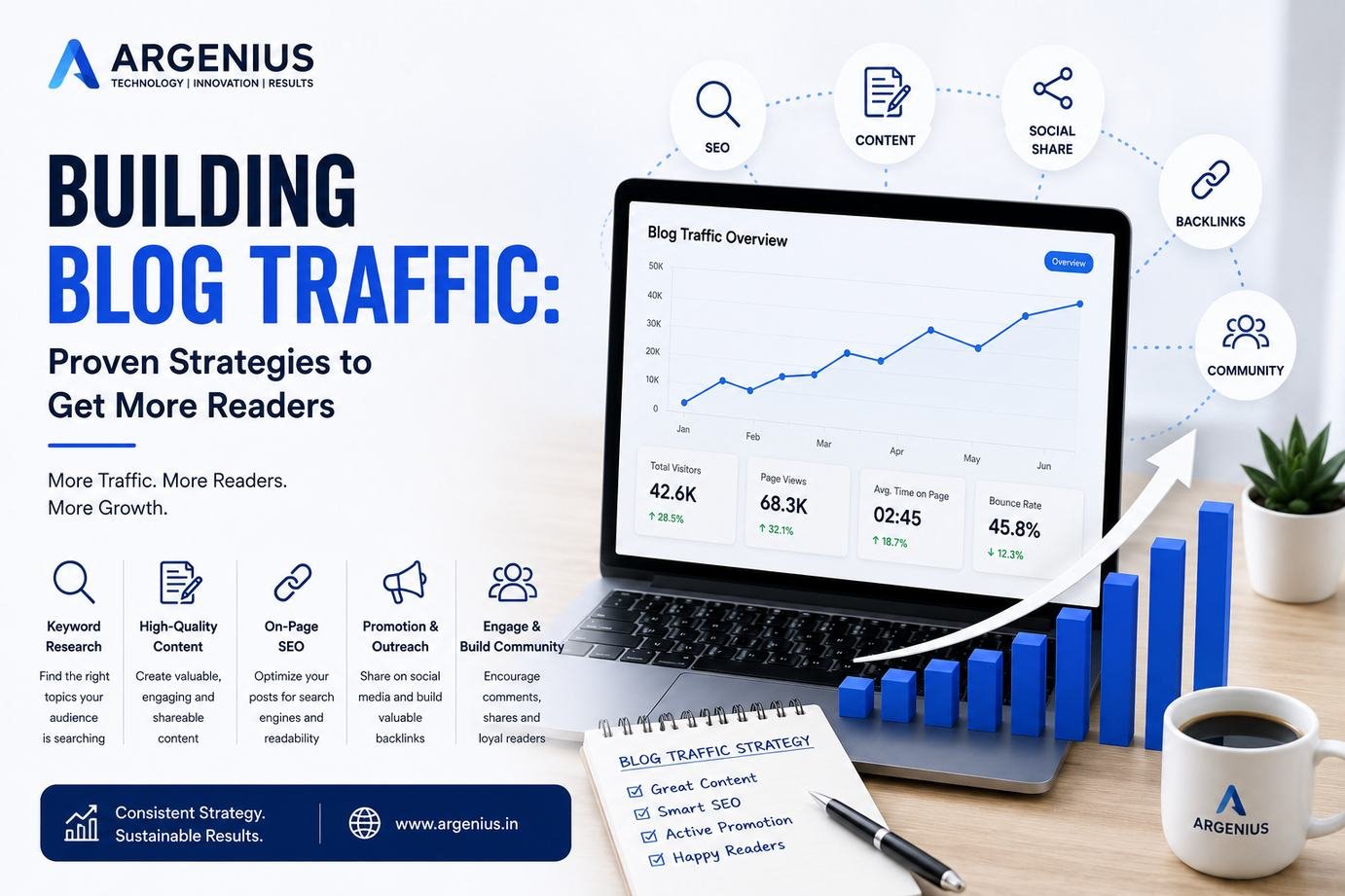
Writing a great blog post is only half the job. If nobody reads your content, even the most valuable article cannot generate leads, sales, or brand awareness. That's why Building Blog Traffic should be a core part of every content marketing strategy.
Many businesses publish blogs regularly but fail to attract readers because they ignore SEO, content distribution, audience research, internal linking, and content promotion. Successful blogs don't rely on luck—they follow a structured strategy that consistently brings new visitors from search engines, social media, referrals, email marketing, and AI-powered search platforms.
Growing blog traffic also requires patience. Organic SEO is a long-term investment, but when done correctly, it provides sustainable traffic without relying heavily on paid advertising. The combination of high-quality content, technical SEO, keyword optimization, and smart promotion creates a system that continuously attracts new readers while keeping existing visitors engaged.
Whether you're running a business website, SaaS platform, eCommerce store, educational portal, or digital agency, increasing blog traffic helps you generate more leads, improve brand authority, and grow your business online.
In this guide, you'll learn practical and proven strategies to Build Blog Traffic, increase organic visibility, and create a scalable content marketing system that delivers long-term results.
At Argenius, we help businesses grow through SEO-driven content strategies, technical optimization, and digital marketing solutions that generate qualified traffic and measurable business growth.
Why Blog Traffic Matters
Without traffic, even the best content cannot achieve business goals.
Increasing Blog Traffic helps you:
- Generate More Leads
- Increase Brand Awareness
- Improve SEO Rankings
- Build Industry Authority
- Increase Website Revenue
- Improve Customer Trust
- Grow Email Subscribers
- Increase Product Sales
- Build Long-Term Organic Traffic
- Reduce Paid Marketing Costs
Traffic is the foundation of successful content marketing.
20 Proven Strategies to Build Blog Traffic
1. Publish High-Quality Content
Create articles that solve real user problems.
Focus on:
- Original Research
- Step-by-Step Guides
- Expert Advice
- Practical Examples
- Actionable Solutions
Quality content naturally earns more traffic and backlinks.
2. Target the Right Keywords
Perform detailed Keyword Research before writing.
Look for:
- High Search Volume
- Low Competition
- Long-Tail Keywords
- Buyer Intent Keywords
- Question-Based Keywords
Target keywords your audience is actively searching for.
3. Optimize Every Blog for SEO
Every article should include:
- Optimized Title
- Meta Description
- Heading Structure
- Internal Links
- Image Alt Text
- Schema Markup
- Fast Loading Speed
- Mobile Optimization
Technical SEO helps search engines understand and rank your content.
4. Create Evergreen Content
Evergreen articles continue attracting visitors for years.
Examples:
- Complete Guides
- Tutorials
- Checklists
- Best Practices
- Industry Fundamentals
Update them regularly to maintain rankings.
5. Build Topic Clusters
Instead of isolated articles, create related content around one subject.
Example:
SEO
↓
Keyword Research
↓
Technical SEO
↓
On-Page SEO
↓
Link Building
↓
Content Marketing
Topic clusters strengthen topical authority and improve rankings.
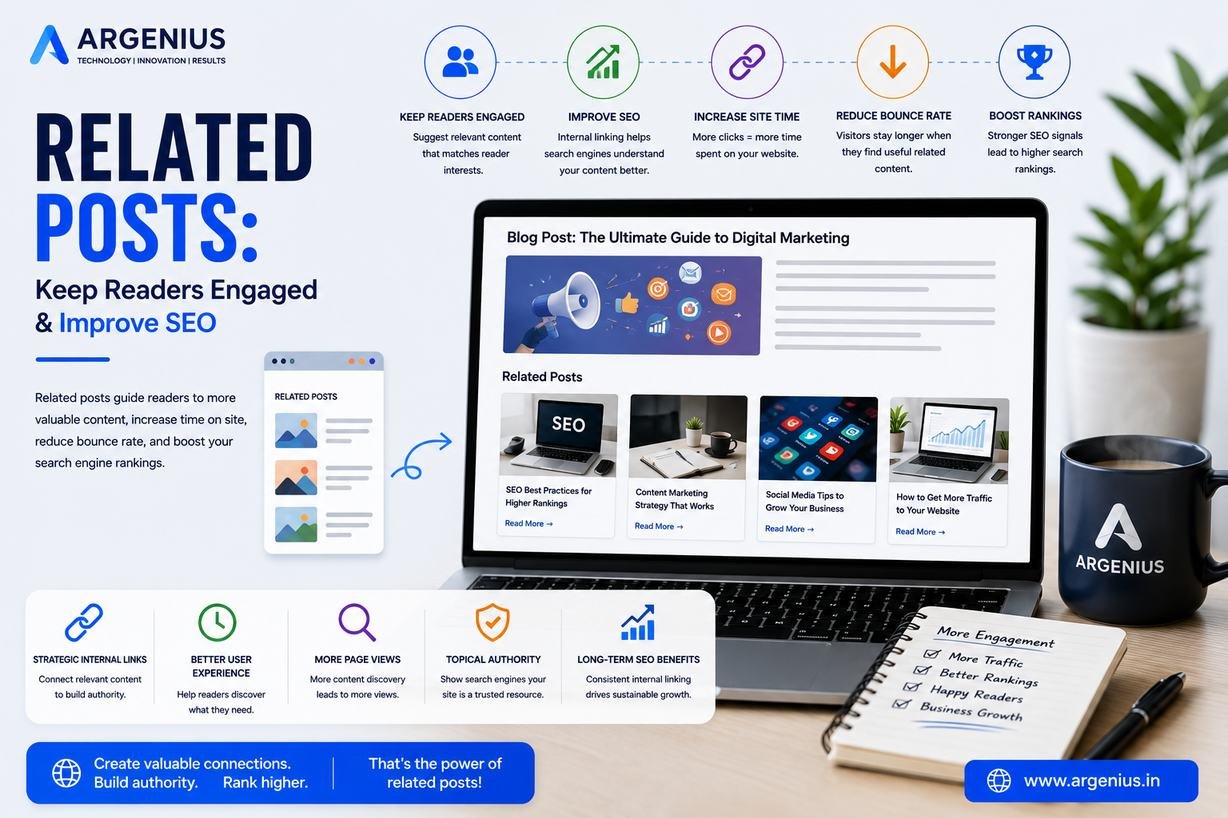
6. Improve Internal Linking
Link related articles throughout your website.
Benefits:
- Better Crawling
- Increased Session Duration
- Higher Page Authority
- Better User Experience
Aim for 5–10 internal links per article.
7. Update Existing Content
Refreshing old articles often produces faster SEO gains than publishing new ones.
Update:
- Statistics
- Images
- Examples
- FAQs
- Keywords
- Internal Links
- CTAs
Google values fresh and accurate content.
8. Optimize for AI Search
Structure your content for:
- Google AI Overviews
- ChatGPT
- Gemini
- Perplexity
Include:
- Direct Answers
- FAQs
- Tables
- Lists
- Entity-Based Writing
- Semantic Keywords
This increases visibility in AI-powered search experiences.
9. Improve Core Web Vitals
Fast websites retain more readers.
Optimize:
- LCP
- CLS
- INP
- Image Compression
- Lazy Loading
- CDN
- Browser Caching
Website speed directly impacts both SEO and user experience.
10. Write Click-Worthy Headlines
A compelling title increases CTR.
Good headlines:
- Solve a Problem
- Include Primary Keyword
- Create Curiosity
- Promise a Benefit
- Stay Clear and Specific
Your title determines whether users click or scroll past.
11. Promote on Social Media
Don't publish and forget.
Share content on:
- LinkedIn
- Facebook
- Instagram
- X (Twitter)
- Pinterest
- Relevant Communities
Each platform can bring a new audience to your blog.
12. Build an Email List
Email marketing keeps readers coming back.
Send:
- Weekly Blog Updates
- Newsletters
- Industry Insights
- Exclusive Resources
Email remains one of the highest-converting traffic sources.
13. Earn High-Quality Backlinks
Focus on backlinks from relevant and authoritative websites.
Methods include:
- Guest Blogging
- Digital PR
- Resource Pages
- Industry Collaborations
- Original Research
Quality backlinks improve authority and rankings.
14. Optimize for Featured Snippets
Increase your chances of appearing in featured results by using:
- Numbered Lists
- Bullet Points
- Definitions
- Tables
- FAQs
- Concise Answers
Snippet optimization can significantly improve visibility.
15. Use Visual Content
Enhance your articles with:
- Infographics
- Charts
- Custom Graphics
- Screenshots
- Videos
Visual content improves engagement and shareability.
16. Monitor Performance
Track key metrics regularly:
- Organic Traffic
- CTR
- Bounce Rate
- Session Duration
- Keyword Rankings
- Conversions
Use analytics to refine your strategy.
17. Encourage Reader Engagement
Invite readers to:
- Leave Comments
- Share Articles
- Subscribe
- Ask Questions
Engaged readers are more likely to return.
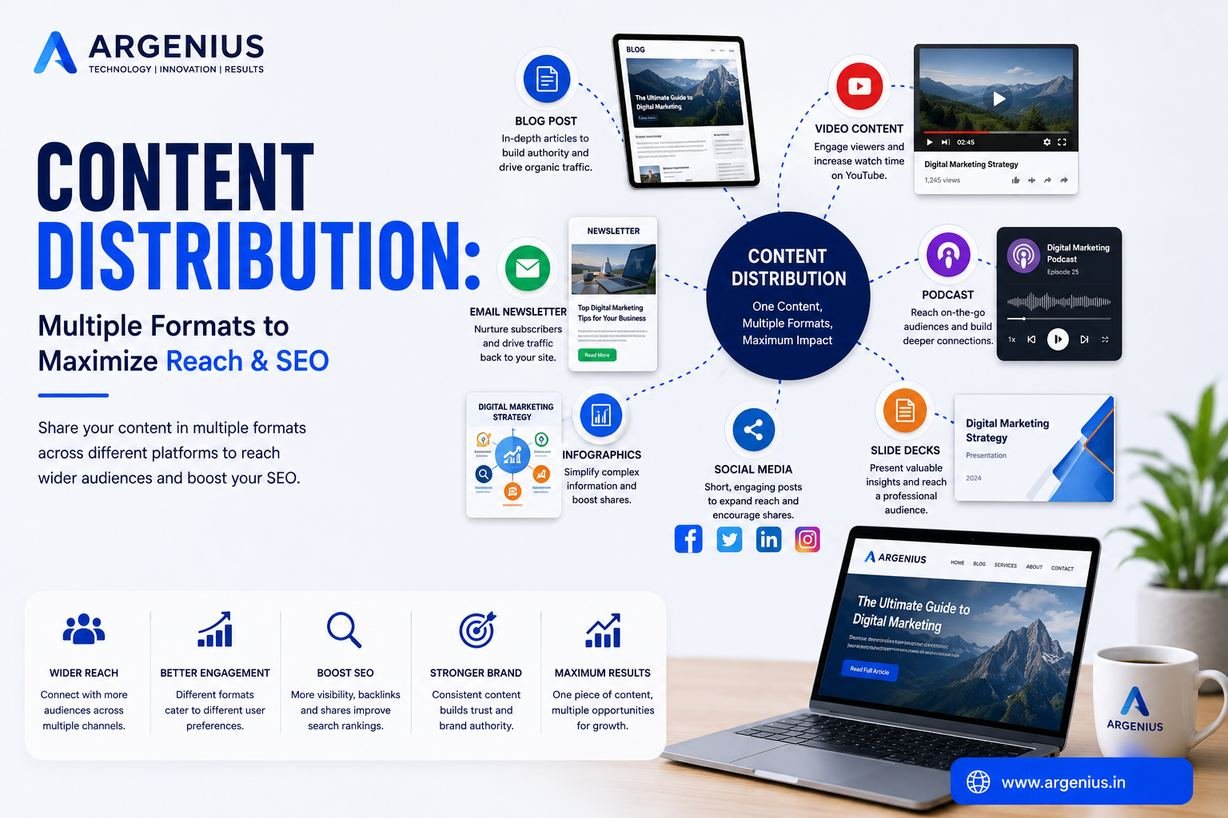
18. Repurpose Content
Turn one blog into:
- Videos
- Short Clips
- Infographics
- Email Newsletters
- LinkedIn Posts
- eBooks
Repurposing expands your reach without creating everything from scratch.
19. Publish Consistently
Maintain a realistic publishing schedule.
Consistency builds:
- Reader Trust
- Search Engine Signals
- Brand Authority
- Organic Growth
Even one high-quality article each week can produce strong long-term results.
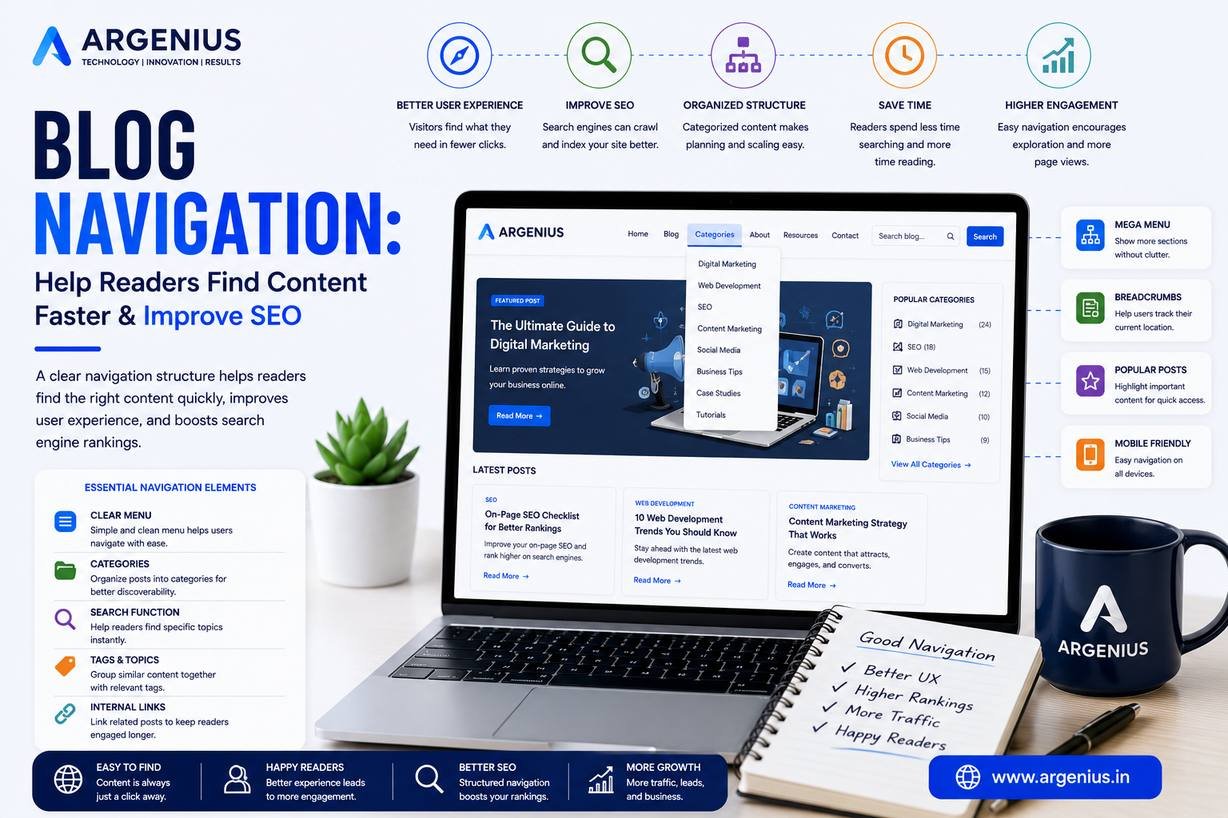
20. Focus on User Experience
Ensure your website offers:
- Easy Navigation
- Fast Loading Pages
- Mobile-Friendly Design
- Readable Typography
- Clear CTAs
A positive user experience keeps visitors engaged and encourages repeat visits.
Step-by-Step Blog Traffic Growth Plan
Growing blog traffic requires consistency, patience, and a clear strategy. Instead of chasing quick wins, focus on building a sustainable system that continuously attracts qualified visitors.
Step 1: Understand Your Target Audience
Identify:
- Customer Pain Points
- Search Intent
- Frequently Asked Questions
- Buying Journey
- Preferred Content Formats
Knowing your audience helps you create content that people actually want to read.
Step 2: Build a Keyword Strategy
Target a balanced mix of:
- High-Volume Keywords
- Long-Tail Keywords
- Question-Based Keywords
- Low-Competition Keywords
- Commercial Intent Keywords
Create topic clusters instead of targeting isolated keywords.
Step 3: Create High-Value Content
Every article should provide genuine value.
Include:
- Step-by-Step Instructions
- Real Examples
- Practical Tips
- Statistics (where relevant)
- Checklists
- FAQs
- Visual Elements
Avoid writing content just to hit a word count.
Step 4: Optimize Every Article
Before publishing, check:
- SEO Title
- Meta Description
- URL Structure
- Heading Hierarchy
- Image Alt Text
- Internal Links
- External References
- Schema Markup
- Mobile Optimization
- Page Speed
Small optimizations collectively have a significant impact on rankings.
Step 5: Promote Your Content
Publishing is only the beginning.
Promote your articles through:
- LinkedIn
- Facebook
- Instagram
- X (Twitter)
- Email Newsletter
- Business Communities
- Industry Forums
- WhatsApp Broadcasts
Consistent promotion increases visibility and referral traffic.
Step 6: Analyze Performance
Review analytics regularly to identify:
- Top-Performing Articles
- Highest Traffic Sources
- Best Keywords
- Highest CTR Pages
- Most Shared Content
- Conversion Rates
Use this data to improve future content.
Best Sources of Blog Traffic
A successful blog relies on multiple traffic sources instead of depending on one channel.
| Traffic Source |
Why It Matters |
| Organic Search |
Sustainable long-term traffic through SEO |
| Direct Traffic |
Builds brand recognition and loyalty |
| Social Media |
Increases reach and engagement |
| Email Marketing |
Brings repeat visitors and improves conversions |
| Referral Traffic |
Earns visitors from backlinks and partner websites |
| AI Search Platforms |
Expands visibility in AI-powered search experiences |
Diversifying traffic sources makes your blog more resilient to algorithm changes.
SEO Strategies That Drive More Readers
To improve Building Blog Traffic, focus on these SEO essentials:
- Publish comprehensive, helpful content.
- Match search intent accurately.
- Optimize titles and meta descriptions for higher CTR.
- Build strong internal linking.
- Improve Core Web Vitals.
- Optimize for mobile devices.
- Add structured data where applicable.
- Update evergreen content regularly.
- Earn quality backlinks naturally.
- Monitor keyword performance consistently.
These practices strengthen your search visibility over time.
AI Search Optimization
Modern users increasingly discover content through AI-powered search assistants.
Improve visibility by:
- Answering questions directly.
- Creating topic clusters.
- Using descriptive headings.
- Including comparison tables where useful.
- Adding FAQ sections.
- Writing concise summaries.
- Updating content regularly.
- Building topical authority across related subjects.
These improvements increase your chances of appearing in Google AI Overviews, ChatGPT, Gemini, and Perplexity.
Measuring Blog Traffic Performance
Track these KPIs to evaluate the success of your traffic strategy:
- Organic Traffic
- New Users
- Returning Visitors
- Keyword Rankings
- Click-Through Rate (CTR)
- Average Time on Page
- Bounce Rate
- Pages per Session
- Lead Generation
- Conversion Rate
Monitoring these metrics helps you identify opportunities for continuous improvement.
Cost of Professional SEO & Content Marketing (₹ INR)
| Service |
Estimated Cost |
| Keyword Research |
₹5,000 – ₹15,000 |
| SEO Blog Writing |
₹3,000 – ₹12,000 per article |
| Technical SEO Audit |
₹10,000 – ₹40,000 |
| Monthly SEO Services |
₹15,000 – ₹75,000/month |
| Complete Content Marketing Strategy |
₹40,000 – ₹3,00,000+ |
Factors Affecting Cost
The overall investment depends on:
- Industry Competition
- Number of Target Keywords
- Content Volume
- Website Size
- Technical SEO Requirements
- Content Promotion
- Link Building Strategy
- Ongoing SEO Management
Investing in professional SEO and content marketing helps create sustainable traffic growth instead of relying solely on paid advertising.
Best Practices
Follow these best practices to increase Blog Traffic consistently:
- Publish high-quality content regularly.
- Focus on solving real user problems.
- Target keywords with clear search intent.
- Build topic clusters instead of isolated articles.
- Improve internal linking across your website.
- Refresh existing content periodically.
- Promote every article across multiple channels.
- Optimize for mobile and page speed.
- Build an email subscriber base.
- Measure performance and refine your strategy.
These practices create a strong foundation for long-term organic growth.
Common Mistakes to Avoid
Avoid these common traffic-building mistakes:
- Publishing without keyword research
- Ignoring search intent
- Writing only for search engines
- Weak internal linking
- Not updating older articles
- Slow-loading pages
- Poor mobile experience
- No promotion after publishing
- Ignoring analytics
- Expecting instant SEO results
Avoiding these mistakes helps you build consistent, sustainable traffic over time.
Future Trends in Blog Traffic Growth
The way users discover content continues to evolve.
Key trends include:
- AI-Powered Search Experiences
- Voice Search Optimization
- Personalized Search Results
- Video-First Content Strategies
- Interactive Content
- Topic Cluster SEO
- First-Party Data Collection
- AI-Assisted Content Optimization
- Predictive Search
- Omnichannel Content Marketing
Businesses that adapt to these trends will be better positioned for long-term visibility.
Why Businesses Choose Argenius
At Argenius, we help businesses grow their online presence with data-driven SEO and content marketing strategies designed to increase qualified traffic and generate measurable business results.
Our services include:
- SEO Strategy
- Keyword Research
- SEO Content Writing
- Technical SEO
- Website Development
- WordPress Development
- Laravel Development
- Content Marketing
- Performance Optimization
- Digital Marketing
Our focus is on building sustainable organic growth through high-quality content, technical excellence, and effective digital marketing.
Final Thoughts
Building Blog Traffic is a long-term process that combines high-quality content, strategic SEO, technical optimization, and consistent promotion. Rather than chasing quick traffic spikes, focus on creating valuable resources that answer user questions, solve real problems, and establish your website as a trusted source in your industry.
The most successful blogs grow because they consistently publish helpful content, optimize every article for search engines and AI-powered platforms, update existing pages, and promote their work across multiple channels. With patience and a structured strategy, your blog can become a reliable source of qualified traffic, leads, and business growth. At Argenius, we help businesses build scalable SEO and content marketing systems that deliver sustainable results and long-term online success.
Frequently Asked Questions
How long does it take to increase blog traffic?
SEO is a long-term strategy. While some improvements may appear within a few weeks, meaningful and sustainable traffic growth typically requires consistent effort over several months.
What is the best source of blog traffic?
Organic Search is often the most valuable long-term source because it delivers consistent, high-intent visitors without ongoing advertising costs.
How often should I publish new blog posts?
Consistency is more important than frequency. Publishing one or two high-quality, SEO-optimized articles each week is often more effective than publishing many low-quality posts.
Can social media help increase blog traffic?
Yes. Sharing your content across social media platforms helps expand its reach, drive referral traffic, and increase engagement with your target audience.
Does updating old content improve traffic?
Absolutely. Refreshing existing articles with updated information, improved SEO, and new internal links can significantly boost rankings and organic traffic.
Does Argenius provide SEO and content marketing services?
Yes. Argenius offers SEO strategy, keyword research, SEO content writing, technical SEO, website development, WordPress development, Laravel development, content marketing, and digital marketing services to help businesses attract more qualified visitors and achieve long-term growth.