Discover how data-driven content helps businesses improve SEO, build credibility, increase backlinks, and create high-quality articles using statistics, research, surveys, and real-world data.
Introduction
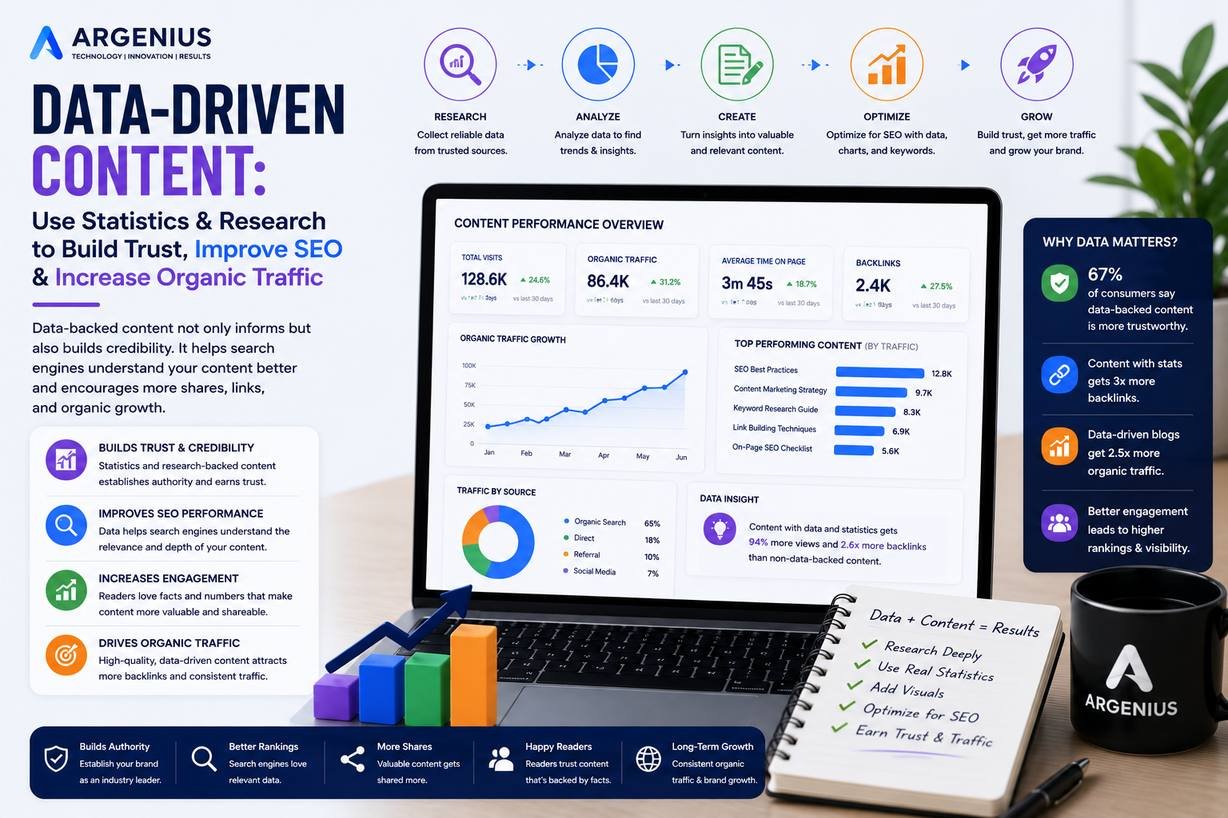
In today's competitive digital landscape, publishing opinions alone is no longer enough. Readers, search engines, and AI-powered platforms increasingly prefer content backed by credible research, verified statistics, industry reports, and real-world data. This is where data-driven content becomes a powerful advantage.
Whether you're writing about SEO, website development, mobile app development, digital marketing, finance, healthcare, education, or technology, using reliable statistics and research makes your content more trustworthy, authoritative, and valuable. Instead of making unsupported claims, data-backed content provides evidence that helps readers make informed decisions.
Search engines like Google reward content that demonstrates Experience, Expertise, Authoritativeness, and Trustworthiness (E-E-A-T). Likewise, AI search platforms such as Google AI Overviews, ChatGPT, Gemini, and Perplexity prioritize structured, evidence-based content because it is easier to verify and summarize.
Data-driven articles also tend to earn more backlinks, increase average time on page, improve social sharing, and strengthen brand authority. Readers naturally trust businesses that support their recommendations with facts instead of assumptions.
In this comprehensive guide, you'll learn how to create data-driven content, collect reliable statistics, structure research-backed blog posts, optimize them for SEO, and use factual information to build long-term credibility and sustainable organic traffic.
At Argenius, we combine strategic SEO, in-depth research, and high-quality content writing to help businesses publish authoritative content that ranks higher, earns trust, and generates qualified leads.
What is Data-Driven Content?
Data-driven content is content that uses verified information from trusted sources to educate readers, support claims, and provide evidence-based insights.
Instead of relying only on opinions, this type of content includes:
- Industry Statistics
- Market Research
- Survey Results
- Government Reports
- Academic Studies
- Customer Data
- Business Analytics
- Performance Metrics
- Trend Analysis
- Case Study Data
The objective is to create informative, trustworthy, and highly credible content.
Why Data-Driven Content Matters
Modern readers expect facts before making important decisions.
Using verified research helps:
- Build Reader Trust
- Increase Brand Credibility
- Strengthen E-E-A-T
- Improve Search Rankings
- Increase Organic Traffic
- Earn Quality Backlinks
- Improve User Engagement
- Support Decision Making
- Increase Lead Generation
- Build Industry Authority
Businesses that consistently publish research-backed content often establish themselves as trusted industry leaders.
Benefits of Using Statistics & Research
Publishing research-based content offers numerous long-term advantages.
Key benefits include:
- Higher Search Visibility
- Better Reader Confidence
- Improved Content Quality
- More Social Shares
- Increased Backlinks
- Better AI Search Visibility
- Longer Time on Page
- Higher Conversion Rates
- Stronger Brand Reputation
- Better Long-Term ROI
Unlike opinion-based articles, data-driven content remains valuable because it provides factual evidence that readers can reference and trust.
Types of Data Used in Content
Different types of data can strengthen different kinds of articles.
Industry Statistics
Numbers published by trusted organizations.
Example:
- Digital marketing industry reports.
- Website performance benchmarks.
Survey Results
Information collected directly from customers or audiences.
Government Data
Official reports from government departments and public institutions.
Academic Research
Peer-reviewed studies published by universities and research organizations.
Business Analytics
Website traffic, sales data, customer behavior, and campaign performance metrics.
Case Study Data
Real project results that demonstrate measurable business outcomes.
Why Credible Sources Matter
Not all statistics are equally reliable.
Choose sources that are:
- Well-known
- Up-to-date
- Relevant
- Transparent
- Authoritative
- Fact-Checked
- Industry Recognized
- Regularly Updated
Using trustworthy sources improves both reader confidence and SEO credibility.
Essential Elements of High-Quality Data-Driven Content
Every successful research-based article should include:
- Clear Introduction
- Verified Statistics
- Source Attribution
- Expert Insights
- Charts & Tables
- Visual Data
- Practical Analysis
- Actionable Recommendations
- FAQs
- Strong Conclusion
Combining data with practical advice creates content that is both informative and valuable.
How to Research Before Writing
Preparation is essential when creating data-driven content.
Before writing:
- Identify the Target Audience.
- Define the Main Topic.
- Research Primary Keywords.
- Collect Recent Industry Reports.
- Compare Multiple Sources.
- Verify Statistics.
- Save Source References.
- Organize the Data into Sections.
Thorough research ensures your article is accurate, comprehensive, and trustworthy.
Common Mistakes to Avoid
Avoid these common errors when creating research-backed content:
- Using Outdated Statistics
- Quoting Unverified Sources
- Misinterpreting Research
- Providing No Context
- Cherry-Picking Data
- Ignoring Search Intent
- Overloading the Article with Numbers
- Weak Analysis
- Missing Internal Links
- No Clear Conclusion
Readers value explanations and insights just as much as the data itself.
Step-by-Step Framework for Creating Data-Driven Content
Creating data-driven content requires more than collecting statistics. The goal is to transform raw information into valuable insights that help readers make informed decisions.
Follow this proven framework:
- Choose a High-Value Topic
- Identify the Primary Keyword
- Understand User Search Intent
- Collect Data from Trusted Sources
- Verify Every Statistic
- Analyze the Findings
- Add Practical Insights
- Include Charts or Visuals
- Optimize for SEO
- Publish and Update Regularly
Following this workflow helps create authoritative content that performs well in both search engines and AI-powered search platforms.
Finding Reliable Research Sources
The quality of your content depends on the quality of your research.
Look for information from:
- Government Websites
- University Research Papers
- Industry Reports
- Official Company Reports
- Research Organizations
- Professional Associations
- Market Research Firms
- Trusted News Publications
- Public Surveys
- Verified Analytics Platforms
Always verify information across multiple credible sources before publishing.
Turning Data into Valuable Insights
Simply listing statistics is not enough. Explain what the numbers mean and why they matter.
For every statistic:
- Explain the context.
- Describe why it's important.
- Compare it with previous trends where relevant.
- Highlight business implications.
- Provide actionable recommendations.
Readers appreciate insights, not just numbers.
Using Charts, Tables & Visual Content
Visualizing information improves readability and helps readers understand complex topics quickly.
Useful visual elements include:
- Bar Charts
- Line Graphs
- Pie Charts
- Comparison Tables
- Infographics
- Heat Maps
- Timelines
- Performance Dashboards
Each visual should include descriptive alt text to improve accessibility and SEO.
SEO Optimization for Data-Driven Content
Research-backed content should be optimized for both search engines and readers.
Optimize:
- SEO Title
- Meta Description
- URL Slug
- Primary Keyword
- Secondary Keywords
- Heading Structure
- Image Alt Text
- Internal Links
- Schema Markup
- FAQ Section
Natural keyword placement combined with high-quality research improves long-term search visibility.
AI Search Optimization
AI-powered search engines prioritize factual, structured, and evidence-based content.
To improve AI visibility:
- Use descriptive headings.
- Support claims with verified data.
- Organize information logically.
- Add summaries for key findings.
- Include FAQs.
- Avoid unsupported opinions.
- Keep formatting clean and consistent.
- Update statistics regularly.
These practices improve visibility in Google AI Overviews, ChatGPT, Gemini, and Perplexity.
Promoting Research-Based Content
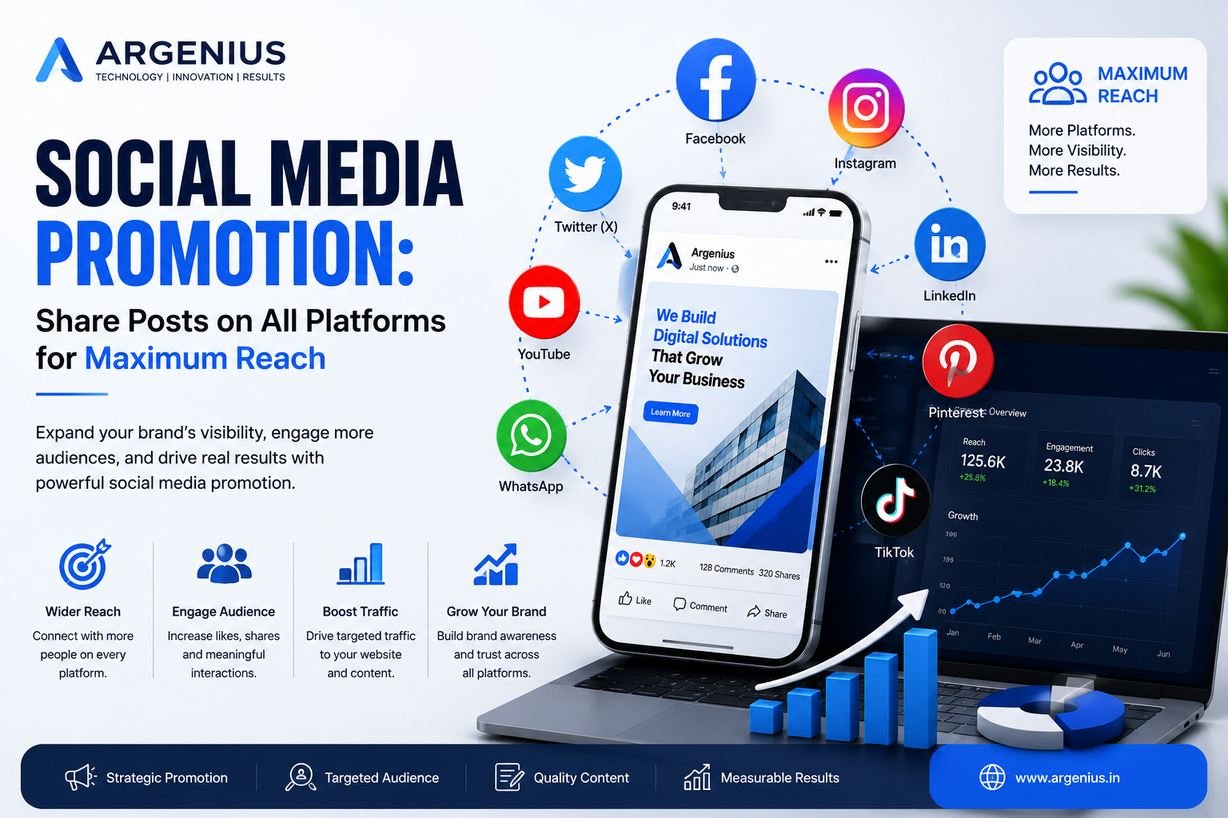
Publishing valuable research is only the beginning. Promote your article to maximize its reach.
Promotion ideas:
- Share on LinkedIn
- Publish on Facebook
- Post on X (Twitter)
- Send through Email Newsletters
- Submit to Industry Communities
- Feature on Your Homepage
- Repurpose into Infographics
- Create Short Videos
- Discuss Key Findings in Webinars
- Include in Monthly Content Roundups
Research-backed articles often attract backlinks and social shares when promoted consistently.
Measuring Success
Track the performance of your data-driven content using key SEO and engagement metrics.
Monitor:
- Organic Traffic
- Keyword Rankings
- Click-Through Rate (CTR)
- Average Time on Page
- Bounce Rate
- Scroll Depth
- Backlinks
- Social Shares
- Lead Conversions
- Returning Visitors
Regular analysis helps identify which topics generate the greatest business value.
Cost of Professional Research-Based Content (₹ INR)
| Service |
Estimated Cost |
| SEO Research Blog (2,000–2,500 Words) |
₹6,000 – ₹12,000 |
| Premium Research Article (3,000–4,000 Words) |
₹10,000 – ₹25,000 |
| Industry Research Report |
₹15,000 – ₹40,000 |
| Research Article with Custom Infographics |
₹20,000 – ₹50,000 |
| Complete Content Marketing Strategy |
₹30,000 – ₹2,00,000+ |
Factors Affecting Cost
The overall investment depends on:
- Research Complexity
- Industry Expertise
- Number of Data Sources
- Word Count
- SEO Optimization
- Graphic Design
- Editing & Proofreading
- Content Strategy
High-quality research-based content continues generating traffic, backlinks, and qualified leads long after publication.
Best Practices
Follow these best practices when creating data-driven content:
- Use only verified and credible sources.
- Cross-check important statistics.
- Explain every data point clearly.
- Focus on helping readers make decisions.
- Use visuals to simplify complex information.
- Optimize naturally for SEO.
- Link to relevant internal resources.
- Keep data updated regularly.
- Balance facts with practical insights.
- End with clear recommendations.
These practices improve credibility, reader engagement, and search performance.
Common Mistakes to Avoid
Avoid these common mistakes:
- Using outdated statistics
- Quoting unreliable sources
- Misinterpreting research findings
- Presenting data without explanation
- Overloading articles with numbers
- Ignoring user search intent
- Weak formatting
- Missing internal links
- No actionable insights
- Never updating published research
Reliable analysis is just as important as accurate data.
Future Trends in Data-Driven Content
Research-based content continues evolving as technology and search behavior change.
Emerging trends include:
- AI-Assisted Data Analysis
- Interactive Dashboards
- Real-Time Data Integration
- Predictive Analytics
- Personalized Research Reports
- Voice Search Optimization
- AI Search Optimization
- Visual Data Storytelling
- First-Party Data Strategies
- Automated Content Updates
Businesses adopting these trends will strengthen authority and remain competitive in organic search.
Why Businesses Choose Argenius
At Argenius, we create research-backed content that combines credible data, strategic SEO, and engaging writing to help businesses establish authority and generate sustainable growth.
Our services include:
- Research-Based Content Writing
- SEO Content Writing
- Keyword Research
- Technical SEO
- On-Page SEO
- Content Marketing
- Website Development
- WordPress Development
- Digital Marketing
- SEO Performance Optimization
Our team transforms complex data into clear, actionable content that builds trust, improves search rankings, and supports long-term business success.
Final Thoughts
Data-driven content is one of the most effective ways to build credibility, strengthen SEO, and establish your brand as a trusted authority. By combining verified statistics, industry research, expert analysis, and practical recommendations, you create content that not only ranks well in search engines but also helps readers make informed decisions. This approach increases trust, encourages backlinks, and improves engagement while supporting E-E-A-T principles.
To maximize long-term value, review your articles regularly, replace outdated statistics, and include new research as it becomes available. Fresh, evidence-based content remains relevant for longer and continues attracting organic traffic over time. At Argenius, we help businesses create comprehensive, research-backed SEO content that improves visibility, enhances credibility, and generates measurable business results.
Frequently Asked Questions
What is data-driven content?
Data-driven content is content that uses verified statistics, research, surveys, reports, and analytics to support claims and provide reliable, evidence-based information.
Why is data-driven content important for SEO?
It improves credibility, strengthens E-E-A-T, increases user trust, attracts backlinks, and helps search engines understand that your content is authoritative and valuable.
Where can I find reliable statistics?
Reliable data can be found through government websites, academic institutions, industry reports, research organizations, official company reports, and trusted analytics platforms.
Should I include charts and graphs?
Yes. Charts, graphs, and infographics make complex information easier to understand, improve engagement, and enhance the overall user experience.
How often should I update research-based articles?
Review them regularly and update statistics whenever new reports or industry data become available to maintain accuracy and search performance.
Does Argenius provide research-based content writing?
Yes. Argenius offers research-based content writing, SEO content creation, keyword research, technical SEO, website development, and digital marketing services to help businesses publish authoritative content that ranks well and generates qualified leads.