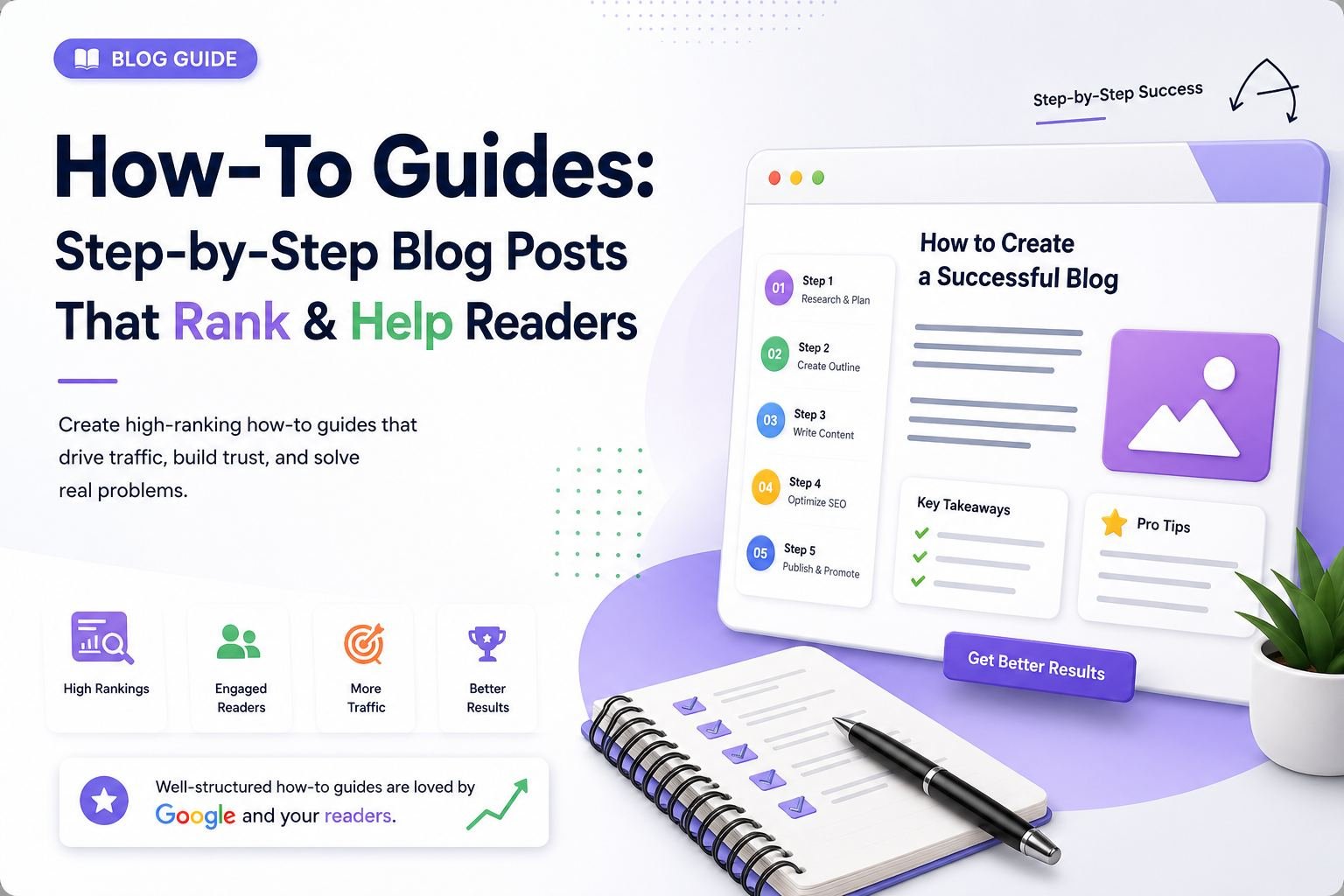
Discover how to write engaging step-by-step blog posts that educate readers, improve search rankings, increase organic traffic, and establish your website as an authority in your industry.
Introduction
One of the most effective types of content for both readers and search engines is a how-to guide. People search online every day to learn new skills, solve problems, and complete specific tasks. Whether they want to build a website, optimize their SEO, install software, or improve their marketing strategy, they often begin with a simple search starting with "how to."
A well-written step-by-step blog post provides clear instructions that help readers achieve a specific goal. Unlike general informational articles, how-to guides focus on practical solutions. They explain each step in an organized manner, making even complex topics easier to understand and implement.
Search engines also value instructional content because it directly matches informational search intent. Comprehensive guides often earn higher rankings, featured snippets, backlinks, and longer engagement times. When users find exactly what they need, they spend more time on the page and are more likely to return for additional resources.
Writing an effective how-to guide requires more than simply listing instructions. The article should explain why each step matters, highlight common mistakes, provide practical tips, and answer frequently asked questions. Combining detailed guidance with proper SEO optimization ensures your content is both useful and discoverable.
In this complete guide, you'll learn how to create step-by-step blog posts, structure instructional content, optimize it for search engines, and develop evergreen articles that continue generating traffic over time.
At Argenius, we create SEO-focused educational content that helps businesses attract qualified visitors, build trust, and generate long-term organic growth.
What are How-To Guides?
A how-to guide is a blog post that teaches readers how to complete a specific task through clear, sequential instructions.
Unlike opinion articles or news updates, how-to guides focus on solving real problems with actionable steps.
They generally include:
- Problem Overview
- Required Tools
- Step-by-Step Instructions
- Tips
- Best Practices
- Common Mistakes
- FAQs
- Summary
The goal is to help readers achieve a successful outcome.
Why How-To Guides Matter
Publishing instructional content offers several benefits.
These include:
- Better Search Rankings
- Increased Organic Traffic
- Higher User Engagement
- Improved Reader Trust
- More Backlinks
- Better Featured Snippet Opportunities
- Increased Time on Page
- Stronger Brand Authority
- More Qualified Leads
- Higher ROI
Educational content remains valuable for years, making it ideal for evergreen SEO strategies.
Benefits of Step-by-Step Blog Posts
Well-structured tutorials help both users and businesses.
Key advantages include:
- Easy-to-Follow Instructions
- Higher Readability
- Better User Experience
- Stronger SEO Performance
- Increased Content Shares
- Improved Conversion Opportunities
- Better Knowledge Retention
- Reduced Customer Support Questions
- Higher Customer Satisfaction
- Long-Term Organic Growth
Types of How-To Guides
Different instructional formats serve different purposes.
Beginner Guides
Designed for users with little or no prior experience.
Example:
Technical Tutorials
Explain advanced technical tasks.
Example:
- How to Configure a Web Server
Business Guides
Teach professional processes.
Example:
- How to Build a Digital Marketing Strategy
Product Tutorials
Show users how to use products or services.
Example:
- How to Use Google Analytics
Troubleshooting Guides
Help users solve common problems.
Example:
- How to Fix Slow Website Speed
Understanding Search Intent
Most how-to guides satisfy informational search intent.
Users typically want to:
- Learn a Skill
- Solve a Problem
- Complete a Task
- Compare Methods
- Improve Performance
- Understand a Process
Writing content that matches user intent significantly improves SEO performance.
Essential Elements of a Great How-To Guide
Every successful instructional article should include:
- Clear Introduction
- Required Tools
- Step-by-Step Instructions
- Helpful Screenshots
- Practical Examples
- Tips & Best Practices
- Common Mistakes
- FAQs
- Conclusion
- Call-to-Action
These elements create a complete learning experience.
Planning Before Writing
Preparation saves time and improves quality.
Before writing:
- Research Keywords
- Analyze Competitor Content
- Create an Outline
- Identify Required Images
- Define the Target Audience
- Understand User Intent
- Collect Practical Examples
- Plan Internal Links
A detailed plan results in clearer and more valuable content.
Common Mistakes When Writing Tutorials
Avoid these common mistakes:
- Skipping Important Steps
- Assuming Prior Knowledge
- Using Technical Jargon Without Explanation
- Poor Formatting
- No Images
- Weak Introduction
- Missing FAQs
- Ignoring SEO
- No Internal Links
- Outdated Information
Well-written tutorials anticipate reader questions and answer them before confusion arises.
Step-by-Step Framework for Writing How-To Guides
A successful how-to guide follows a logical sequence that helps readers move from understanding the problem to successfully completing the task. Every step should build on the previous one and remove any confusion.
A proven framework includes:
- Identify the Problem
- Explain the Objective
- List Required Tools or Resources
- Break the Process into Clear Steps
- Add Screenshots or Examples
- Share Tips and Best Practices
- Explain Common Mistakes
- Summarize the Process
- Include FAQs
- End with a Call-to-Action
Following this structure creates content that is easy to understand and implement.
Writing Clear Step-by-Step Instructions
Each instruction should be simple, actionable, and easy to follow.
For every step:
- Use action-oriented language.
- Explain what the user should do.
- Mention why the step is important.
- Describe the expected outcome.
- Warn about common errors where necessary.
Instead of writing large paragraphs, divide instructions into manageable sections so readers can complete one step before moving to the next.
SEO Optimization for How-To Guides
A tutorial should be optimized for both users and search engines.
Optimize the following elements:
- SEO Title
- Meta Description
- URL Slug
- Primary Keyword
- Secondary Keywords
- Heading Structure
- Image Alt Text
- Internal Links
- Schema Opportunities
- FAQ Section
Proper SEO optimization helps instructional content rank for informational searches.
Using Images & Visual Content
Visuals make tutorials easier to understand.
Include:
- Screenshots
- Infographics
- Process Flowcharts
- Comparison Tables
- Icons
- Annotated Images
- Short Demonstration Videos (where appropriate)
Every image should have descriptive alt text to improve accessibility and SEO.
Creating Beginner-Friendly Content
Not every reader has technical knowledge.
To make your guide accessible:
- Use simple language.
- Explain technical terms.
- Avoid unnecessary jargon.
- Define abbreviations.
- Include practical examples.
- Write short paragraphs.
- Use bullet points where appropriate.
The easier your guide is to understand, the more valuable it becomes.
AI Search Optimization
AI-powered search platforms prioritize content that is structured, informative, and easy to summarize.
Improve AI visibility by:
- Answering questions directly.
- Using descriptive headings.
- Organizing content into logical sections.
- Including numbered steps.
- Adding FAQs.
- Covering related subtopics.
- Providing practical examples.
- Maintaining consistent formatting.
These practices improve visibility across Google AI Overviews, ChatGPT, Gemini, and Perplexity.
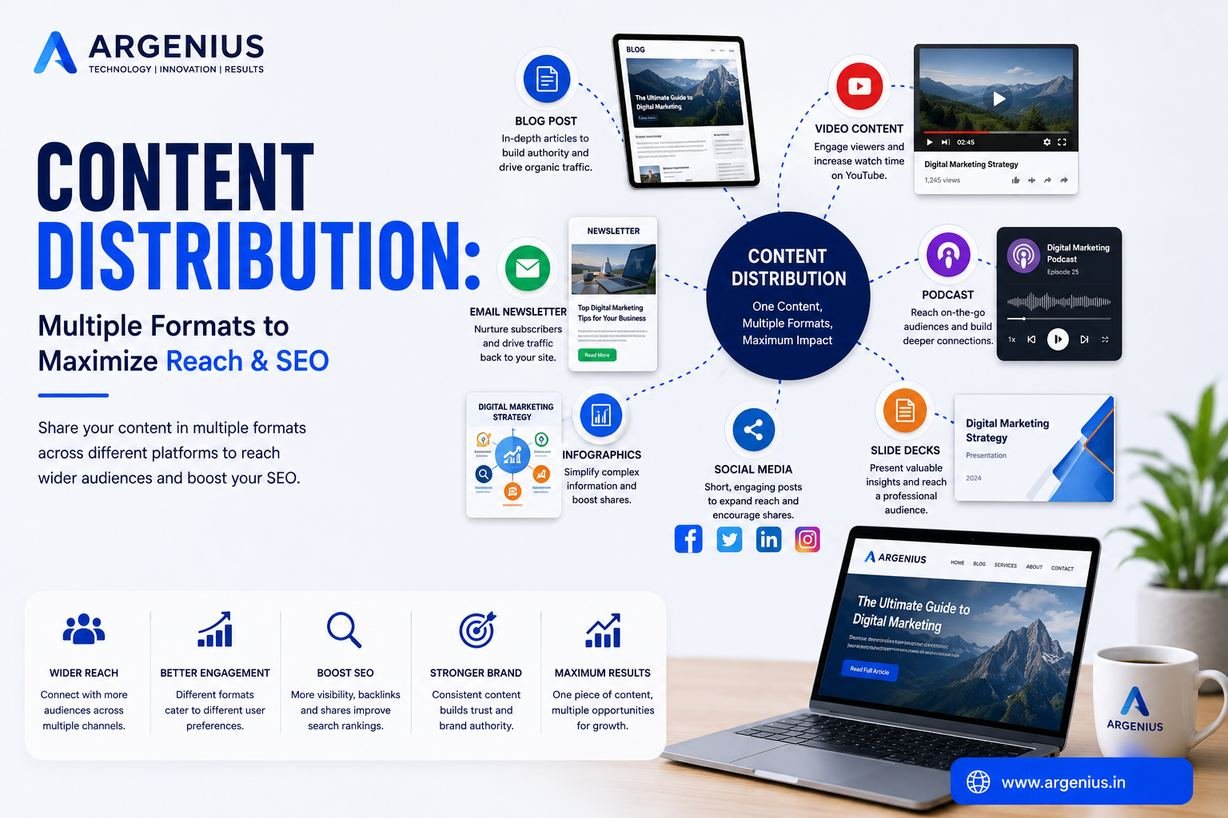
Content Promotion Strategy
After publishing your tutorial, promote it through multiple channels.
Ideas include:
- Share on LinkedIn
- Publish on Facebook
- Post on X (Twitter)
- Include in Email Newsletters
- Add to Resource Pages
- Share in Industry Communities
- Repurpose into Video Tutorials
- Create Infographics
- Mention in Webinars
- Include in Monthly Blog Roundups
Promotion increases visibility and helps your content reach a wider audience.
Measuring Success
Monitor these metrics to evaluate your guide's performance:
- Organic Traffic
- Keyword Rankings
- Click-Through Rate (CTR)
- Average Time on Page
- Bounce Rate
- Scroll Depth
- Backlinks
- Social Shares
- Lead Conversions
- Returning Visitors
Regular analysis helps identify opportunities for improvement.
Cost of Professional Tutorial Writing (₹ INR)
| Service |
Estimated Cost |
| SEO How-To Blog (1,500–2,000 Words) |
₹3,000 – ₹8,000 |
| Premium Tutorial (2,500–3,500 Words) |
₹6,000 – ₹18,000 |
| Technical How-To Guide |
₹8,000 – ₹25,000 |
| Illustrated Instructional Guide |
₹10,000 – ₹30,000 |
| Complete Content Strategy |
₹30,000 – ₹2,00,000+ |
Factors Affecting Cost
The overall cost depends on:
- Topic Complexity
- Research Requirements
- Technical Expertise
- Word Count
- SEO Optimization
- Graphic Design Needs
- Editing & Proofreading
- Content Strategy
High-quality instructional content provides long-term value by continuously attracting readers through search engines.
Best Practices
Follow these best practices when writing how-to guides:
- Start with a clear objective.
- Focus on one problem at a time.
- Write actionable instructions.
- Use numbered steps.
- Add visuals where helpful.
- Include screenshots for technical topics.
- Optimize for SEO naturally.
- Answer common user questions.
- Link to related resources.
- Update tutorials regularly as tools and processes change.
These habits improve readability, usability, and search performance.
Common Mistakes to Avoid
Avoid these mistakes:
- Skipping important steps
- Assuming users already know the basics
- Using confusing terminology
- Writing long paragraphs
- Ignoring SEO optimization
- Missing screenshots
- Weak conclusions
- No internal links
- Outdated instructions
- Never reviewing published guides
Keeping your content current and complete helps maintain rankings and reader trust.
Future Trends in How-To Content
Instructional content continues to evolve with changing technologies and user expectations.
Key trends include:
- AI-Assisted Content Creation
- Interactive Tutorials
- Video-Integrated Blog Posts
- Voice Search Optimization
- Personalized Learning Paths
- Visual Search Integration
- Entity-Based SEO
- AI Search Optimization
- Multimedia Learning Experiences
- Data-Driven Content Updates
Businesses that embrace these trends can improve user engagement and long-term organic growth.
Why Businesses Choose Argenius
At Argenius, we create educational content that not only ranks in search engines but also helps readers solve real-world problems.
Our services include:
- SEO Content Writing
- How-To Guide Development
- Keyword Research
- Technical SEO
- On-Page SEO
- Content Marketing
- Website Development
- WordPress Development
- Digital Marketing
- Performance Optimization
We combine detailed research, user-focused writing, and SEO best practices to create instructional content that builds trust and generates measurable business results.
Final Thoughts
How-to guides are among the most valuable forms of evergreen content because they educate readers while naturally matching informational search intent. A well-written tutorial doesn't just explain a process—it simplifies complex tasks, answers common questions, and provides practical solutions that readers can apply immediately. When combined with strong SEO, clear formatting, and useful visuals, these guides can become long-term traffic generators for your website.
To maximize results, regularly review and update your tutorials as technologies, tools, and industry practices evolve. Fresh, accurate content builds trust with readers and strengthens your authority in search results. At Argenius, we help businesses create comprehensive, SEO-optimized instructional content that improves visibility, attracts qualified visitors, and supports sustainable digital growth.
Frequently Asked Questions
What is a how-to guide?
A how-to guide is a step-by-step article that teaches readers how to complete a specific task or solve a particular problem using clear instructions and practical examples.
Why do how-to guides perform well in SEO?
They directly match informational search intent, answer user questions, increase engagement, and often qualify for featured snippets and AI-generated search summaries.
Should every tutorial include images?
Yes. Screenshots, diagrams, and illustrations make instructions easier to understand and improve the overall user experience.
How long should a how-to guide be?
The ideal length depends on the topic. Complex tutorials may require 2,000–3,500+ words, while simpler guides can be shorter as long as they fully address the user's needs.
How often should I update my tutorials?
Review important tutorials every few months or whenever significant changes occur in the tools, software, or processes discussed.
Does Argenius provide SEO tutorial writing services?
Yes. Argenius offers SEO content writing, instructional guide creation, keyword research, technical SEO, website development, and digital marketing services to help businesses publish educational content that attracts traffic and generates leads.