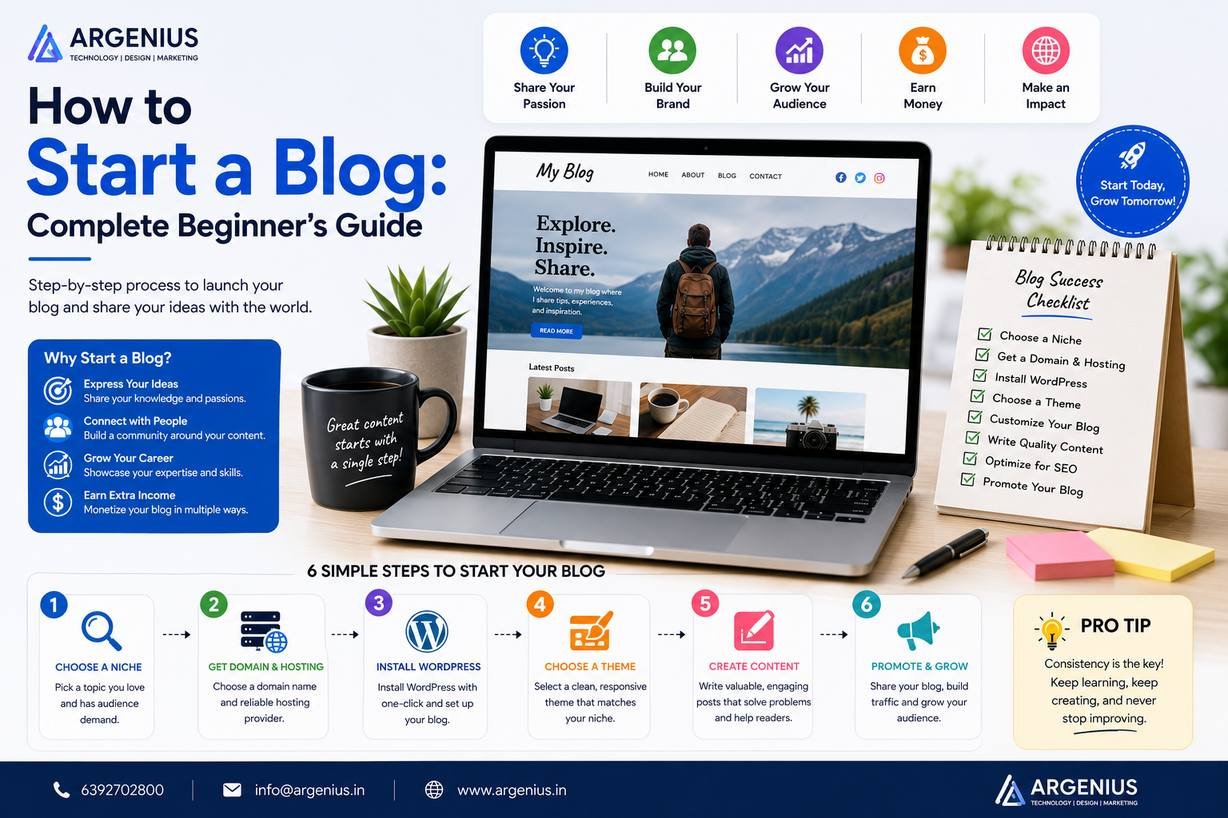
Learn how to start a blog from scratch with this complete beginner's guide. Discover how to choose the right niche, register a domain, set up WordPress, write SEO-friendly content, grow your audience, and turn your blog into a long-term business asset.
Introduction
Starting a blog is one of the smartest investments you can make for your personal brand, business, or online career. A blog allows you to share valuable knowledge, answer your audience's questions, improve your website's SEO, attract organic traffic, generate leads, and even create multiple income streams over time. Whether you're a student, entrepreneur, freelancer, business owner, or content creator, blogging can help you build authority in your industry while reaching thousands of potential readers every month.
Unlike social media posts that disappear within hours, blog articles continue generating traffic for months or even years when optimized correctly. Every high-quality article you publish becomes another opportunity for customers to discover your business through search engines like Google. A well-planned blog also supports content marketing, strengthens your brand reputation, improves customer trust, and increases conversions by educating readers before they make purchasing decisions.
Today, creating a professional blog is easier than ever. Modern content management systems like WordPress allow beginners to launch a feature-rich blogging website without writing code. However, building a successful blog requires more than installing WordPress and publishing random articles. You need a clear niche, a memorable domain name, reliable hosting, an SEO-friendly website structure, a consistent content strategy, and continuous optimization to achieve sustainable growth.
Many new bloggers fail because they choose topics without researching demand, ignore keyword research, publish inconsistent content, or overlook technical SEO. These mistakes often lead to low traffic and poor engagement. By following a structured blogging framework, you can avoid these common pitfalls and create a blog that consistently attracts readers, ranks higher in search results, and supports your long-term goals.
Whether you want to build a personal brand, promote your services, grow an ecommerce business, share educational content, or earn passive income through affiliate marketing and advertising, blogging remains one of the most effective digital marketing strategies available today.
In this comprehensive beginner's guide, you'll learn how to start a blog from scratch, choose the right niche, purchase a domain, set up WordPress, publish SEO-friendly content, grow your audience, and transform your blog into a valuable digital asset.
At Argenius, we help businesses and entrepreneurs build fast, SEO-optimized blogging websites that drive traffic, generate leads, and support long-term business growth.
What is a Blog?
A blog is a regularly updated website or a dedicated section of a website where individuals or businesses publish informative articles, tutorials, guides, news, case studies, and other valuable content for their audience.
Modern blogs are used for much more than sharing opinions. They have become powerful tools for digital marketing, education, lead generation, and brand building.
A blog can help you:
- Share Knowledge
- Build Industry Authority
- Improve Website SEO
- Increase Organic Traffic
- Generate Qualified Leads
- Educate Customers
- Promote Products & Services
- Build Community Trust
- Support Content Marketing
- Create Long-Term Passive Income
A successful blog becomes a valuable digital asset that continues attracting visitors long after an article is published.
Why Should You Start a Blog?
Blogging offers significant benefits for individuals and businesses alike.
Some of the biggest advantages include:
- Increase Organic Website Traffic
- Improve Search Engine Rankings
- Build Brand Authority
- Generate High-Quality Leads
- Establish Customer Trust
- Support Social Media Marketing
- Grow Your Email List
- Promote Products and Services
- Create Passive Income Opportunities
- Strengthen Your Online Presence
Unlike paid advertising, blog content continues delivering value without requiring continuous advertising spend.
How Blogging Works
A successful blogging process follows a structured workflow.
- Select a profitable niche.
- Register a domain name.
- Purchase reliable hosting.
- Install WordPress.
- Design your blog.
- Publish high-quality content.
- Optimize articles for SEO.
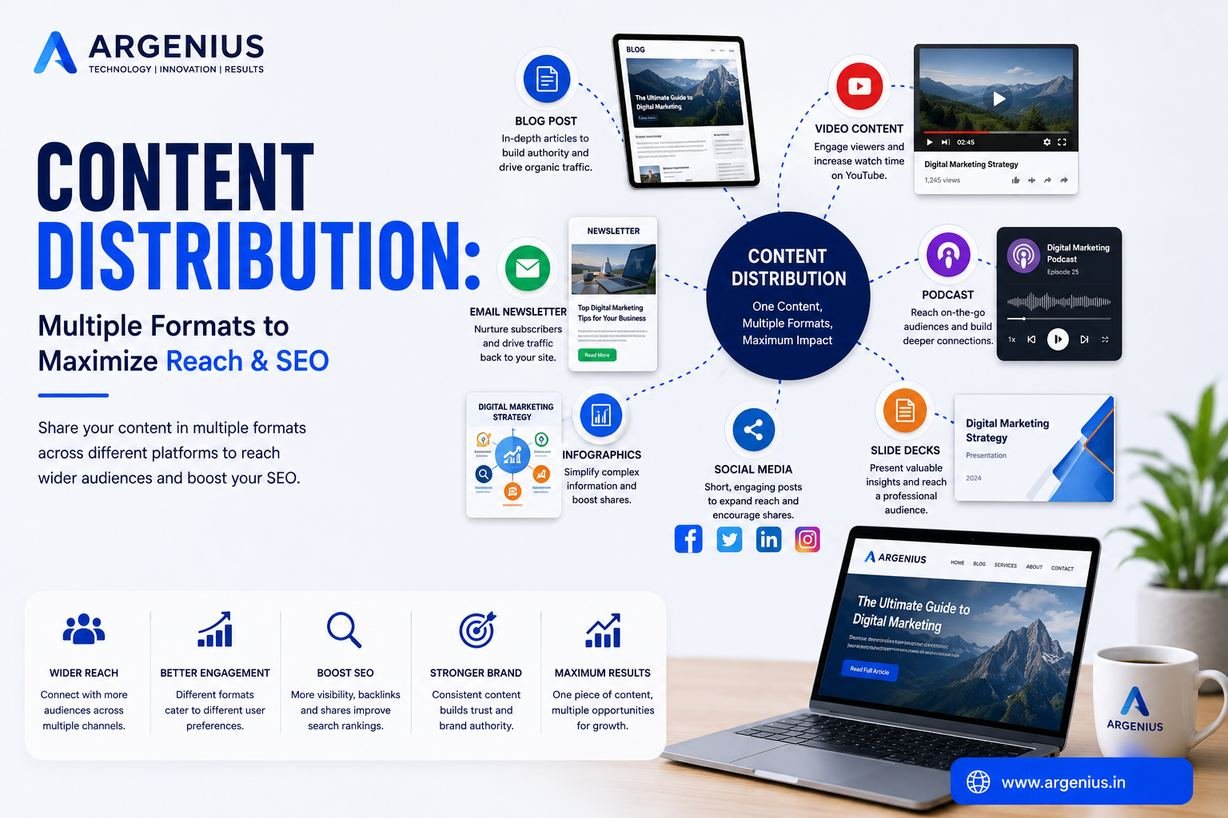
- Promote content across multiple channels.
- Monitor analytics.
- Improve content based on performance data.
Consistent publishing and continuous optimization are the keys to long-term blogging success.
Step 1: Choose the Right Blogging Niche
Choosing the right niche is the most important decision you'll make before launching your blog.
A profitable niche should:
- Match Your Interests
- Solve Real Problems
- Have Search Demand
- Offer Monetization Opportunities
- Allow Long-Term Content Creation
Popular blogging niches include:
- Technology
- Digital Marketing
- Business
- Finance
- Personal Development
- Health & Fitness
- Travel
- Food
- Education
- Real Estate
- Artificial Intelligence
- Mobile App Development
- Web Development
- Ecommerce
- Software Reviews
Choose a niche where you can consistently create valuable and original content.
Step 2: Choose a Domain Name
Your domain name represents your online brand.
A good domain name should be:
- Short
- Memorable
- Easy to Spell
- Brandable
- Relevant to Your Niche
- Easy to Pronounce
Avoid using:
- Hyphens
- Numbers
- Complicated Words
- Very Long Names
A professional domain name builds trust and improves brand recognition.
Step 3: Buy Reliable Web Hosting
Web hosting stores your website files and makes your blog accessible to visitors.
When selecting a hosting provider, look for:
- Fast SSD Storage
- Free SSL Certificate
- Daily Backups
- Excellent Uptime
- One-Click WordPress Installation
- Automatic Updates
- Strong Security Features
- 24/7 Customer Support
Reliable hosting improves website speed, user experience, and SEO performance.
Step 4: Install WordPress
WordPress powers a large percentage of websites worldwide because it is flexible, scalable, and beginner-friendly.
Benefits of WordPress include:
- Easy Content Management
- Thousands of Professional Themes
- Powerful SEO Plugins
- Mobile Responsive Design
- Customizable Features
- Large Developer Community
- Excellent Security Options
- Easy Website Scaling
Most hosting providers allow you to install WordPress in just a few clicks.
Step 5: Design Your Blog
A clean and professional design improves user experience and keeps visitors engaged.
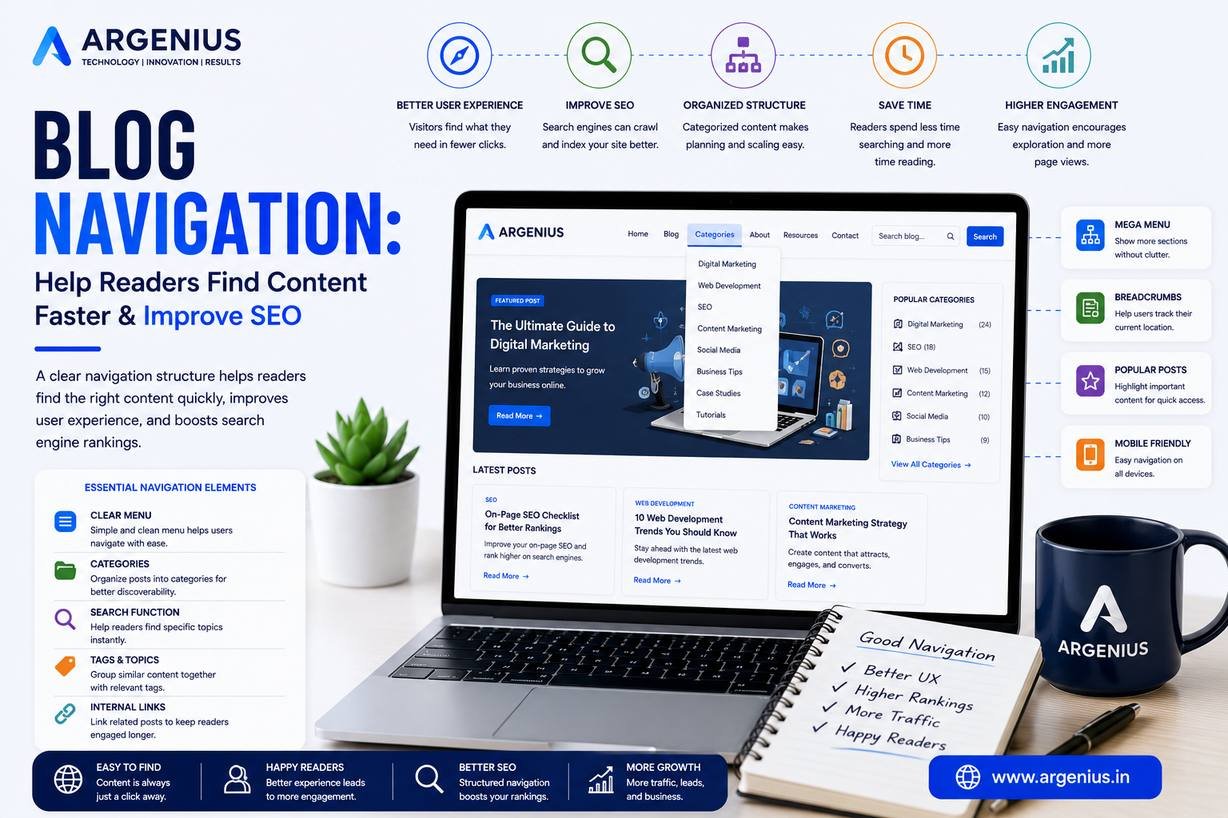
Your blog should include:
- Professional Homepage
- Simple Navigation Menu
- Blog Categories
- Search Functionality
- Mobile Responsive Layout
- Fast Loading Pages
- Readable Typography
- Clear Call-to-Action Buttons
- Contact Page
- About Page
A user-friendly design encourages readers to explore more content and spend more time on your website.
Step 6: Create Essential Website Pages
Before publishing your first article, create these important pages:
- Home
- About Us
- Contact Us
- Privacy Policy
- Terms & Conditions
- Disclaimer
- Blog
- Categories
- Sitemap (if applicable)
These pages improve trust, comply with legal requirements, and provide a better user experience.
Benefits of Blogging
A professionally managed blog provides numerous long-term advantages.
Key benefits include:
- Consistent Organic Traffic
- Better Search Rankings
- Increased Brand Awareness
- Higher Customer Trust
- More Business Leads
- Better Conversion Rates
- Stronger Online Authority
- Lower Marketing Costs
- Multiple Income Opportunities
- Sustainable Business Growth
With the right strategy, blogging becomes one of the highest-ROI digital marketing channels.
Common Beginner Blogging Mistakes
Avoid these common mistakes when starting your blog:
- Choosing an Overly Broad Niche
- Ignoring Keyword Research
- Publishing Low-Quality Content
- Inconsistent Posting Schedule
- Weak Headlines
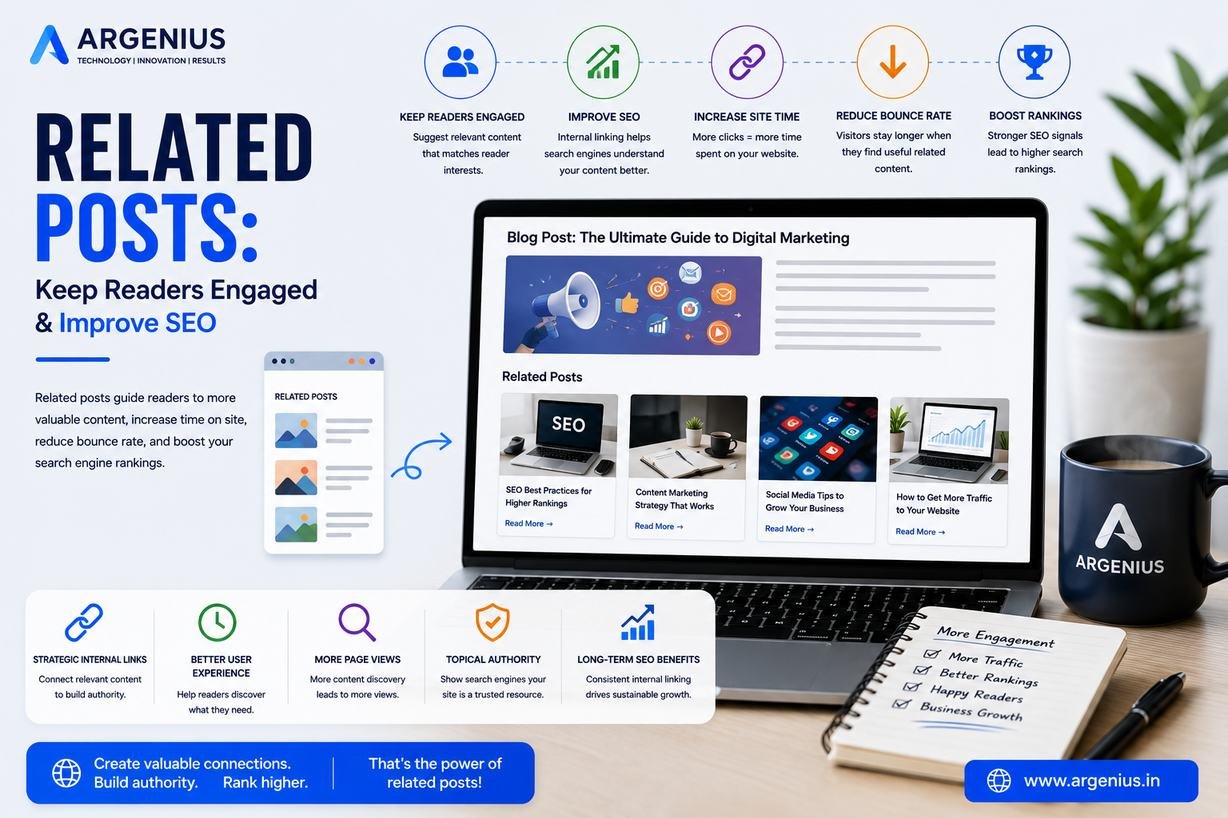
- Poor Internal Linking
- Slow Website Speed
- No Content Strategy
- Ignoring Analytics
- Giving Up Too Early
Avoiding these mistakes will help you build a stronger foundation for long-term success.
Step 7: Plan Your Blog Content Strategy
Creating a blog without a content strategy often leads to inconsistent publishing and slow growth. A well-planned strategy helps you consistently publish valuable content that attracts readers and ranks in search engines.
Your content strategy should include:
- Define Your Target Audience
- Identify Customer Problems
- Perform Keyword Research
- Group Topics into Categories
- Create Topic Clusters
- Publish Consistently
- Update Older Articles
- Track Content Performance
A structured content plan helps build topical authority and improves long-term SEO performance.
Step 8: Perform Keyword Research
Keyword research helps you understand what your audience is searching for online.
Look for keywords based on:
- Search Volume
- User Intent
- Competition
- Relevance
- Commercial Value
- Long-Tail Opportunities
Different keyword types include:
Informational Keywords
Examples:
- How to Start a Blog
- What is WordPress
- Blog SEO Tips
Commercial Keywords
Examples:
- Best Blogging Platform
- Best WordPress Hosting
- Blog Website Development
Transactional Keywords
Examples:
- Hire Blog Writer
- Buy WordPress Hosting
- Blog Development Company
Using a mix of keyword types helps attract visitors at every stage of the customer journey.
Step 9: Create an SEO-Friendly Blog Post
Every article should follow a clear structure for both readers and search engines.
A recommended structure includes:
- Engaging Introduction
- Clear Headings
- Actionable Information
- Images
- Examples
- FAQs
- Internal Links
- External References (when appropriate)
- Strong Conclusion
- Call-to-Action
This improves readability and helps search engines better understand your content.
Step 10: Optimize Every Blog for SEO
Publishing content alone isn't enough. Every article should be optimized for search engines.
Focus on:
- Focus Keyword
- SEO Title
- Meta Description
- URL Slug
- Heading Structure
- Internal Linking
- Image Optimization
- Alt Text
- Schema Markup
- Fast Loading Speed
These optimizations improve search visibility and organic traffic.
Step 11: Create a Content Calendar
A content calendar helps maintain consistency.
Example schedule:
- Monday – Educational Guide
- Wednesday – How-To Tutorial
- Friday – Industry Trends
- Saturday – Case Study
- Sunday – Listicle or FAQ
Publishing consistently signals freshness to search engines and keeps readers engaged.
Step 12: Promote Your Blog
Publishing is only the first step. Promotion is equally important.
Promote your articles through:
- Google Search
- LinkedIn
- Facebook
- Instagram
- X (Twitter)
- Pinterest
- Email Newsletter
- WhatsApp Communities
- Industry Forums
- Medium
The more visibility your content receives, the faster it can attract traffic and backlinks.
Step 13: Build High-Quality Backlinks
Backlinks remain one of the strongest ranking factors.
Ways to earn backlinks include:
- Guest Posting
- Digital PR
- Resource Pages
- Broken Link Building
- Industry Directories
- Expert Roundups
- Original Research
- Infographics
- Case Studies
- Linkable Assets
Quality backlinks improve your website's authority and search rankings.
Step 14: Monitor Blog Performance
Use analytics tools to measure success.
Track:
- Organic Traffic
- Keyword Rankings
- Click-Through Rate (CTR)
- Bounce Rate
- Average Engagement Time
- Conversion Rate
- Backlinks
- Indexed Pages
- Top Performing Articles
- Goal Completions
Regular analysis helps identify opportunities for improvement.
Blog Monetization Methods
Once your blog starts attracting visitors, you can generate revenue in several ways.
Popular monetization methods include:
- Affiliate Marketing
- Display Advertising
- Sponsored Content
- Selling Digital Products
- Online Courses
- Consulting Services
- Membership Programs
- Freelance Services
- Physical Products
- Lead Generation
Diversifying income streams creates a more sustainable blogging business.
Best Blogging Tools
Free Tools
- Google Search Console
- Google Analytics 4
- Google Trends
- Google Keyword Planner
- Google Docs
- Google Looker Studio
- Microsoft Clarity
Premium Tools
- Ahrefs
- Semrush
- Surfer SEO
- Grammarly
- Canva Pro
- Elementor Pro
- Rank Math Pro
- WP Rocket
- ShortPixel
- ChatGPT
These tools help with content creation, SEO, design, analytics, and website optimization.
Cost to Start a Blog (₹ INR)
| Service |
Estimated Cost |
| Domain Name |
₹800 – ₹2,000 / Year |
| Web Hosting |
₹3,000 – ₹12,000 / Year |
| Premium WordPress Theme |
₹3,000 – ₹8,000 |
| Essential Plugins |
₹2,000 – ₹10,000 / Year |
| Professional Blog Development |
₹25,000 – ₹1,50,000+ |
Factors Affecting Cost
The total investment depends on:
- Hosting Provider
- Website Features
- Premium Themes
- Plugin Requirements
- Content Creation
- SEO Optimization
- Custom Design
- Maintenance Services
Starting with a solid foundation reduces future development costs and improves long-term performance.
Best Practices
For long-term blogging success:
- Publish consistently.
- Write for your audience first.
- Focus on solving real problems.
- Perform keyword research before writing.
- Create comprehensive articles.
- Use internal linking.
- Optimize images.
- Keep your website fast.
- Update old content regularly.
- Monitor performance and improve continuously.
Following these practices helps build authority and sustainable organic traffic.
Common Mistakes to Avoid
Many beginners struggle because they make avoidable mistakes.
Common mistakes include:
- Choosing a niche only for money
- Ignoring search intent
- Publishing thin content
- Copying competitors
- Keyword stuffing
- Poor website navigation
- Slow loading pages
- Not collecting email subscribers
- Ignoring mobile optimization
- Expecting overnight success
Avoiding these mistakes will help your blog grow more steadily.
Future Trends in Blogging
Blogging continues to evolve with changing technology and user behavior.
Key trends include:
- AI-Assisted Content Creation
- Google AI Overviews
- Voice Search Optimization
- Topical Authority
- Video & Blog Integration
- Interactive Content
- Personal Branding
- Experience-Based Content
- First-Party Data Strategies
- Community-Driven Content
Blogs that combine valuable content with strong user experience and SEO will remain competitive.
Why Businesses Choose Argenius
At Argenius, we help businesses create professional blogging websites that attract visitors, generate leads, and improve search engine visibility.
Our blogging services include:
- Blog Website Development
- WordPress Development
- SEO Strategy
- Content Planning
- Technical SEO
- Website Speed Optimization
- Content Marketing
- UI/UX Design
- Performance Optimization
- Ongoing Website Maintenance
Our goal is to build blogs that not only look professional but also deliver measurable business results.
Final Thoughts
Starting a blog is one of the most effective ways to build your online presence, establish authority, and create long-term opportunities for growth. While launching a blog is easier than ever, achieving consistent success requires careful planning, high-quality content, a strong SEO strategy, and ongoing optimization.
The most successful blogs focus on solving real problems, publishing valuable content consistently, and improving the user experience over time. By choosing the right niche, performing keyword research, creating comprehensive articles, promoting your content, and monitoring performance, you can build a blog that attracts loyal readers and generates sustainable organic traffic.
Whether your goal is to grow your business, share your expertise, generate leads, or earn passive income, blogging remains one of the highest-return digital marketing strategies. Argenius helps businesses and entrepreneurs build SEO-friendly blogging platforms that support long-term visibility, authority, and business growth.
Frequently Asked Questions
How do I start a blog as a beginner?
Start by choosing a niche, registering a domain name, purchasing reliable hosting, installing WordPress, designing your website, and publishing valuable, SEO-friendly content consistently.
Which platform is best for blogging?
WordPress is widely regarded as the best blogging platform because it is flexible, SEO-friendly, scalable, and supported by thousands of themes and plugins.
How often should I publish blog posts?
For steady growth, aim to publish 1–3 high-quality blog posts each week while maintaining consistency and focusing on content quality over quantity.
Can I make money from blogging?
Yes. Many bloggers earn through affiliate marketing, display ads, sponsored posts, digital products, consulting services, online courses, and lead generation.
How long does it take for a blog to grow?
Growth depends on content quality, SEO, competition, and consistency. Many blogs begin seeing meaningful organic traffic within 6–12 months of publishing optimized content regularly.
Does Argenius build professional blogging websites?
Yes. Argenius provides blog website development, WordPress development, SEO optimization, content strategy, website maintenance, and performance optimization services to help businesses build successful, scalable blogs.