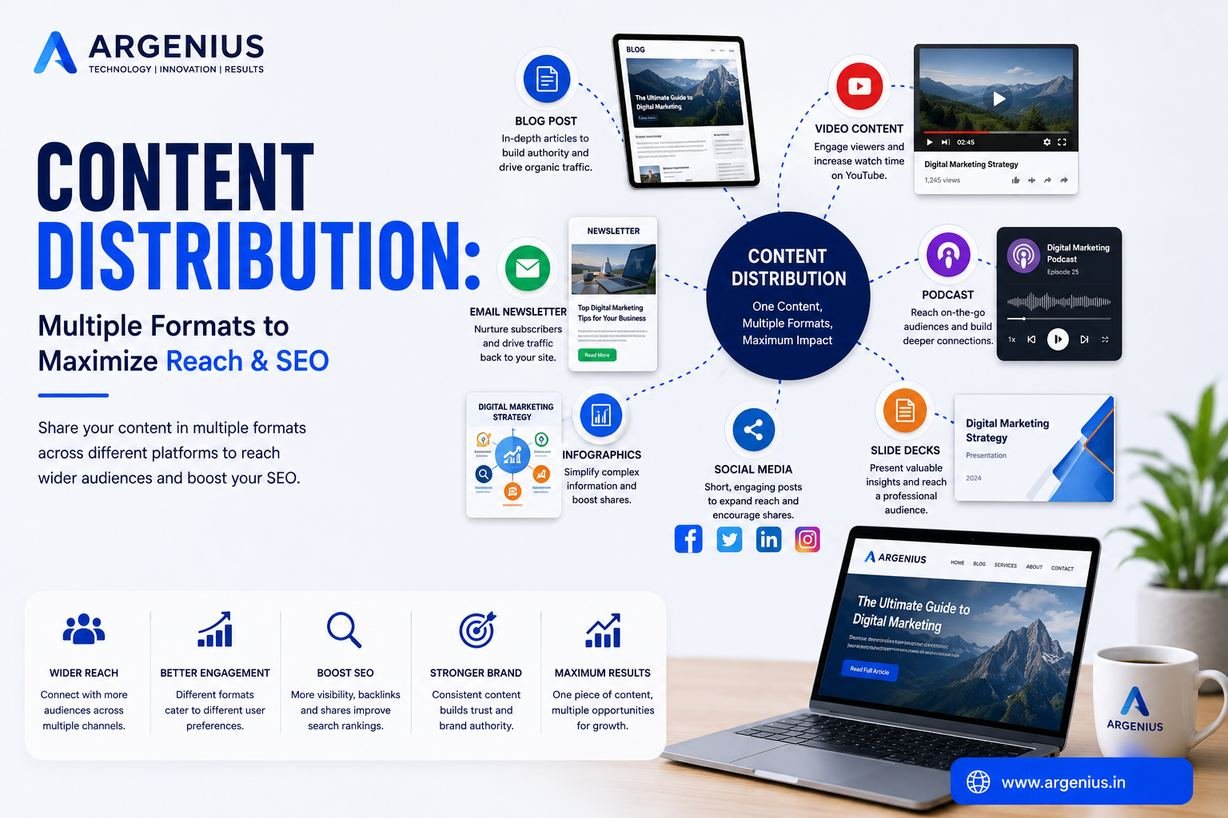
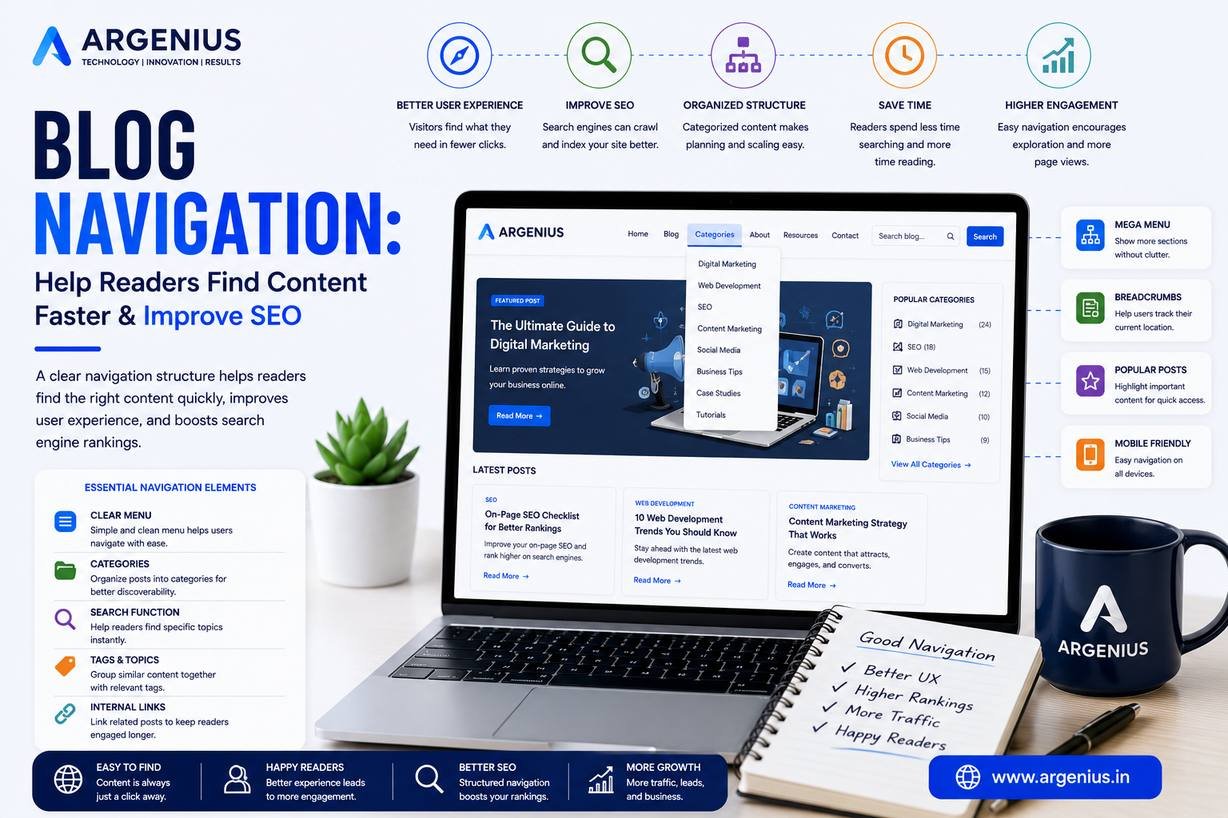
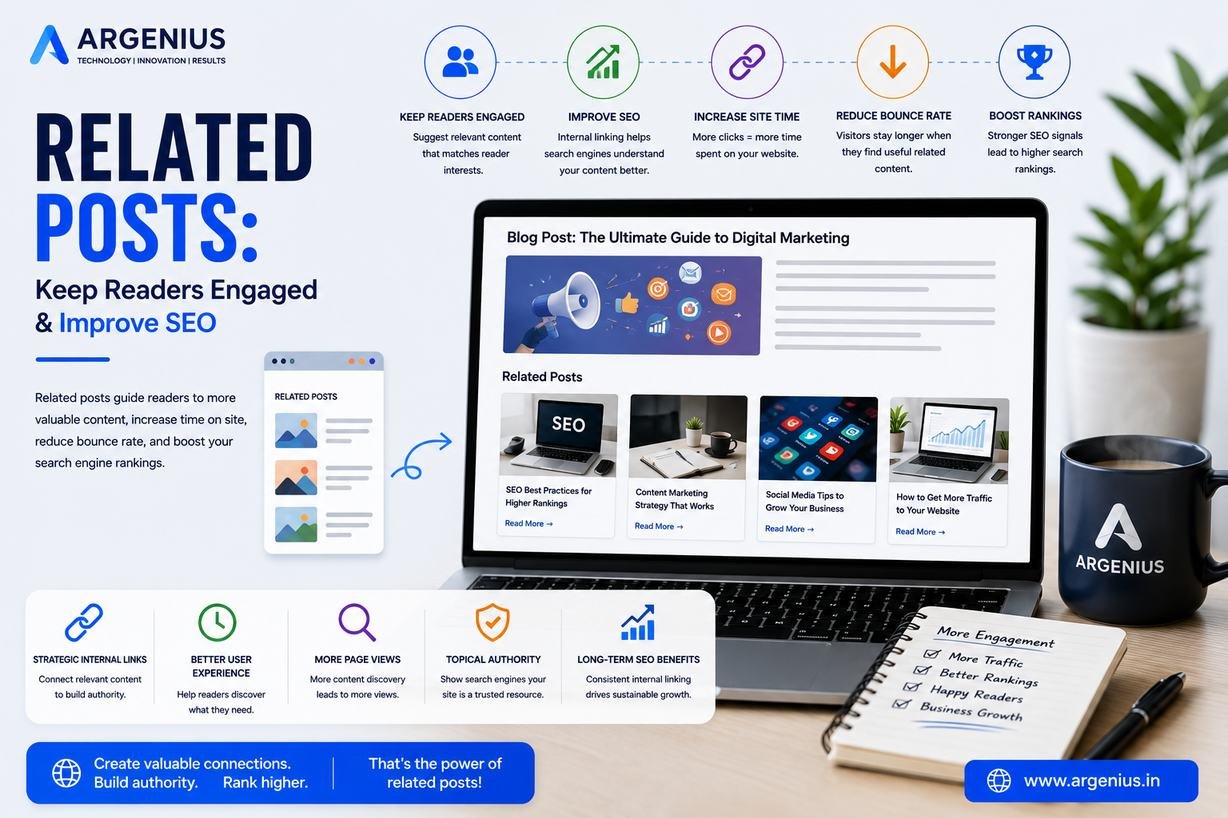
Learn how Keyword Clustering helps organize keywords by search intent, build topical authority, improve Google rankings, and create AI-friendly content that drives long-term organic traffic.
Introduction
Modern SEO is no longer about creating one page for every keyword. Search engines have become much smarter and now understand relationships between words, topics, and user intent. Instead of rewarding websites that repeatedly use the same keyword, Google prefers websites that comprehensively cover an entire topic.
This is where Keyword Clustering becomes one of the most valuable SEO strategies.
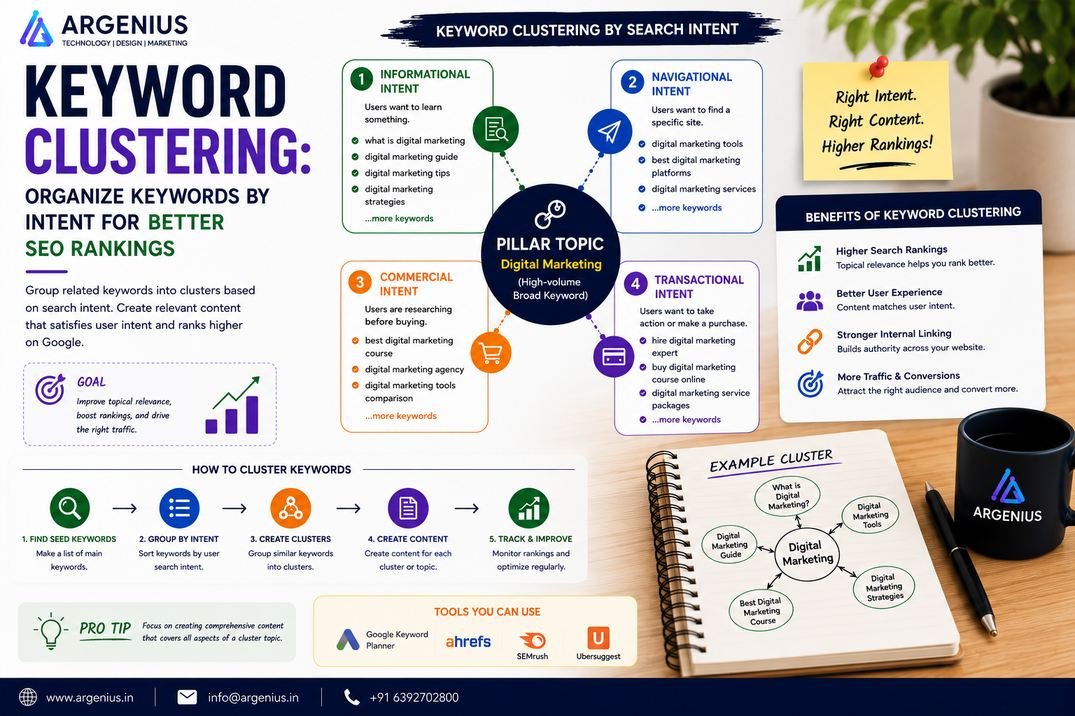
Keyword Clustering is the process of grouping closely related keywords based on their search intent and semantic relationship. Rather than targeting just one keyword, you optimize a single page for multiple related keywords that users search with the same intent.
For example, instead of creating separate articles for Keyword Research, SEO Keyword Research, Keyword Analysis, and How to Find Keywords, you can combine these related terms into one comprehensive guide. This approach improves topical authority, prevents keyword cannibalization, and helps your content rank for dozens or even hundreds of search queries.
Keyword Clustering has become even more important with the rise of Google AI Overviews, ChatGPT, Gemini, Perplexity, and other AI-powered search experiences. These platforms prefer content that thoroughly answers a topic rather than isolated pages targeting individual keywords.
Whether you're managing a business website, ecommerce store, SaaS platform, blog, or digital marketing agency, keyword clustering helps organize your content strategy, improve search visibility, and attract more qualified organic traffic.
In this guide, you'll learn what Keyword Clustering is, why it matters, how to create effective keyword clusters, and how to use them to build a scalable SEO strategy that supports long-term business growth.
At Argenius, we use keyword clustering to create topic-focused SEO strategies that improve rankings, increase topical authority, and generate sustainable organic leads.
What is Keyword Clustering?
Keyword Clustering is the process of grouping multiple related keywords that share the same search intent into a single content page.
Instead of targeting one keyword, you optimize a page for an entire group of relevant search terms.
For example:
Primary Keyword
Supporting Cluster Keywords
- SEO Keyword Research
- Keyword Analysis
- Keyword Planner
- Keyword Ideas
- Find SEO Keywords
- Keyword Strategy
- Best Keyword Research Tools
Since these keywords have similar intent, they can be covered in one comprehensive article.
Why is Keyword Clustering Important?
Keyword Clustering offers several SEO benefits.
It helps you:
- Improve Search Intent Matching
- Increase Organic Rankings
- Build Topical Authority
- Prevent Keyword Cannibalization
- Improve Internal Linking
- Cover Topics More Completely
- Rank for Multiple Keywords
- Enhance User Experience
- Increase Organic Traffic
- Improve AI Search Visibility
Rather than creating dozens of weak pages, keyword clustering allows you to build fewer but stronger pages.
How Keyword Clustering Works
Keyword clustering starts by identifying keywords that users search with the same intent.
Google analyzes:
- Search Intent
- Semantic Meaning
- Topic Relationships
- User Behavior
- Content Relevance
- Entity Connections
If multiple keywords produce similar search results, they usually belong in the same keyword cluster.
Types of Keyword Clusters
Informational Clusters
Users want to learn about a topic.
Examples:
- What is SEO?
- SEO Guide
- SEO Tutorial
- Learn SEO
- SEO Basics
Commercial Investigation Clusters
Users compare products or services.
Examples:
- Best CRM Software
- HubSpot vs Salesforce
- Best Ecommerce Platform
- Shopify Alternatives
Transactional Clusters
Users are ready to purchase.
Examples:
- Hire SEO Agency
- Buy CRM Software
- Website Development Company
- SEO Services Pricing
Navigational Clusters
Users want a specific brand or website.
Examples:
- Google Search Console
- Semrush Login
- WordPress Dashboard
- Ahrefs Pricing
Keyword Clustering vs Traditional Keyword Targeting
| Traditional SEO |
Keyword Clustering |
| One keyword per page |
Multiple related keywords per page |
| Many small articles |
Comprehensive topic guides |
| Higher cannibalization risk |
Reduced keyword overlap |
| Weak topical authority |
Strong topical authority |
| Limited rankings |
Multiple ranking opportunities |
Keyword clustering enables one page to rank for numerous related search queries.
Benefits of Keyword Clustering
Businesses that implement keyword clustering often experience:
- Better Google Rankings
- Higher Organic Traffic
- Increased Topical Authority
- Improved Content Organization
- Better User Experience
- Lower Bounce Rate
- Stronger Internal Linking
- Higher Click-Through Rate
- Better AI Search Visibility
- Improved ROI from SEO
How to Find Keyword Clusters
Useful sources include:
- Google Search
- Google Search Console
- Google Keyword Planner
- Google Trends
- Ahrefs
- Semrush
- SE Ranking
- AnswerThePublic
- Competitor Analysis
- Related Searches
- People Also Ask
- People Also Search For
These tools help identify keywords that belong together based on search intent.
How Search Intent Helps Build Clusters
Search intent is the foundation of effective keyword clustering.
Group keywords according to what users want to accomplish.
Examples:
Informational
- What is Local SEO?
- SEO Tutorial
- SEO Basics
Commercial
- Best SEO Company
- SEO Agency Reviews
- SEO Pricing Comparison
Transactional
- Hire SEO Experts
- SEO Services
- Buy SEO Package
Grouping keywords by intent creates content that satisfies user expectations and improves search performance.
Keyword Clustering and AI Search
AI-powered search engines evaluate content based on topical completeness rather than exact keyword repetition.
Keyword clustering helps you:
- Cover complete topics
- Improve semantic SEO
- Strengthen topical authority
- Answer multiple related questions
- Improve AI search visibility
This makes your content more valuable for Google AI Overviews, ChatGPT, Gemini, and Perplexity.
Businesses That Benefit from Keyword Clustering
Almost every industry can benefit, including:
- Software Companies
- SaaS Platforms
- Ecommerce Stores
- Healthcare
- Finance
- Education
- Travel
- Real Estate
- Legal Firms
- Digital Marketing Agencies
Any website publishing educational or commercial content can improve SEO with keyword clusters.
Step-by-Step Strategy for Keyword Clustering
Creating keyword clusters is not just about grouping similar keywords—it is about organizing content based on search intent, semantic relevance, and user needs. Follow these steps to build an effective Keyword Clustering strategy.
Step 1: Collect Primary Keywords
Start by identifying your main business keywords.
Examples:
- SEO Services
- Website Development
- Mobile App Development
- Digital Marketing
- Ecommerce Development
These will serve as your pillar topics.
Step 2: Find Related Keywords
Use keyword research tools to discover closely related search terms.
For example, if your primary keyword is:
Keyword Research
Related keywords may include:
- SEO Keyword Research
- Keyword Analysis
- Keyword Planner
- Keyword Difficulty
- Long-Tail Keywords
- Search Intent
- Competitor Keywords
- Keyword Strategy
Collect as many relevant keywords as possible before grouping them.
Step 3: Group Keywords by Search Intent
Organize keywords that satisfy the same user intent into one cluster.
Example:
Primary Topic
Keyword Research
Supporting Cluster
- Keyword Research Guide
- SEO Keyword Research
- Keyword Analysis
- Keyword Planner
- Find SEO Keywords
- Keyword Difficulty
- Keyword Strategy
Instead of creating multiple articles, publish one comprehensive guide.
Step 4: Create Pillar Pages
Develop detailed pillar content that covers the entire topic.
Your pillar page should include:
- Introduction
- Definitions
- Benefits
- Features
- Examples
- Best Practices
- FAQs
- Internal Links
- CTA
A well-structured pillar page becomes the central resource for the topic.
Step 5: Build Supporting Cluster Content
For larger topics, create supporting articles that explore specific subtopics in greater depth.
Example:
Pillar Page:
Keyword Research Guide
Supporting Articles:
- Long-Tail Keywords
- Search Intent Keywords
- Keyword Difficulty
- Competitor Keyword Analysis
- Question-Based Keywords
- Geographic Keywords
Connect every supporting article back to the main pillar page through internal links.
Step 6: Optimize Every Page
Ensure each page includes:
- Primary Keyword
- Related Cluster Keywords
- Optimized SEO Title
- Meta Description
- Proper Heading Structure
- Internal Links
- External References (when appropriate)
- FAQ Section
This improves semantic relevance and search engine understanding.
Step 7: Monitor and Expand
Track your keyword clusters regularly.
Monitor:
- Organic Traffic
- Keyword Rankings
- Search Console Performance
- CTR
- Bounce Rate
- Conversion Rate
- Internal Link Performance
Expand clusters as new search trends emerge.
Keyword Clustering Checklist
Before publishing your content, verify that it includes:
- ✅ One Primary Keyword
- ✅ Related Cluster Keywords
- ✅ Search Intent Alignment
- ✅ Comprehensive Content
- ✅ Optimized SEO Metadata
- ✅ Internal Links
- ✅ Topic Cluster Structure
- ✅ FAQ Section
- ✅ Mobile-Friendly Design
- ✅ Fast Loading Speed
- ✅ Clear Call-to-Action
A structured checklist helps improve consistency and long-term SEO performance.
Best Tools for Keyword Clustering
Free Tools
- Google Search
- Google Search Console
- Google Keyword Planner
- Google Trends
- Google Related Searches
- Google People Also Ask
Premium Tools
- Ahrefs
- Semrush
- SE Ranking
- Keyword Insights
- ClusterAI
- Moz Pro
These tools simplify keyword grouping, identify search intent, and uncover semantic relationships.
Keyword Clustering and AI Search
AI-powered search engines prioritize content that covers topics comprehensively rather than repeating exact keywords.
To improve visibility in Google AI Overviews, ChatGPT, Gemini, and Perplexity:
- Build topic clusters around user intent.
- Cover related subtopics naturally.
- Answer common questions within the same article.
- Use semantic keywords instead of repetitive keyword stuffing.
- Strengthen internal linking between related pages.
- Keep content updated with new information.
A well-organized keyword cluster improves topical authority and increases the likelihood of being referenced by AI-powered search platforms.
Cost of Keyword Clustering & SEO Strategy (₹ INR)
The cost of keyword clustering depends on the size of your website, the number of target keywords, and the level of SEO planning required.
| Service |
Estimated Cost |
| Keyword Clustering Research |
₹5,000 – ₹15,000 |
| Topic Cluster Planning |
₹10,000 – ₹25,000 |
| Content Architecture Strategy |
₹20,000 – ₹40,000 |
| Complete SEO Cluster Campaign |
₹35,000 – ₹80,000 |
| Enterprise SEO Planning |
Custom Pricing |
Factors Affecting Cost
Pricing depends on:
- Number of Target Keywords
- Industry Competition
- Website Size
- Content Requirements
- Competitor Analysis
- Technical SEO
- Internal Linking Strategy
- Ongoing Performance Monitoring
A well-planned keyword clustering strategy creates a scalable SEO foundation that delivers long-term organic growth.
Best Practices for Keyword Clustering
To maximize SEO performance:
- Group keywords by search intent, not just similarity.
- Create one comprehensive page for each cluster.
- Build strong pillar pages.
- Use semantic keywords naturally.
- Strengthen internal linking between related pages.
- Avoid duplicate content.
- Keep content updated regularly.
- Optimize for mobile users.
- Improve page speed.
- Monitor keyword performance continuously.
These practices help improve topical authority and increase search visibility.
Common Mistakes to Avoid
Avoid these common keyword clustering mistakes:
- Creating multiple pages targeting the same intent
- Ignoring search intent while grouping keywords
- Keyword stuffing
- Weak internal linking
- Publishing thin content
- Failing to update older cluster pages
- Mixing unrelated topics into one article
- Ignoring AI search optimization
- Not monitoring keyword performance
- Overlooking user experience
The goal is to create content that satisfies both search engines and users.
Future Trends in Keyword Clustering
Keyword clustering will continue to play an important role as search engines become more context-aware.
Emerging trends include:
- Google AI Overviews
- Generative Engine Optimization (GEO)
- Semantic SEO
- Entity-Based Search
- Topic Authority
- Conversational Search
- Voice Search Optimization
- Knowledge Graph Optimization
- Predictive Search
- AI-Driven Content Organization
Businesses that organize content around topics rather than isolated keywords will remain competitive in the evolving SEO landscape.
Why Businesses Choose Argenius
At Argenius, we build SEO strategies based on keyword clusters, search intent, and topical authority instead of outdated one-keyword-per-page approaches.
Our SEO Services include:
- Keyword Clustering
- Search Intent Analysis
- Topic Cluster Strategy
- Keyword Research
- Technical SEO
- On-Page SEO
- Internal Linking Strategy
- Content Planning
- SEO Audits
- Monthly Performance Reports
Our objective is to help businesses improve organic rankings, attract qualified traffic, and build a scalable SEO strategy that supports long-term growth.
Final Thoughts
Keyword Clustering is one of the most effective ways to build a modern SEO strategy. Instead of publishing multiple pages targeting similar keywords, organizing related terms into well-planned topic clusters helps improve search intent alignment, reduce keyword cannibalization, and strengthen topical authority.
By creating comprehensive pillar pages supported by related cluster content, businesses can rank for a wider range of search queries while delivering a better user experience. This approach also aligns with how AI-powered search engines evaluate content—favoring complete, context-rich resources over isolated keyword-focused pages.
As search continues to evolve, keyword clustering will remain a core component of successful SEO. Argenius helps businesses develop scalable topic clusters and content architectures that improve rankings, increase organic traffic, and generate sustainable business growth.
Frequently Asked Questions
What is Keyword Clustering?
Keyword Clustering is the process of grouping related keywords with the same search intent into a single content page or topic cluster to improve SEO performance.
Why is Keyword Clustering important for SEO?
It helps improve topical authority, reduce keyword cannibalization, enhance internal linking, and increase the chances of ranking for multiple related search queries.
How do I create Keyword Clusters?
Start by researching keywords, group them based on search intent and semantic relevance, create a comprehensive pillar page, and support it with related cluster content.
What is the difference between Keyword Clustering and Topic Clusters?
Keyword Clustering focuses on grouping related keywords, while Topic Clusters organize multiple pages around a central pillar topic using internal links.
Does Keyword Clustering help AI-powered search?
Yes. AI search engines prefer content that comprehensively covers related topics and demonstrates topical authority, making keyword clustering highly effective.
Does Argenius offer Keyword Clustering services?
Yes. Argenius provides Keyword Clustering, Search Intent Analysis, Topic Cluster Planning, Technical SEO, Content Strategy, and Complete SEO Campaign Management to help businesses achieve long-term organic growth.