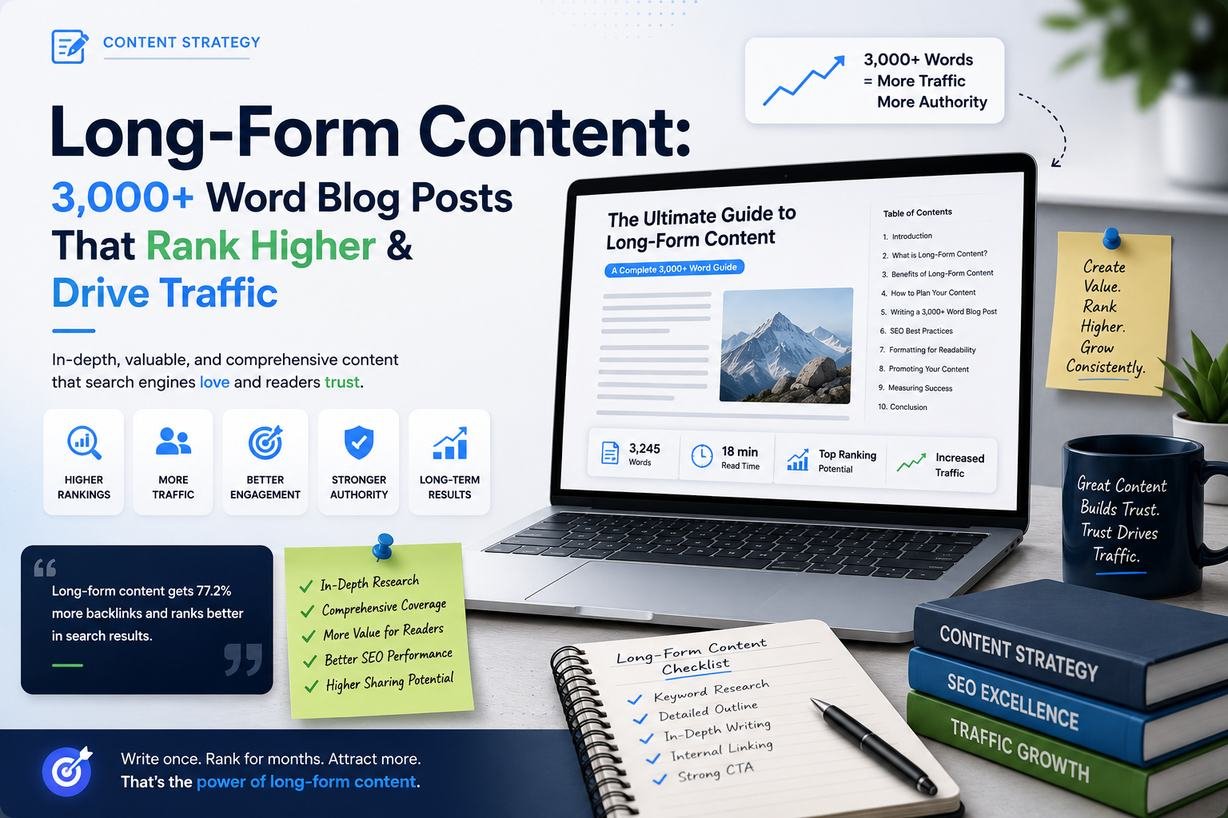
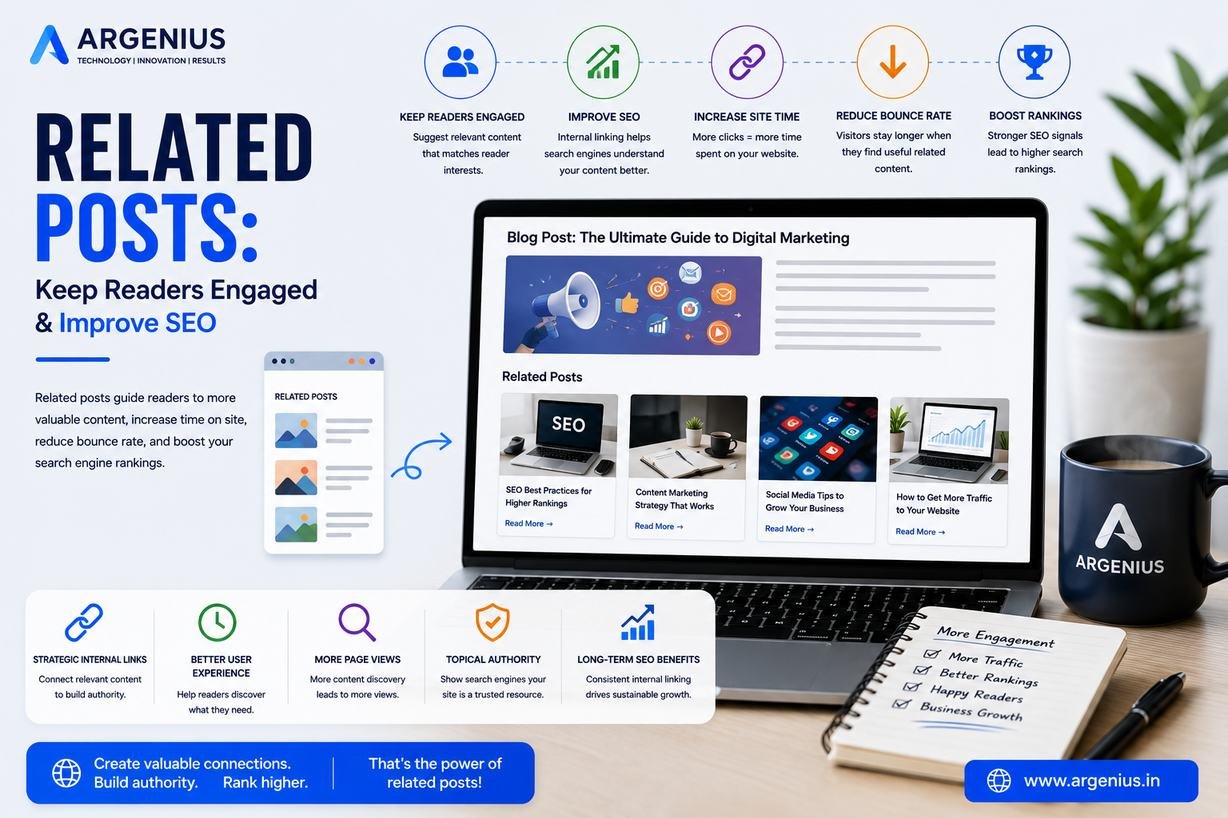
Discover why long-form content continues to outperform short articles in SEO. Learn how to structure, write, optimize, and promote 3,000+ word blog posts that attract readers, improve rankings, and generate consistent business results.
Introduction
In today's competitive digital landscape, publishing short articles is often not enough to achieve strong search rankings. Search engines increasingly favor long-form content that provides complete, accurate, and valuable information. Instead of answering only part of a user's question, comprehensive articles cover a topic from multiple perspectives, making them more useful for readers and more authoritative in search results.
A 3,000+ word blog post gives you the opportunity to explore a subject in depth, naturally include relevant keywords, answer frequently asked questions, and build topical authority. These articles also encourage visitors to spend more time on your website, explore related pages through internal links, and share your content with others. All of these factors contribute to stronger SEO performance over time.
Long-form content is not simply about increasing the word count. The real goal is to create well-structured, informative, and engaging articles that fully satisfy user intent. Every section should add value, solve a problem, or answer a question. When combined with proper keyword research, semantic SEO, and clear formatting, long-form articles can become some of the highest-performing assets on your website.
Businesses that invest in comprehensive content often see long-term benefits such as increased organic traffic, better keyword rankings, stronger brand authority, and improved lead generation. Rather than creating dozens of short posts, a few high-quality, evergreen articles can continue attracting visitors for years.
In this complete guide, you'll learn why long-form content matters, how to structure a 3,000+ word blog post, SEO best practices, common mistakes to avoid, and strategies for creating content that consistently ranks.
At Argenius, we help businesses create in-depth SEO content strategies that improve visibility, establish authority, and generate sustainable business growth.
What is Long-Form Content?
Long-form content refers to comprehensive articles that explore a topic in significant detail. While there is no fixed definition, these articles generally contain 3,000 words or more and are designed to provide complete coverage of a subject.
Unlike shorter blog posts, long-form content includes:
- Detailed Explanations
- Step-by-Step Guides
- Real Examples
- Best Practices
- Common Mistakes
- FAQs
- Comparisons
- Case Studies
- Practical Tips
- Actionable Recommendations
The objective is to become the most helpful resource on a specific topic.
Why Long-Form Content Matters
Long-form content provides several SEO and business advantages.
Benefits include:
- Better Search Rankings
- Increased Organic Traffic
- Higher User Engagement
- More Internal Linking Opportunities
- Improved Topical Authority
- Better Keyword Coverage
- Increased Backlink Potential
- Higher Conversion Rates
- Longer Time on Page
- Sustainable Organic Growth
Publishing comprehensive content helps establish your website as a trusted source of information.
Long-Form Content vs Short-Form Content
| Long-Form Content |
Short-Form Content |
| Covers topics in depth |
Covers basic information |
| Targets multiple related keywords |
Targets limited keywords |
| Higher topical authority |
Lower topical authority |
| More internal linking opportunities |
Limited linking opportunities |
| Better for evergreen SEO |
Better for quick updates |
| Longer reading time |
Faster to consume |
| Higher backlink potential |
Lower backlink potential |
| Greater lead generation opportunities |
Limited conversion potential |
Both formats have value, but long-form content is often better suited for competitive SEO topics.
When Should You Write a 3,000+ Word Blog?
Long-form articles are ideal when:
- Explaining complex topics
- Creating ultimate guides
- Targeting competitive keywords
- Building topical authority
- Educating customers
- Supporting pillar pages
- Answering multiple related questions
- Improving organic visibility
Not every topic requires 3,000 words. The goal is to provide complete and valuable information without adding unnecessary content.
Characteristics of High-Quality Long-Form Content
Effective long-form articles share several key qualities:
- Well-Organized Structure
- Clear Heading Hierarchy
- Comprehensive Topic Coverage
- Easy-to-Read Formatting
- Strategic Keyword Placement
- Practical Examples
- Internal Linking
- Accurate Information
- Actionable Advice
- Strong Conclusion
Quality should always take priority over word count.
Planning a Long-Form Blog Post
Before writing, create a detailed outline that organizes your ideas logically.
Your outline should include:
- Introduction
- Topic Overview
- Key Concepts
- Step-by-Step Sections
- Best Practices
- Common Mistakes
- FAQs
- Conclusion
- Internal Links
- Call-to-Action
Planning first makes writing faster and ensures better content flow.
Benefits for Businesses
Long-form content helps businesses:
- Build Brand Authority
- Generate Qualified Leads
- Improve Customer Education
- Increase Organic Sales
- Strengthen SEO Performance
- Support Marketing Campaigns
- Improve Customer Trust
- Reduce Customer Questions
- Increase Website Engagement
- Deliver Long-Term ROI
It becomes a valuable asset that continues driving results long after publication.
Common Myths About Long-Form Content
Many misconceptions prevent businesses from investing in detailed content.
Some common myths include:
- Longer always means better.
- Readers never finish long articles.
- Word count alone improves rankings.
- Long content is difficult to maintain.
- Every topic needs 3,000 words.
In reality, success depends on content quality, relevance, and user satisfaction—not just article length.
How to Structure a 3,000+ Word Blog Post
A long article should never feel overwhelming. Breaking the content into logical sections improves readability, helps search engines understand your topic, and keeps readers engaged from beginning to end.
A recommended structure includes:
- Introduction
- Topic Overview
- Benefits
- Step-by-Step Guide
- Best Practices
- Common Mistakes
- Case Studies or Examples
- FAQs
- Conclusion
- Call-to-Action
This structure ensures every section has a clear purpose while creating a smooth reading experience.
Creating an Effective Content Outline
Before writing, prepare a detailed outline.
Your outline should identify:
- Primary Keyword
- Secondary Keywords
- Search Intent
- Target Audience
- Main Sections
- Supporting Topics
- Internal Links
- Images Required
- FAQs
- CTA
A strong outline reduces editing time and helps maintain consistency throughout the article.
SEO Optimization for Long-Form Content
Publishing a long article is only the first step. It must also be properly optimized for search engines.
Optimize the following:
- SEO Title
- Meta Description
- URL Slug
- Heading Structure
- Primary Keyword Placement
- Semantic Keywords
- Image Alt Text
- Internal Linking
- External References (where appropriate)
- Readable Formatting
Proper optimization helps search engines understand the article while improving user experience.
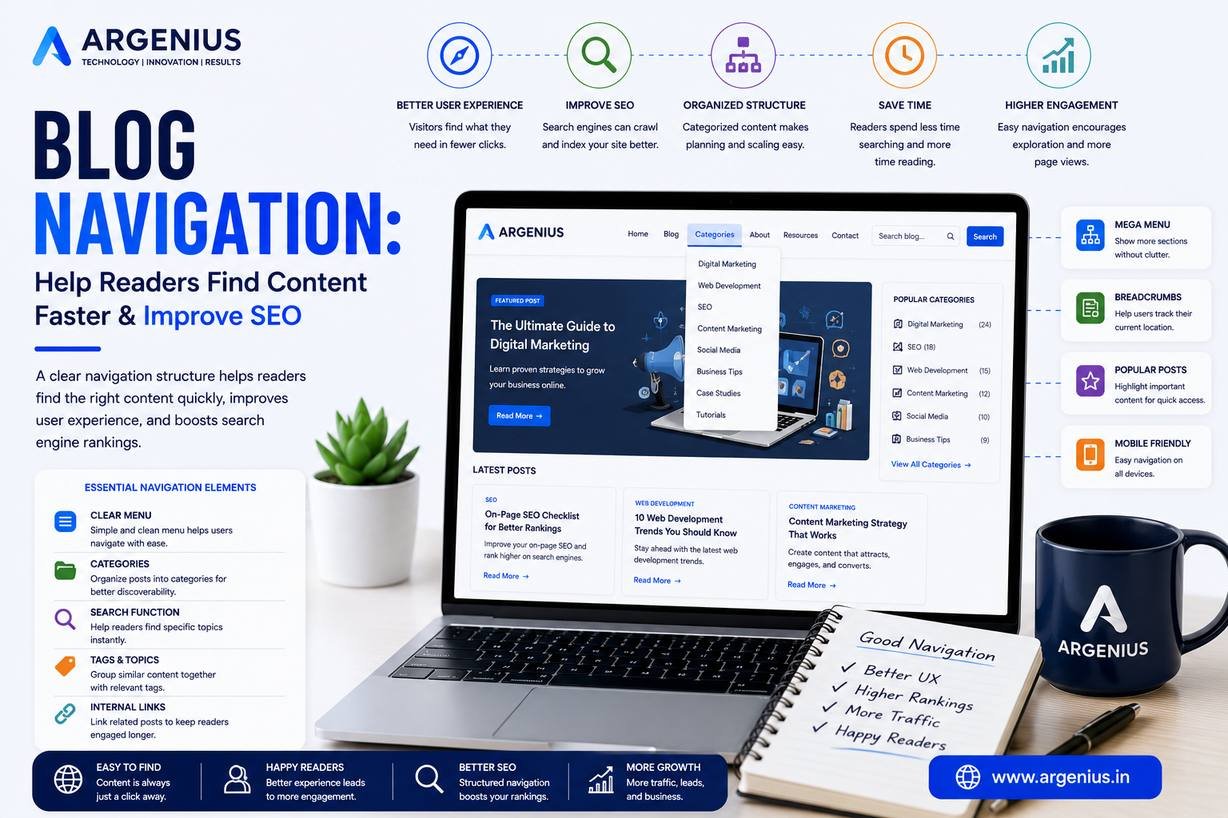
Internal Linking Strategy
Long-form articles naturally provide more opportunities for internal linking.
Link to:
- Related Blog Posts
- Service Pages
- Category Pages
- Pillar Pages
- Resource Guides
- FAQs
Benefits include:
- Better Website Navigation
- Increased Time on Site
- Improved Crawlability
- Stronger Topical Authority
- Better SEO Performance
Internal linking creates a connected content ecosystem that benefits both users and search engines.
Using Images and Visual Elements
Visual content makes long articles easier to consume.
Include:
- Infographics
- Process Diagrams
- Charts
- Tables
- Screenshots
- Icons
- Comparison Graphics
Each image should include descriptive alt text to improve accessibility and SEO.
AI Search Optimization
AI-powered search engines prefer content that is complete, structured, and easy to understand.
To optimize your article:
- Answer questions directly.
- Use descriptive headings.
- Break information into short sections.
- Include bullet points where useful.
- Add practical examples.
- Cover related subtopics.
- Write in a conversational tone.
- Include a comprehensive FAQ section.
Well-organized long-form content is more likely to appear in AI-generated search results.
Content Promotion Strategy
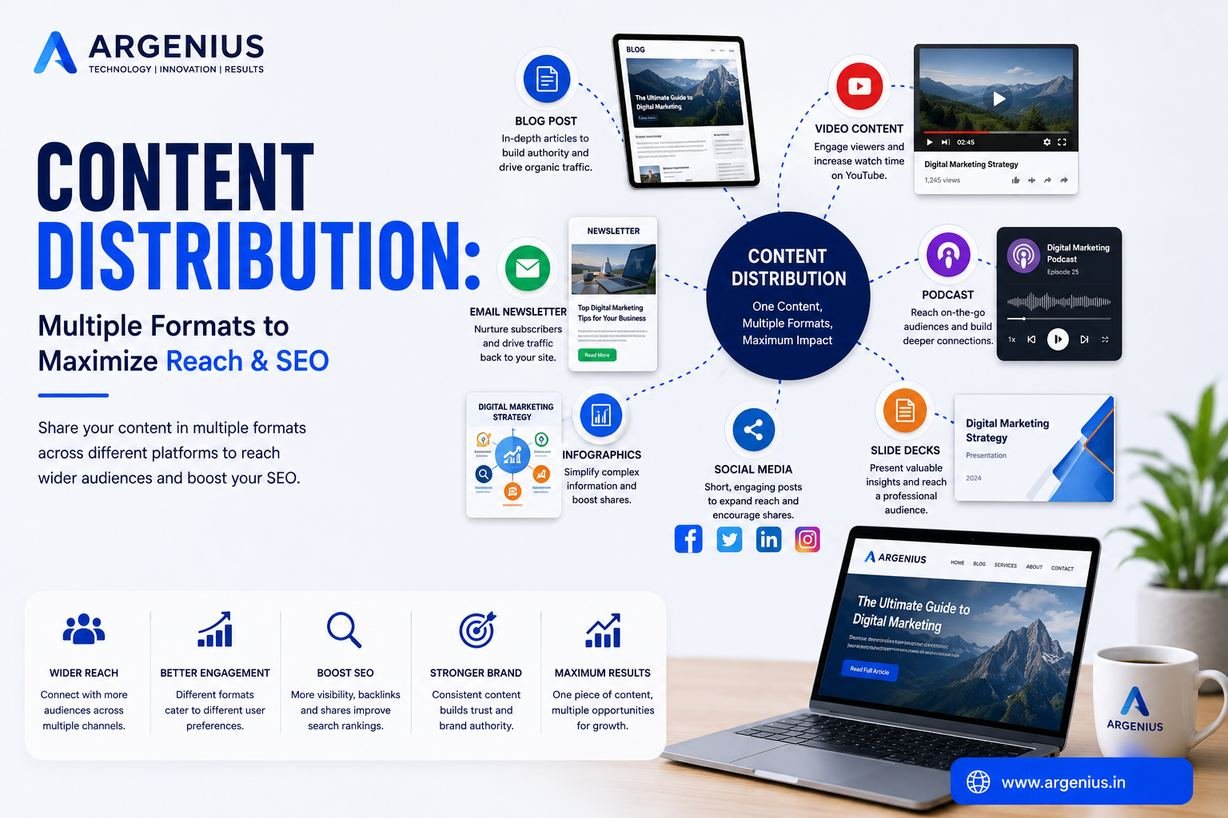
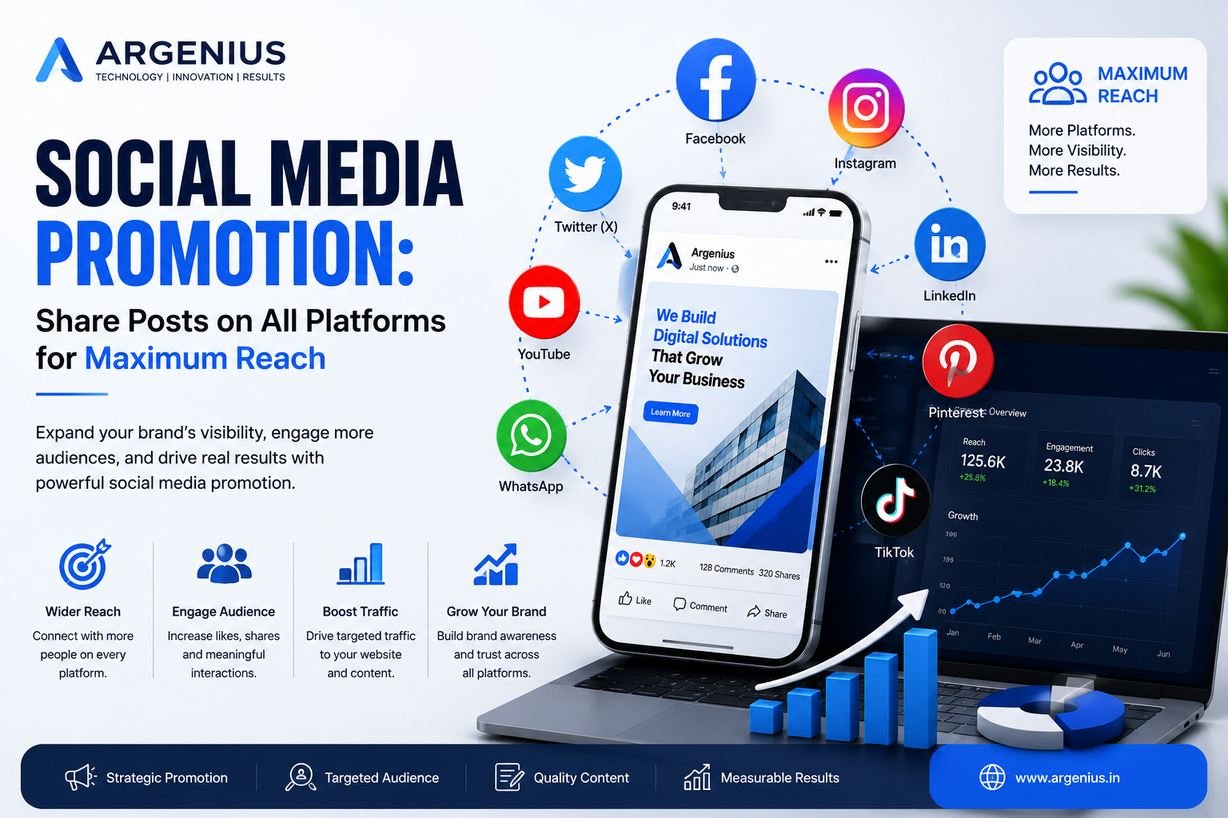
Publishing an article is only part of the process. Promote it across multiple channels to maximize visibility.
Promotion ideas include:
- Share on LinkedIn
- Post on Facebook
- Publish on X (Twitter)
- Send through Email Newsletters
- Add to Your Homepage
- Share in Industry Communities
- Repurpose into Videos
- Create Infographics
- Mention in Webinars
- Include in Monthly Roundups
A promotion strategy extends the reach and lifespan of your content.
Measuring Performance
Track the performance of every long-form article using key SEO metrics.
Monitor:
- Organic Traffic
- Keyword Rankings
- Click-Through Rate (CTR)
- Bounce Rate
- Average Time on Page
- Scroll Depth
- Backlinks
- Lead Conversions
- Page Views
- Returning Visitors
Review these metrics regularly to identify opportunities for improvement.
Cost of Professional Long-Form Content (₹ INR)
| Service |
Estimated Cost |
| SEO Blog (2,000–3,000 Words) |
₹5,000 – ₹12,000 |
| Premium Long-Form Blog (3,000–5,000 Words) |
₹10,000 – ₹25,000 |
| Technical Long-Form Content |
₹12,000 – ₹35,000 |
| Industry Research Guide |
₹15,000 – ₹40,000 |
| Complete SEO Content Strategy |
₹30,000 – ₹2,00,000+ |
Factors Affecting Cost
Professional content pricing depends on:
- Industry Complexity
- Research Depth
- Word Count
- Technical Expertise
- SEO Optimization
- Graphic Requirements
- Editing & Proofreading
- Content Strategy
High-quality long-form content often delivers strong long-term ROI because it continues attracting traffic and leads for years.
Best Practices
Follow these best practices to create successful long-form content:
- Research the topic thoroughly before writing.
- Focus on user intent rather than word count.
- Create a detailed outline.
- Use clear heading structures.
- Include relevant keywords naturally.
- Add images and visual aids.
- Link to related content internally.
- Keep paragraphs short and easy to read.
- Update evergreen articles regularly.
- End with a clear call-to-action.
These practices improve both reader satisfaction and SEO performance.
Common Mistakes to Avoid
Avoid these common mistakes:
- Adding unnecessary filler content
- Writing without an outline
- Ignoring search intent
- Weak introductions
- Poor heading hierarchy
- Keyword stuffing
- No internal links
- Outdated information
- Lack of visual elements
- Never updating published content
Avoiding these issues helps maintain content quality and search visibility.
Future Trends in Long-Form Content
Content marketing continues to evolve as user expectations and search technology change.
Emerging trends include:
- AI-Assisted Content Research
- Entity-Based SEO
- Topic Cluster Strategies
- Interactive Content
- Personalized Reading Experiences
- Voice Search Optimization
- Visual Search Integration
- AI Search Optimization
- Data-Driven Content Updates
- Multimedia-Rich Articles
Businesses that embrace these trends will be better positioned for long-term organic growth.
Why Businesses Choose Argenius
At Argenius, we create comprehensive SEO content designed to educate readers, improve rankings, and support business growth.
Our services include:
- Long-Form SEO Content Writing
- Keyword Research
- SEO Content Strategy
- Technical SEO
- On-Page SEO
- Content Marketing
- Website Development
- WordPress Development
- Digital Marketing
- Performance Optimization
Our approach combines in-depth research, strategic SEO, and engaging writing to create evergreen content that delivers lasting value.
Final Thoughts
Long-form content remains one of the most effective ways to build topical authority, improve search rankings, and attract qualified organic traffic. Instead of focusing solely on article length, prioritize creating comprehensive, well-structured, and genuinely helpful content that fully answers your audience's questions. When readers find everything they need in one place, they are more likely to stay on your website, share your content, and return for future resources.
Remember that successful long-form articles require continuous improvement. Monitor performance, refresh outdated information, strengthen internal links, and expand your content as industry trends evolve. At Argenius, we help businesses create high-quality long-form SEO content that increases visibility, builds trust, and generates measurable long-term business results.
Frequently Asked Questions
What is long-form content?
Long-form content refers to detailed articles, typically 3,000 words or more, that provide comprehensive information on a specific topic while addressing user intent and SEO best practices.
Is long-form content better for SEO?
Long-form content often performs well because it allows for deeper topic coverage, natural keyword integration, stronger internal linking, and increased topical authority. However, quality and relevance are more important than word count alone.
How long should a blog post be?
The ideal length depends on the topic and search intent. Complex topics may require 3,000+ words, while simpler topics can be covered effectively with fewer words.
How often should I publish long-form content?
Consistency matters more than frequency. Many businesses achieve excellent results by publishing one or two high-quality long-form articles each month alongside shorter supporting content.
Can long-form content improve conversions?
Yes. Comprehensive articles build trust, educate readers, answer objections, and naturally guide visitors toward your products or services, leading to better conversion opportunities.
Does Argenius provide long-form SEO content writing?
Yes. Argenius offers long-form SEO content writing, keyword research, content strategy, technical SEO, website development, and digital marketing services to help businesses improve search visibility, attract qualified traffic, and generate sustainable growth.