Off-Page SEO is one of the most powerful ranking factors in modern SEO. In this complete guide, you'll learn how to build high-quality backlinks, improve website authority, increase Domain Authority, and implement proven link building strategies that help your website rank higher on Google and generate long-term organic traffic.
Introduction
Ranking on Google's first page is no longer just about publishing great content or optimizing your website's On-Page SEO. Even the most informative articles can struggle to rank if search engines don't trust your website. That's where Off-Page SEO becomes essential.
Think of your website as a business trying to build a reputation. If respected websites, industry blogs, news portals, and trusted publications mention or link to your content, Google sees those references as signals that your website is valuable and trustworthy. These signals help search engines decide whether your content deserves a higher position in search results.
Many beginners assume that Off-Page SEO is only about getting backlinks. While backlinks remain one of the strongest ranking factors, modern SEO has evolved. Today, Google also considers website authority, brand mentions, digital PR, online reputation, topical authority, and the overall quality of websites linking to you.
Another common misconception is that more backlinks always lead to better rankings. In reality, one relevant backlink from a trusted industry website can be more valuable than hundreds of low-quality links. Google's algorithms are designed to reward natural, relevant, and authoritative link profiles while penalizing manipulative link-building practices.
Whether you're running a business website, ecommerce store, SaaS platform, personal blog, or local business, building a strong Off-Page SEO strategy can significantly improve your Google rankings, increase organic traffic, strengthen your online reputation, and generate more qualified leads.
In this guide, you'll learn everything you need to know about Off-Page SEO, including backlinks, Domain Authority, website authority, link building strategies, digital PR, brand mentions, and ethical techniques that help websites achieve sustainable growth without risking Google penalties.
At Argenius, we help businesses build long-term search authority through ethical White Hat SEO strategies, high-quality link building, and data-driven digital marketing solutions that deliver measurable business growth.
What is Off-Page SEO?
Off-Page SEO refers to all optimization activities performed outside your website that help improve its authority, trustworthiness, reputation, and search engine rankings.
Unlike On-Page SEO, which focuses on optimizing elements within your website—such as content, headings, meta tags, and internal links—Off-Page SEO focuses on how the rest of the internet perceives your website.
The primary goal of Off-Page SEO is to demonstrate to search engines that your website is credible, authoritative, and worth recommending to users.
When authoritative websites link to your pages, mention your brand, or reference your content, they send positive trust signals that can improve your rankings in search results.
Off-Page SEO helps businesses:
- Build Website Authority
- Earn High-Quality Backlinks
- Improve Google Rankings
- Increase Organic Traffic
- Generate Referral Visitors
- Strengthen Brand Trust
- Improve Online Reputation
- Support Long-Term SEO Growth
Why is Off-Page SEO Important?
Although content quality and technical optimization are essential, search engines also evaluate whether other trusted websites consider your content valuable.
A strong Off-Page SEO strategy provides several long-term benefits:
- Improves Search Engine Rankings
- Increases Domain Authority
- Builds Brand Credibility
- Generates Referral Traffic
- Enhances Online Reputation
- Improves Website Trust
- Helps Content Rank Faster
- Supports Competitive Keywords
- Increases Business Visibility
- Generates More Qualified Leads
Google's objective is to recommend websites that users can trust. Off-Page SEO helps establish that trust across the web.
Types of Off-Page SEO
Modern Off-Page SEO includes much more than backlinks. A complete strategy combines multiple authority-building techniques that work together to strengthen your website's reputation.
1. Link Building
Building high-quality backlinks from authoritative and relevant websites remains one of the strongest ranking signals.
2. Digital PR
Publishing newsworthy stories, case studies, and industry insights helps attract natural media coverage and authoritative backlinks.
3. Brand Mentions
Even when another website mentions your brand without linking to it, search engines can use those mentions as trust signals.
4. Guest Posting
Publishing valuable content on reputable industry websites allows you to reach new audiences while earning relevant backlinks.
5. Local Citations
For local businesses, consistent business listings across trusted directories improve local SEO and online credibility.
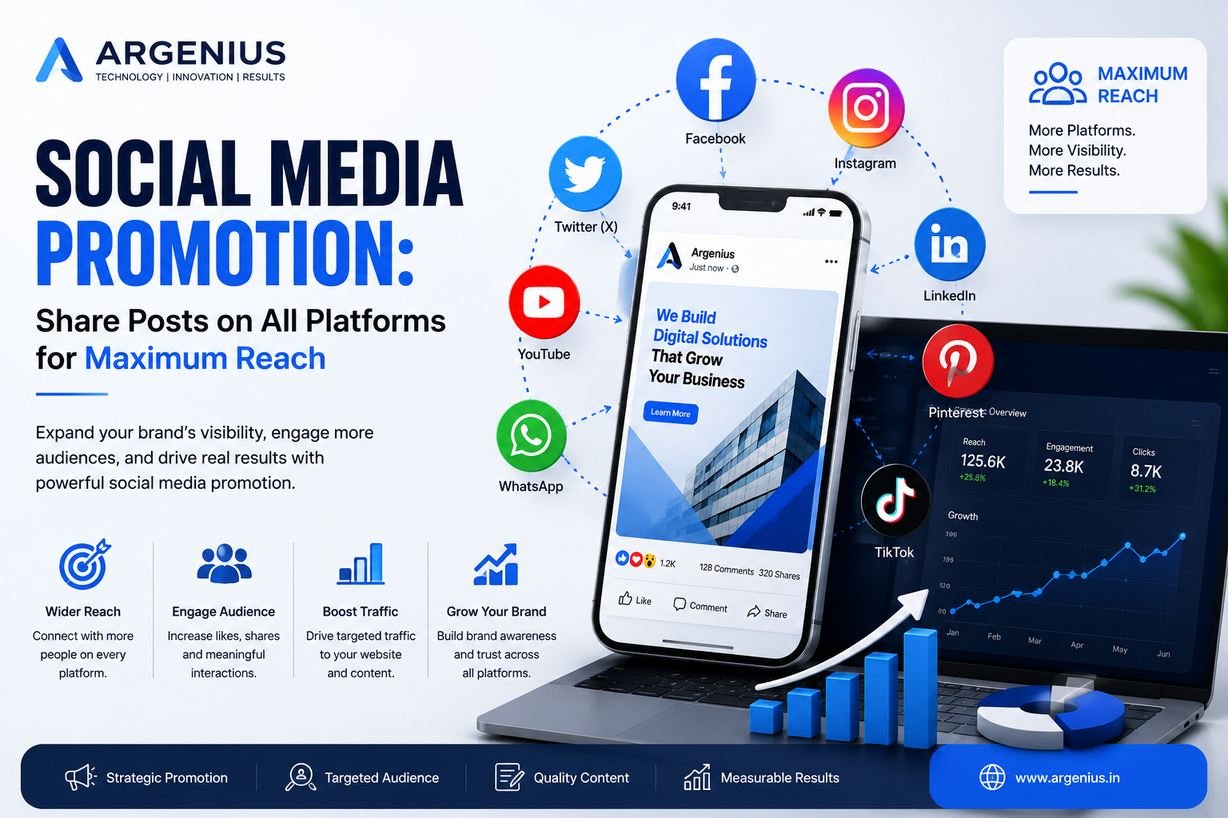
6. Social Media Promotion
Although social signals are not direct ranking factors, they help amplify content, attract visitors, and increase the likelihood of earning natural backlinks.
Understanding Backlinks
A backlink is a hyperlink from another website that points to your website.
Search engines treat backlinks as recommendations. When a trusted website links to your content, it indicates that your information is useful, relevant, and credible.
However, not all backlinks are created equal. A few high-quality, relevant backlinks often provide more SEO value than hundreds of low-quality or spammy links.
Good backlinks typically come from websites that are:
- Relevant to your industry
- Trusted by search engines
- Frequently updated
- Rich in high-quality content
- Visited by real users
Types of Backlinks
Editorial Backlinks
These are earned naturally when other websites reference your content because it provides genuine value.
Editorial backlinks are considered one of the strongest forms of link building.
Guest Post Backlinks
Publishing informative articles on reputable industry blogs can help you earn relevant backlinks while building your authority.
Business Profile Backlinks
Creating profiles on trusted business directories can strengthen your online presence and improve local visibility.
Resource Page Backlinks
Many websites maintain resource pages that link to useful tools, guides, and educational content.
Digital PR Backlinks
News coverage, interviews, research reports, and expert commentary often generate highly authoritative backlinks.
What Makes a High-Quality Backlink?
Not every backlink improves SEO. Google values quality over quantity.
A high-quality backlink should be:
- Relevant to your niche
- From an authoritative website
- Naturally earned
- Placed within useful content
- Surrounded by relevant context
- From a trusted domain
- Able to drive real referral traffic
Low-quality backlinks from spam websites can negatively affect your SEO performance.
Understanding Domain Authority (DA)
One of the most discussed metrics in SEO is Domain Authority (DA). It is a score developed by SEO tools to estimate how strong a website's backlink profile is and how competitive it may be in search results.
Although Google has confirmed that it does not use Domain Authority as a direct ranking factor, DA is still a useful benchmark for comparing websites, evaluating backlink opportunities, and measuring overall authority growth.
A higher Domain Authority generally indicates that a website has earned quality backlinks from trusted and relevant sources over time.
Factors That Influence Domain Authority
Several elements contribute to improving your website's authority:
- High-Quality Backlinks
- Number of Referring Domains
- Link Relevance
- Website Trustworthiness
- Content Quality
- Website Age
- Internal Linking Structure
- Consistent Content Publishing
- Brand Mentions
- Technical SEO Health
Instead of chasing a higher DA score, focus on building a trustworthy website with valuable content and ethical link-building practices.
Domain Authority vs Page Authority
| Feature |
Domain Authority (DA) |
Page Authority (PA) |
| Measures |
Entire Website |
Individual Web Page |
| Focus |
Overall Domain Strength |
Single Page Ranking Potential |
| Influenced By |
Overall Backlink Profile |
Page-Specific Backlinks |
| Best For |
Website Growth |
Content Ranking |
| SEO Importance |
High |
High |
Both metrics are useful, but improving the overall quality of your website naturally strengthens both over time.
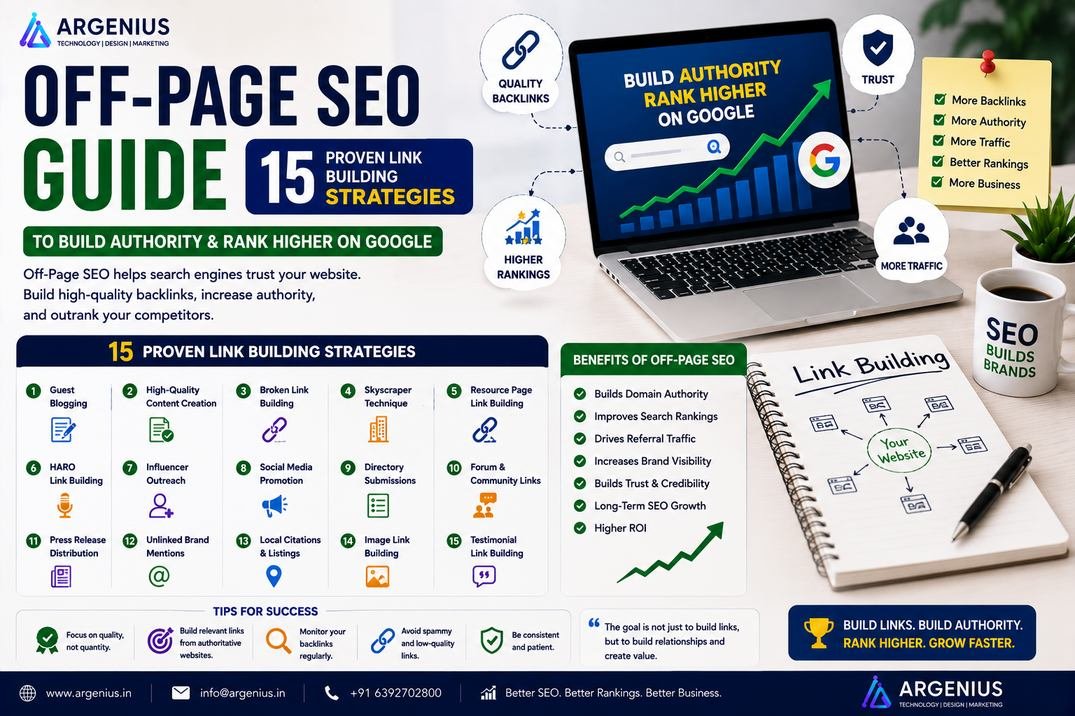
15 Proven Link Building Strategies That Actually Work
Building backlinks is no longer about quantity. The safest and most effective strategy is earning links that are relevant, natural, and valuable.
1. Create Link-Worthy Content
Publish detailed guides, research reports, statistics, case studies, infographics, and original insights that other websites genuinely want to reference.
2. Guest Posting on Authoritative Websites
Write valuable articles for trusted industry blogs to earn relevant backlinks while expanding your brand visibility.
3. Digital PR Campaigns
Create newsworthy content such as surveys, reports, company milestones, or industry insights that journalists and publishers can reference.
4. Broken Link Building
Find broken links on relevant websites and suggest your content as a replacement.
This provides value to website owners while earning quality backlinks.
5. Resource Page Outreach
Many websites maintain resource pages containing useful tools and educational content.
Reach out and suggest your high-quality guide if it genuinely adds value.
6. Competitor Backlink Analysis
Study where your competitors earn backlinks and identify opportunities to secure links from similar trusted sources.
7. Publish Original Research
Unique statistics, market reports, and surveys naturally attract backlinks because other websites often cite original data.
8. Build Free Tools
SEO tools, calculators, generators, and templates attract natural backlinks over time.
9. Expert Roundups
Collaborate with industry experts by featuring their opinions in your content. Many contributors share and link to the article.
10. Podcast Appearances
Being interviewed on industry podcasts increases brand awareness while generating valuable backlinks.
11. HARO & Journalist Outreach
Respond to journalists looking for expert opinions. High-quality publications often provide backlinks in return.
12. Local Business Directories
Submit accurate business information to trusted local directories to improve authority and local SEO.
13. Strategic Partnerships
Collaborate with complementary businesses to create valuable content and mutually beneficial backlink opportunities.
14. Skyscraper Technique
Identify popular content in your industry, create something significantly better, and promote it to websites linking to the original resource.
15. Consistent Content Marketing
Publishing high-quality content consistently increases your chances of earning natural backlinks over time.
Digital PR Strategy
Modern Digital PR combines traditional public relations with SEO.
A successful strategy includes:
- Publishing Industry Reports
- Conducting Surveys
- Launching Case Studies
- Sharing Company Milestones
- Building Relationships with Journalists
- Expert Commentary
- Podcast Interviews
- Thought Leadership Articles
- Webinar Promotion
- Press Releases (only when genuinely newsworthy)
Digital PR helps build authority while attracting editorial backlinks from trusted publications.
Brand Mentions & Online Reputation
Search engines increasingly recognize strong brands.
Build your online reputation through:
- Positive Customer Reviews
- Industry Mentions
- Social Media Engagement
- Community Participation
- Podcasts
- Speaking Events
- Trusted Business Listings
- Customer Success Stories
Even unlinked brand mentions contribute to your overall online presence and credibility.
Competitor Backlink Analysis
Studying competitors is one of the fastest ways to discover link-building opportunities.
Analyze:
- Referring Domains
- High-Authority Backlinks
- Guest Posting Websites
- Resource Pages
- Broken Link Opportunities
- Anchor Text Distribution
- Top Performing Content
- Industry Publications
This allows you to build a smarter and more targeted outreach strategy.
Backlink Audit Process
Regular backlink audits help maintain a healthy link profile.
A complete audit includes:
- Export Backlinks
- Review Referring Domains
- Identify Spam Links
- Check Anchor Text Diversity
- Remove Toxic Links
- Recover Lost Backlinks
- Monitor New Links
- Track Competitor Growth
- Evaluate Link Quality
- Repeat Every Month
How to Identify Toxic Backlinks
Not every backlink benefits your website.
Common signs of toxic backlinks include:
- Spam Websites
- Irrelevant Niches
- Link Farms
- Automated Directory Links
- Paid Spam Networks
- Malware Websites
- Excessive Exact-Match Anchor Text
- Hidden Links
- Adult or Gambling Websites (if unrelated)
- Low-Quality Foreign Websites
If harmful links cannot be removed, consider using Google's Disavow Tool carefully and only when there is a clear need.
Complete Off-Page SEO Checklist
Before scaling your SEO campaign, verify that you have:
- ✅ High-Quality Backlinks
- ✅ Relevant Referring Domains
- ✅ Natural Anchor Text
- ✅ Strong Internal Linking
- ✅ Brand Mentions
- ✅ Digital PR Strategy
- ✅ Guest Posting Campaign
- ✅ Local Citations
- ✅ Positive Online Reviews
- ✅ Monthly Backlink Audit
- ✅ Competitor Analysis
- ✅ Consistent Content Marketing
- ✅ Authority Building Strategy
Cost of Off-Page SEO (₹ INR)
The cost of Off-Page SEO depends on industry competition, campaign size, and outreach efforts.
| Service |
Estimated Cost |
| Basic Off-Page SEO |
₹12,000 – ₹30,000 / Month |
| Business Website SEO |
₹30,000 – ₹75,000 / Month |
| Ecommerce SEO Campaign |
₹60,000 – ₹2,00,000+ / Month |
| Enterprise Link Building |
Custom Pricing |
Factors Affecting SEO Cost
Pricing depends on:
- Industry Competition
- Number of Target Keywords
- Content Production
- Digital PR Campaigns
- Outreach Requirements
- Website Authority
- Geographic Targeting
- Reporting & Maintenance
Off-Page SEO Best Practices
For long-term success, always follow ethical SEO practices:
- Focus on Quality Over Quantity
- Build Natural Backlinks
- Publish Valuable Content
- Earn Editorial Links
- Diversify Anchor Text
- Build Topical Authority
- Monitor Your Backlink Profile
- Remove Harmful Links
- Build Real Industry Relationships
- Stay Consistent
Common Off-Page SEO Mistakes
Avoid these mistakes:
- Buying Backlinks
- Participating in Link Farms
- Keyword-Stuffed Anchor Text
- Ignoring Link Quality
- Building Thousands of Links Quickly
- Using Spam Directories
- Neglecting Brand Building
- Forgetting Backlink Audits
- Copying Competitor Strategies Blindly
- Expecting Instant Results
Sustainable Off-Page SEO is a long-term investment, not a shortcut.
Future Trends in Off-Page SEO
Search engines are becoming better at evaluating trust and authority beyond traditional backlinks.
Emerging trends include:
- AI-Powered Search
- Google AI Overviews
- Entity-Based SEO
- Digital Brand Authority
- Topical Authority
- Author Reputation
- Generative Engine Optimization (GEO)
- Digital PR Expansion
- Brand Search Growth
- Experience-Based Content
Businesses that invest in authority and trust today will be better positioned for future algorithm updates.
Why Businesses Choose Argenius
At Argenius, we believe that successful Off-Page SEO is built on trust—not shortcuts.
Our comprehensive Off-Page SEO Services include:
- High-Quality Link Building
- Digital PR Campaigns
- Competitor Backlink Analysis
- Guest Posting
- Brand Mentions
- Authority Building
- Monthly Backlink Audits
- White Hat SEO Strategies
- SEO Performance Reporting
- Long-Term Organic Growth Planning
Instead of chasing low-quality backlinks, we focus on building genuine authority that helps businesses achieve sustainable rankings, higher organic traffic, and long-term lead generation.
Final Thoughts
Off-Page SEO is one of the strongest indicators of trust in modern search engine optimization. While On-Page SEO helps search engines understand your content, Off-Page SEO helps them decide whether your website deserves to rank above competitors.
By focusing on high-quality backlinks, website authority, digital PR, brand mentions, and ethical White Hat SEO practices, you create a sustainable foundation for long-term organic growth.
Remember, the goal isn't simply to collect backlinks—it's to earn trust from authoritative websites within your industry. Businesses that consistently publish valuable content, build genuine relationships, and maintain a healthy backlink profile are far more likely to achieve stable rankings and long-term success.
If you're looking to strengthen your website's authority and improve organic visibility, Argenius can help you develop a customized Off-Page SEO strategy that delivers measurable results.
Frequently Asked Questions
What is Off-Page SEO?
Off-Page SEO refers to optimization activities performed outside your website—such as link building, digital PR, and brand mentions—to improve search engine rankings and website authority.
Are backlinks still important for SEO?
Yes. High-quality backlinks remain one of the strongest ranking signals. However, relevance, authority, and natural acquisition are more important than the total number of links.
Does Google use Domain Authority as a ranking factor?
No. Domain Authority is a third-party metric used for comparison. Google evaluates websites using its own ranking systems and does not directly use DA.
How long does Off-Page SEO take to show results?
Most websites begin seeing improvements within 3–6 months, depending on competition, website quality, and the consistency of their SEO efforts.
What is the safest link-building strategy?
Creating valuable content, earning editorial backlinks, using digital PR, and building genuine industry relationships are among the safest and most effective approaches.
Does Argenius provide Off-Page SEO services?
Yes. Argenius offers complete Off-Page SEO, including link building, digital PR, guest posting, authority building, backlink audits, and long-term SEO growth strategies.