Learn what “People Also Search For” means in SEO, how it works, and how to use it to find keywords, boost rankings, and increase organic traffic.
People Also Search For – The Ultimate Guide for Marketers and SEOs
You have probably noticed it a hundred times without giving it much thought. You search something on Google, click on a result, hit the back button — and suddenly a new box appears right there on the search results page showing a cluster of related search terms. That little feature is called People Also Search For — and if you are a marketer, content creator, or SEO professional, it might just be one of the most valuable free tools Google has quietly handed you.
Most people scroll past it. Smart marketers mine it for gold.
At Argenius, we help businesses build digital strategies that actually drive organic traffic — and understanding features like People Also Search For is a core part of that work. This complete guide will walk you through exactly what this feature is, why it matters, how to use it strategically, and how to turn it into a serious competitive advantage for your content and SEO efforts.
What is "People Also Search For" on Google?
People Also Search For — commonly abbreviated as PASF — is a Google Search feature that displays a box of related search queries after a user clicks on a search result and then returns to the search results page.
Here is exactly how it appears in practice:
You type a query into Google — say, "best digital marketing strategies". You click on one of the top results. You read it briefly, decide it did not fully answer your question, and press the back button. Right then, Google detects that you returned unsatisfied and shows you a box of related searches — things like "digital marketing tips for small business", "content marketing strategies 2024", "SEO vs paid advertising" — all grouped together under the label People Also Search For.
This is Google essentially saying — "You did not find what you needed. Here are some closely related things other users searched for after similar queries."
The feature is different from "People Also Ask" — which shows up as a box of expandable questions higher up in the search results and appears before you click anything. PASF is behavioral — it responds to the action of clicking and returning. People Also Ask is predictive — it appears based on the query alone.
Understanding this distinction is important for anyone building a content strategy around Google search behavior.
Why Does Google Show People Also Search For?
Google's entire purpose is to connect users with the most relevant, satisfying answers to their questions as efficiently as possible. People Also Search For serves this purpose directly.
When a user clicks a result and immediately bounces back, that is a signal to Google that the content did not satisfy the search intent. Rather than leaving that user to figure out their next move alone, Google proactively surfaces related queries that other users in similar situations found helpful.
From Google's perspective, PASF reduces friction in the search journey. From a user's perspective, it helps refine and expand searches without starting from scratch. And from a marketer's perspective — it is an unfiltered window into exactly how real users think about and navigate topics related to your business.
Every term that appears in a People Also Search For box represents actual search behavior from real users. That is not keyword research theory — that is live market intelligence sitting right on the search results page for free.
People Also Search For vs People Also Ask — Key Differences
Since these two features are often confused, here is a clear breakdown:
| Feature |
People Also Search For |
People Also Ask |
| When it appears |
After clicking a result and returning |
Before clicking — in the main SERP |
| Format |
Horizontal or grid of keyword chips |
Expandable accordion questions |
| Trigger |
User behavior — click and return |
Query-based — appears automatically |
| Content type |
Related search terms and queries |
Questions with brief answer snippets |
| SEO use |
Keyword discovery, topic mapping |
Featured snippet targeting, FAQ content |
Both features are valuable for different reasons. People Also Ask helps you understand what questions people are asking. People Also Search For helps you understand what related topics people explore after initial searches — revealing the full landscape of a topic cluster.
Why People Also Search For Matters for SEO
If you are serious about organic search performance, People Also Search For deserves dedicated attention in your keyword research and content strategy process. Here is why:
1. It Reveals True Search Intent
Traditional keyword tools show you search volume and competition. PASF shows you something more valuable — the direction a user's mind travels when a query does not fully satisfy them.
This reveals search intent at a deeper level. When someone searches for "how to lose weight" and the People Also Search For box shows "how to lose weight without exercise", "Indian diet plan for weight loss", and "how to lose belly fat at home" — you are seeing the nuanced layers of what people actually want when they search that broad term.
For content creators, this is a roadmap. Each of those PASF terms represents a specific audience segment with a specific need — and potentially a separate piece of content that could rank and serve that exact audience.
2. It Uncovers Long-Tail Keyword Opportunities
People Also Search For terms tend to be more specific and more conversational than standard seed keywords. This makes them natural long-tail keyword opportunities — lower competition, higher intent, and more likely to convert.
Long-tail keywords derived from PASF are particularly valuable because they represent queries where the user has already done initial research and is now looking for something more specific. That is a highly qualified traffic source.
3. It Maps Complete Topic Clusters
Modern SEO is built around topic clusters — groups of related content pieces that collectively establish a website's authority on a broad subject. People Also Search For is one of the fastest ways to identify what belongs in a topic cluster.
If your main page targets a broad keyword, the PASF terms associated with it tell you exactly what supporting pages and subtopics your cluster needs to cover to be considered comprehensive by Google's algorithm.
4. It Identifies Content Gaps
If your competitors are ranking for the primary keyword but none of their content addresses the People Also Search For related terms — that is a direct content gap opportunity. Create content that covers both the primary topic and the PASF related queries and you serve a more complete search journey than your competition.
5. It Improves Internal Linking Strategy
Once you identify a cluster of PASF related terms and create content around them, you can build a strong internal linking structure that connects all those pieces — reinforcing topical authority and helping Google understand the relationship between your pages.
How to Find and Use People Also Search For Data
Here is a practical step-by-step process for extracting maximum value from PASF:
Step 1 — Trigger the PASF Feature Manually
Open an incognito browser window — this removes your personal search history from influencing results. Search your target keyword. Click on one of the top results. Return to the search results page immediately. Look for the People Also Search For box that appears below the result you just clicked.
Screenshot or note every term that appears in that box.
Step 2 — Repeat Across Multiple Results
Do not just trigger PASF from one result. Click each of the top 5 to 10 results and note the PASF terms that appear after each one. You will often find different related terms appearing depending on which result you clicked — giving you a broader picture of the complete topic landscape.
Step 3 — Search the PASF Terms Themselves
Take each People Also Search For term and search it independently on Google. Note the PASF terms that appear for those queries too. This cascading research process allows you to map an entire content universe from a single starting keyword — revealing layers of related topics that most keyword tools would never surface.
Step 4 — Cross-Reference With Keyword Tools
Take your collected PASF terms into a keyword research tool — Google Keyword Planner, Ahrefs, SEMrush, or Ubersuggest — and check search volume, competition, and related variations. This turns your qualitative PASF research into quantitative data you can prioritize.
Step 5 — Build Your Content Map
Organize all the terms you have discovered into a content map — grouping closely related terms under topic cluster themes. Each cluster becomes a content hub with one main pillar page targeting the broad keyword and multiple supporting pages targeting the specific PASF related terms.
How to Optimize Content for People Also Search For
Now that you know how to find PASF data, here is how to actually optimize your content around it:
Cover PASF Terms Within Existing Content
The simplest application — when writing a piece of content targeting a main keyword, identify the People Also Search For terms associated with that keyword and make sure your content addresses those related subtopics naturally within the same piece.
This creates what SEOs call semantic richness — content that covers a topic comprehensively rather than just targeting a single phrase. Google's algorithm rewards comprehensive content that satisfies multiple related intents within a single page.
Create Dedicated Pages for High-Volume PASF Terms
When a PASF term has significant search volume on its own and represents a distinct enough subtopic, it deserves its own dedicated page rather than just a section within a larger piece.
This is how strong content clusters are built — one authoritative pillar page surrounded by multiple focused supporting pages, all connected through internal links.
Use PASF Language in Headers and Subheadings
Incorporate People Also Search For related phrases naturally into your H2 and H3 subheadings. This helps Google understand that your content addresses multiple related queries — improving your chances of appearing in multiple search contexts for the same piece of content.
Answer PASF Queries in FAQ Sections
Adding an FAQ section at the end of your content that directly answers People Also Search For related questions is one of the most effective ways to capture additional organic traffic. It also increases your chances of appearing in People Also Ask boxes — creating a compounding visibility effect.
Optimize Meta Descriptions Using PASF Language
Including PASF related terms naturally in your meta description signals to both Google and users that your content covers the broader topic comprehensively — potentially improving click-through rates from the search results page.
People Also Search For and Featured Snippets
There is a strong relationship between People Also Search For terms and Featured Snippets — the answer boxes that appear at the very top of Google search results.
Many PASF terms are phrased as questions or conversational queries — exactly the type of content Google pulls for featured snippets. When you structure your content to directly and concisely answer PASF related questions — with a clear question as a heading followed by a brief, direct answer — you significantly increase your chances of winning a featured snippet for that term.
Featured snippets for PASF related terms may have lower individual search volumes than head terms, but they deliver higher click-through rates, stronger brand visibility, and more qualified traffic than most other organic positions.
PASF for Content Marketing Strategy
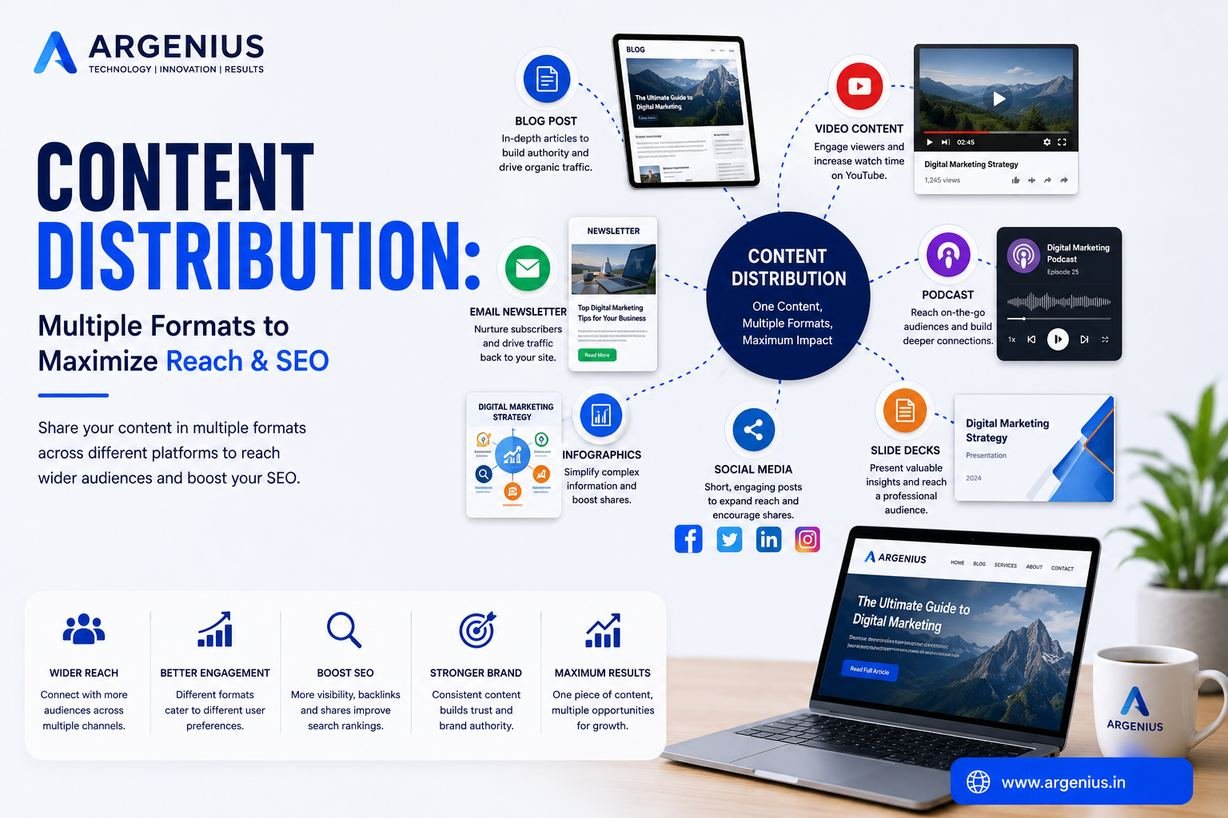
Beyond pure SEO, People Also Search For is an exceptional tool for broader content marketing strategy:
Blog Content Ideation
Stuck on what to write next? Search your core topic, trigger PASF, and you instantly have a list of content ideas that real users are actively searching for. Every term in that box is a validated content opportunity — not a guess.
Video Content Planning
PASF works equally well for planning YouTube content. The related search terms you discover reflect what your audience wants to learn about — giving you a content calendar built entirely on real search demand.
Social Media Content
People Also Search For reveals the questions and subtopics your audience is genuinely curious about — making it a valuable source for social media content themes, carousel topics, and story ideas that resonate with what your followers are already thinking about.
Email Newsletter Topics
Segment your PASF research by customer journey stage and you have a ready-made editorial calendar for email campaigns — covering awareness, consideration, and decision-stage topics that your subscribers are actively searching for.
Common Mistakes Marketers Make With PASF
Even experienced SEOs and marketers sometimes misuse or underutilize People Also Search For data. Here are the most common mistakes to avoid:
Treating PASF terms as simple keywords to stuff — The goal is not to mechanically insert PASF terms into content. The goal is to genuinely address the underlying search intent those terms represent. Quality and relevance always outperform keyword density.
Only researching PASF from one result — Different results trigger different PASF clusters. Research across multiple results for a complete picture of the topic landscape.
Ignoring PASF for local SEO — People Also Search For works for local searches too. If you run a local business, researching PASF for location-specific queries reveals local content opportunities that most competitors completely overlook.
Not updating PASF research regularly — Search behavior evolves constantly. PASF terms that appeared six months ago may have changed significantly. Make PASF research a regular part of your content review process — not a one-time activity.
Confusing PASF with PAA — Using People Also Ask strategies for PASF content and vice versa leads to misaligned content that serves neither purpose effectively. Understand what each feature represents and optimize accordingly.
Tools That Help You Scale PASF Research
Manual PASF research is effective but time-consuming at scale. These tools help automate and expand the process:
Google Search Console — Shows you which queries your pages already rank for. Cross-reference these with PASF research to find gaps between what you rank for and what related terms your audience also searches.
Ahrefs and SEMrush — Both platforms have features that surface semantically related keywords and questions — complementing your manual PASF research with volume and difficulty data.
AlsoAsked.com — Specifically built to map People Also Ask data, but extremely useful for understanding the question ecosystem around any topic — which overlaps significantly with PASF patterns.
Answer the Public — Visualizes the complete question and preposition landscape around any keyword — surfacing the kind of conversational queries that frequently appear in PASF boxes.
Keyword Surfer Chrome Extension — Shows related keyword suggestions and search volumes directly in your Google search results — making PASF research faster and more data-rich.
Real-World Application — How Argenius Uses PASF
At Argenius, People Also Search For research is a standard part of our content strategy process for every client we work with.
When we build a content plan for a new client, we do not just rely on traditional keyword research tools. We manually trigger PASF for every primary keyword target, map out the complete related search ecosystem, identify content gap opportunities, and build topic clusters that cover the full search journey — from broad awareness queries down to specific decision-stage searches.
The result is content that does not just rank for one keyword — it ranks for entire clusters of related searches, driving significantly more total organic traffic than single-keyword focused content ever could.
This approach reflects a core belief we hold at Argenius — that the best SEO is not about gaming algorithms. It is about genuinely understanding what your audience is searching for and creating content that serves them better than anyone else.
People Also Search For — Quick Reference Checklist
Here is a practical checklist for implementing everything covered in this guide:
✅ Search your target keyword in incognito mode
✅ Click top results and capture PASF terms that appear on return
✅ Repeat across at least 5 different search results
✅ Search each PASF term independently and capture secondary PASF clusters
✅ Cross-reference all terms with keyword research tools for volume data
✅ Organize terms into topic cluster groups
✅ Identify which terms deserve dedicated pages vs. sections within existing content
✅ Incorporate PASF language naturally into headers, body content, and FAQ sections
✅ Build internal links connecting all related cluster pages
✅ Review and refresh PASF research every 3 months
Final Thoughts — Stop Overlooking This Free SEO Goldmine
People Also Search For is sitting right there on Google's search results page — completely free, constantly updated with real user behavior data, and almost entirely ignored by the majority of content creators and marketers.
The businesses and creators that understand how to extract insights from PASF, build content strategies around it, and optimize their pages to address the complete search journey their audience takes — are the ones consistently outranking competitors who rely on traditional keyword research alone.
It is not about working harder. It is about working smarter with the data Google is already showing you.
Whether you are a solo blogger trying to grow organic traffic, a startup building content authority from scratch, or an established brand looking to dominate your niche in search — People Also Search For research belongs at the center of your SEO and content marketing strategy.
At Argenius, we build complete digital strategies that turn search insights into real business growth — from technical SEO and content planning to website development and digital marketing. If you are ready to build a content strategy that actually drives results, our team is here to help.
Want to grow your organic traffic with smarter SEO strategies? Connect with Team Argenius today.
— Team Argenius