Discover how personal stories make your blog more engaging, relatable, and trustworthy while improving SEO, increasing reader loyalty, and generating more business opportunities.
Introduction
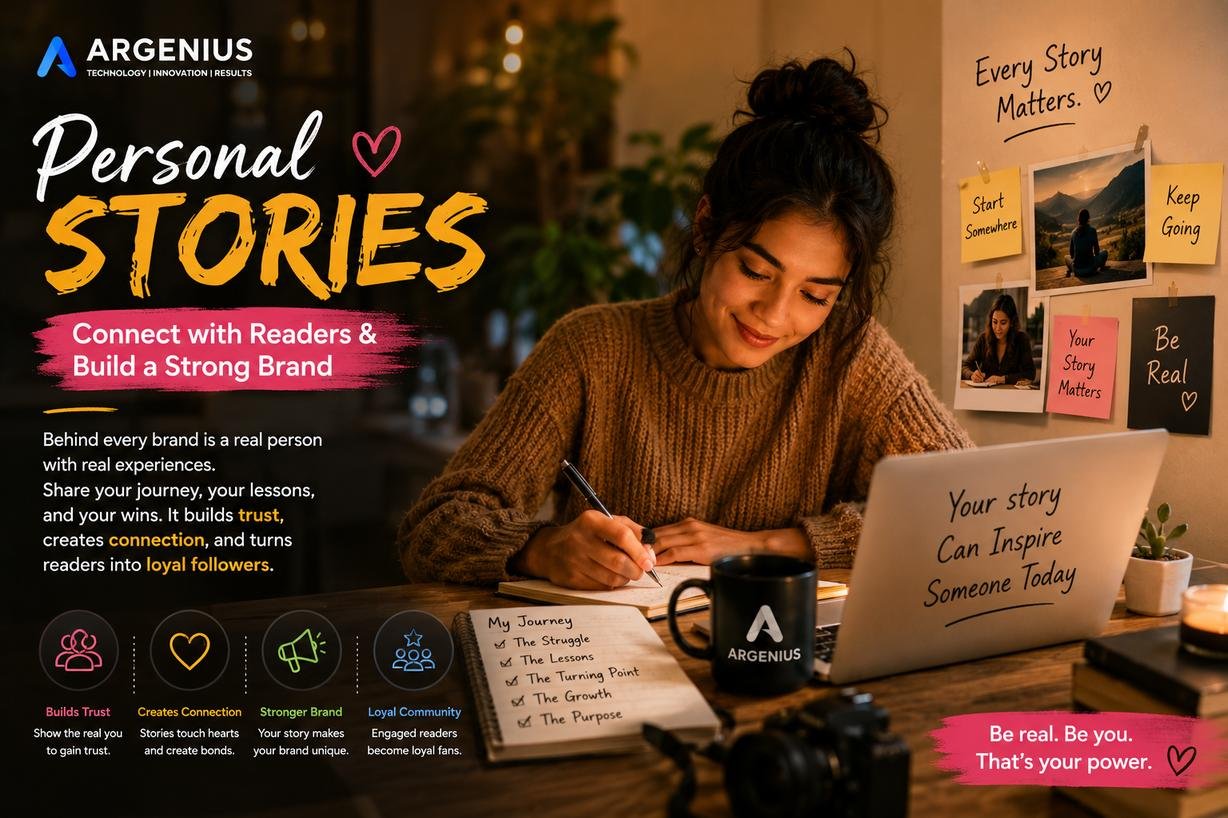
People rarely remember statistics or promotional messages, but they often remember a meaningful story. That's why personal stories have become one of the most powerful content formats in modern blogging and digital marketing. A genuine story helps readers relate to your experiences, understand your perspective, and build trust in your expertise.
Whether you're sharing how your business overcame challenges, lessons learned from a failed project, or the journey of launching a successful product, storytelling creates an emotional connection that traditional informational content often cannot achieve. Readers are naturally drawn to authentic experiences because they provide practical insights while making the content feel more human.
From an SEO perspective, personal stories increase user engagement by encouraging readers to spend more time on your page, interact with your content, and share it with others. They also strengthen E-E-A-T (Experience, Expertise, Authoritativeness, and Trustworthiness) by demonstrating real-world experience instead of simply discussing theoretical concepts.
Businesses can use storytelling to showcase their values, explain their mission, highlight customer experiences, and build stronger relationships with potential clients. When combined with useful information and SEO best practices, personal stories become valuable evergreen content that continues attracting readers over time.
In this complete guide, you'll learn how to write compelling personal stories, structure authentic blog posts, optimize them for search engines, and use storytelling to build stronger relationships with your audience.
At Argenius, we believe that combining authentic storytelling with strategic SEO creates content that not only ranks in search engines but also builds lasting trust with readers.
What are Personal Stories?
A personal story is a blog post that shares real experiences, lessons, challenges, or achievements to educate, inspire, or connect with readers.
Unlike purely informational content, personal stories focus on genuine experiences while delivering valuable insights.
They often include:
- Background
- Challenge
- Journey
- Decisions
- Obstacles
- Lessons Learned
- Results
- Advice
- Reflection
- Key Takeaways
The objective is to educate readers through authentic experiences.
Why Personal Stories Matter
Readers connect with people more than products or services.
Personal stories help:
- Build Trust
- Increase Credibility
- Create Emotional Connections
- Improve Reader Engagement
- Strengthen Brand Identity
- Humanize Your Business
- Encourage Content Sharing
- Improve Customer Loyalty
- Support Long-Term Branding
- Increase Lead Generation
Authenticity often has a greater impact than promotional content.
Benefits of Storytelling in Blogging
Publishing authentic stories offers several advantages.
These include:
- Better Reader Retention
- Higher Engagement
- Increased Social Shares
- Improved SEO Signals
- Longer Time on Page
- Stronger Community Building
- Better Brand Recognition
- Higher Conversion Potential
- Increased Customer Trust
- Evergreen Content Value
Story-driven blogs often perform well because readers enjoy relatable experiences.
Types of Personal Stories
Different storytelling formats serve different business goals.
Founder Journey
Explain how your business started.
Business Lessons
Share challenges and lessons learned.
Success Stories
Describe milestones and achievements.
Failure Stories
Explain mistakes and how they were overcome.
Behind-the-Scenes Stories
Show your daily work process or company culture.
Customer Experience Stories
Highlight how your business helped solve a customer's problem.
Why Authenticity is Important
Readers quickly recognize overly promotional or exaggerated stories.
Authentic storytelling should:
- Be Honest
- Be Relatable
- Include Real Challenges
- Share Practical Lessons
- Focus on Helping Readers
- Avoid Exaggeration
Authenticity builds long-term credibility.
Elements of a Great Personal Story
Every engaging story includes:
- Strong Opening
- Context
- Conflict or Challenge
- Journey
- Turning Point
- Solution
- Results
- Lessons Learned
- Conclusion
- Call-to-Action
A clear structure keeps readers interested from beginning to end.
Common Mistakes When Writing Personal Stories
Avoid these common mistakes:
- Making the Story Only About Yourself
- No Valuable Lesson
- Exaggerating Events
- Poor Story Structure
- Weak Introduction
- Long Paragraphs
- Ignoring SEO
- No Internal Links
- No Clear Conclusion
- Overly Promotional Writing
The best stories focus on helping readers while naturally sharing your experience.
Step-by-Step Framework for Writing Personal Stories
A compelling personal story should inspire, educate, and connect with readers. Instead of simply describing events, focus on how your experiences provide value and practical lessons.
A proven storytelling framework includes:
- Start with a Powerful Hook
- Introduce the Situation
- Explain the Challenge
- Share Your Thought Process
- Describe the Actions You Took
- Highlight the Turning Point
- Present the Results
- Share Key Lessons Learned
- Explain How Readers Can Apply Those Lessons
- End with a Strong Call-to-Action
This framework keeps readers engaged while making your story meaningful and actionable.
Using Emotional Storytelling
Emotions help readers remember your content long after they finish reading.
You can create emotional connections by sharing:
- Real Challenges
- Honest Failures
- Personal Growth
- Unexpected Successes
- Customer Experiences
- Valuable Lessons
- Small Wins
- Moments of Transformation
The goal is not to create drama but to share experiences that readers can genuinely relate to.
Balancing Storytelling with Education
While personal stories are engaging, readers should leave with practical knowledge they can apply.
Your story should answer questions like:
- What happened?
- Why did it matter?
- What did you learn?
- What mistakes should others avoid?
- How can readers apply these lessons?
A balance between storytelling and education creates content that is memorable and useful.
SEO Optimization for Personal Stories
Storytelling content can also perform well in search engines when optimized properly.
Optimize the following:
- SEO Title
- Meta Description
- URL Slug
- Primary Keyword
- Secondary Keywords
- Heading Structure
- Image Alt Text
- Internal Links
- FAQ Section
- Schema Markup (where applicable)
Natural keyword placement helps search engines understand your content without affecting readability.
Using Images & Visual Content
Visual elements make personal stories more authentic and engaging.
Useful visuals include:
- Behind-the-Scenes Photos
- Team Images
- Project Screenshots
- Timeline Graphics
- Milestone Celebrations
- Workspace Photos
- Process Diagrams
- Customer Success Images
Always use descriptive alt text to improve accessibility and SEO.
AI Search Optimization
AI-powered search engines favor content that demonstrates real experience and provides practical insights.
To improve visibility:
- Use descriptive headings.
- Explain experiences clearly.
- Include actionable advice.
- Answer common reader questions.
- Add a structured FAQ section.
- Keep formatting simple and organized.
- Support claims with examples.
- Focus on helpful, experience-based content.
These practices improve visibility in Google AI Overviews, ChatGPT, Gemini, and Perplexity.
Promoting Personal Story Content
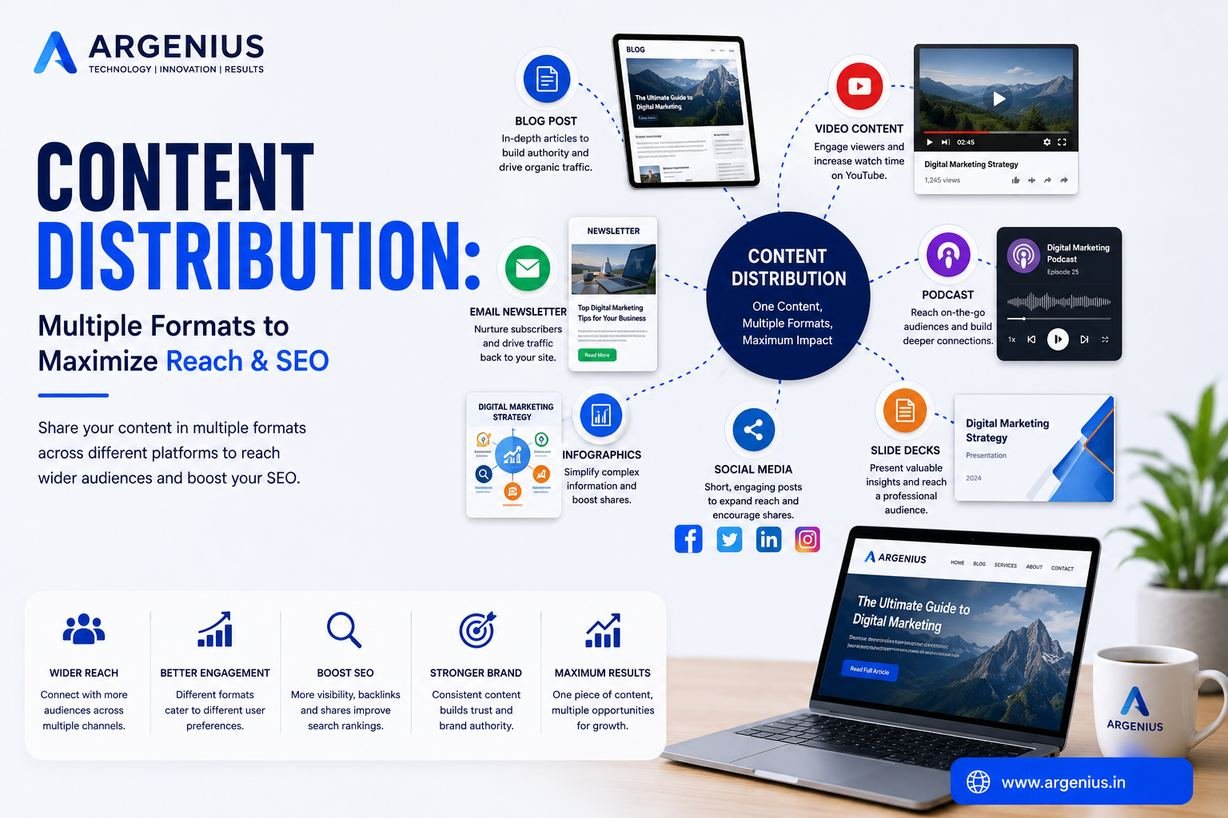
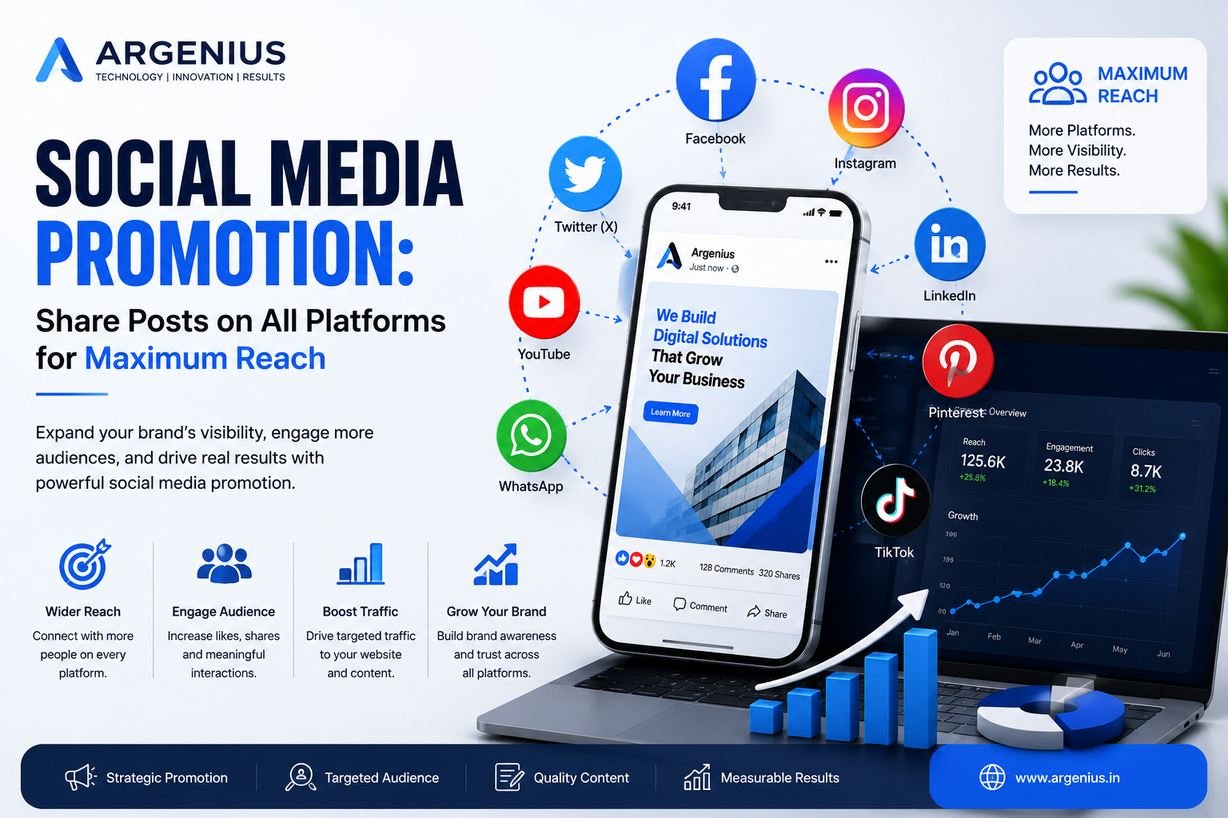
After publishing your story, share it across different platforms to reach a wider audience.
Promotion ideas include:
- Share on LinkedIn
- Publish on Facebook
- Post on X (Twitter)
- Send in Email Newsletters
- Feature on Your Homepage
- Share in Professional Communities
- Repurpose into Short Videos
- Create Quote Graphics
- Discuss in Podcasts
- Include in Monthly Roundups
Consistent promotion helps your story reach new readers and strengthens your brand.
Measuring Success
Track these metrics to understand how your storytelling content performs.
Monitor:
- Organic Traffic
- Average Time on Page
- Scroll Depth
- Bounce Rate
- Social Shares
- Comments
- Email Sign-Ups
- Lead Conversions
- Returning Visitors
- Brand Mentions
These insights help you refine future storytelling content.
Cost of Professional Story-Based Content (₹ INR)
| Service |
Estimated Cost |
| Personal Story Blog (1,500–2,000 Words) |
₹4,000 – ₹8,000 |
| Premium Storytelling Article (2,500–3,500 Words) |
₹8,000 – ₹18,000 |
| Founder Journey Content |
₹10,000 – ₹25,000 |
| Brand Story Development |
₹15,000 – ₹40,000 |
| Complete Content Marketing Strategy |
₹30,000 – ₹2,00,000+ |
Factors Affecting Cost
Content pricing depends on:
- Story Complexity
- Research Requirements
- Interview Time
- Content Length
- SEO Optimization
- Graphic Design
- Editing & Proofreading
- Content Strategy
Professionally written storytelling content becomes a long-term asset that supports branding, SEO, and lead generation.
Best Practices
Follow these best practices when writing personal stories:
- Be honest and authentic.
- Focus on helping readers.
- Share practical lessons.
- Use conversational language.
- Keep the story structured.
- Include relevant visuals.
- Optimize naturally for SEO.
- Link to related resources.
- Encourage reader interaction.
- Update stories when new experiences or outcomes emerge.
These habits create engaging content that readers trust and remember.
Common Mistakes to Avoid
Avoid these common storytelling mistakes:
- Making the story only about yourself
- Exaggerating events
- Ignoring the reader's needs
- No clear lesson
- Weak introduction
- Poor structure
- Long, unbroken paragraphs
- Ignoring SEO optimization
- No internal links
- Weak conclusion
The most effective stories educate readers while remaining authentic and relatable.
Future Trends in Personal Storytelling
Storytelling continues to evolve with changing user expectations and digital platforms.
Emerging trends include:
- AI-Assisted Story Development
- Interactive Storytelling
- Video-Based Personal Stories
- Audio Storytelling
- Personalized Content Experiences
- Voice Search Optimization
- AI Search Optimization
- Multimedia Brand Stories
- Community-Driven Content
- Experience-Based Marketing
Businesses that embrace authentic storytelling will continue building stronger relationships with their audiences.
Why Businesses Choose Argenius
At Argenius, we create authentic storytelling content that combines emotional connection with SEO strategy to strengthen brand authority and generate long-term business growth.
Our services include:
- Story-Based Content Writing
- SEO Content Writing
- Content Marketing
- Keyword Research
- Technical SEO
- On-Page SEO
- Website Development
- WordPress Development
- Digital Marketing
- Performance Optimization
Our approach combines real experiences, strategic storytelling, and SEO best practices to create content that resonates with readers and performs well in search engines.
Final Thoughts
Personal stories are one of the most effective ways to build meaningful relationships with your audience because they combine authenticity with valuable insights. Readers are more likely to trust businesses that openly share real experiences, lessons learned, and the journey behind their success. When storytelling is paired with actionable advice and thoughtful SEO, it creates content that not only attracts visitors but also encourages them to return and engage with your brand.
The most impactful stories are honest, relatable, and focused on helping others. Rather than trying to appear perfect, share genuine experiences that demonstrate growth, resilience, and expertise. At Argenius, we help businesses create authentic, SEO-optimized storytelling content that strengthens brand credibility, improves search visibility, and builds long-lasting connections with readers.
Frequently Asked Questions
What are personal stories in blogging?
Personal stories are blog posts that share real experiences, challenges, achievements, or lessons to educate readers while building trust and stronger emotional connections.
Why are personal stories effective?
They make content more relatable, increase engagement, improve reader trust, and help businesses establish authenticity and credibility.
Are personal stories good for SEO?
Yes. They improve engagement metrics such as time on page, encourage social sharing, support E-E-A-T, and strengthen brand authority when optimized correctly.
Should businesses share personal experiences?
Absolutely. Sharing relevant business experiences, challenges, and lessons helps humanize your brand and demonstrates real expertise without relying on promotional claims.
How often should I publish storytelling content?
You can include storytelling regularly alongside educational and informational content. A balanced content strategy often delivers the best long-term results.
Does Argenius create storytelling content?
Yes. Argenius provides storytelling content writing, SEO blog writing, content marketing, website development, technical SEO, and digital marketing services to help businesses build stronger relationships with their audience and generate sustainable growth.