Discover how social media impacts business communication, improves customer interaction, and drives growth. Learn strategies and tools in this complete guide by Argenius.
How Can Social Media Impact Communication in Business — A Complete Guide
Think about how your business communicates today versus how it did ten years ago. The difference is massive — and social media sits right at the center of that transformation. From sending a critical update to thousands of followers in seconds to having a one-on-one conversation with a customer who just purchased your product, social media and business communication have become deeply intertwined in ways that simply cannot be ignored.
At Argenius, we work with businesses of all sizes every single day — and one pattern we consistently observe is this: companies that truly understand how social media can impact communication in business grow faster, connect better, and build stronger long-term relationships than those who treat social media as an afterthought.
This blog covers everything — the real benefits, the hidden challenges, and the practical strategies that will help your business communicate smarter through social media.
The Old Way of Business Communication Is Gone
Not too long ago, digital communication in business was not even a phrase people used. If a company wanted to reach its audience, it bought a newspaper ad, sent out physical mailers, or ran a television commercial.
Each of these methods shared three major problems — they were expensive, they were slow, and they were completely one-directional. The business spoke and the customer simply listened. There was almost no room for genuine conversation.
Then social media arrived and changed everything.
Today, business communication through social media works as a powerful two-way channel. A company posts an update and within minutes customers respond, share, question, and engage. This real-time exchange has made effective business communication on social media more alive, more dynamic, and more human than any previous format.
And this shift touches every single layer of a business — from customer service to internal team collaboration to brand reputation management. Let us break each of these down clearly.
1. Direct and Instant Customer Communication
One of the most immediate ways social media impacts corporate communication is by completely eliminating the gap between a business and its customers.
Before online business communication platforms like Instagram, Facebook, and LinkedIn existed, reaching a business meant calling a helpline, writing a formal email, or visiting a physical location. Responses took hours — sometimes days. That delay created frustration and slowly eroded customer trust.
Today, a customer can send a direct message on Instagram or drop a comment on a Facebook post — and a responsive business can reply within minutes. That speed builds trust faster than almost any other action a business can take.
Social media communication strategies for business that prioritize quick, genuine responses consistently outperform competitors who treat customer queries as low priority. Even a simple, thoughtful reply to a comment does more for brand loyalty than a paid advertisement ever could.
The foundation of social media and business communication is this — stop broadcasting, start conversing.
2. Building a Consistent and Recognizable Brand Voice
Every successful business has a personality. Social media marketing communication gives businesses the platform to express that personality consistently across multiple channels — every single day.
When your business posts regularly on LinkedIn, Instagram, Twitter, or Facebook, you are not just sharing content. You are training your audience to recognize your tone, your values, and your communication style. Over time this consistency turns a faceless company into something that feels approachable and trustworthy.
This is one of the most underrated benefits of effective business communication on social media. A tech company that always uses simple, jargon-free language signals that it values clarity. A creative agency that posts bold, visually rich content signals confidence and originality. Neither of these messages is stated directly — they are communicated through consistent, intentional social media presence.
Social media influence on workplace communication starts from the top — when leadership communicates clearly and consistently on social platforms, it sets the tone for the entire organization's external voice.
3. Internal Team Communication and Collaboration
When people discuss how social media can impact communication in business, the conversation usually focuses on customer-facing activities. But the internal impact is just as significant and often overlooked.
Platforms like LinkedIn communities, private Facebook groups, and professional collaboration tools that connect with social networks are actively being used by forward-thinking businesses to keep teams informed, aligned, and motivated.
Company announcements, policy changes, project milestones, and team celebrations — all of these can be shared instantly with an entire organization through online business communication platforms. This is particularly valuable for businesses operating with remote teams or multiple office locations spread across different cities.
Social media influence on workplace communication goes beyond announcements too. When team members publicly share their expertise, celebrate company wins, or engage with industry conversations on LinkedIn, they collectively strengthen the company's professional image — which attracts both better clients and better talent.
4. Crisis Communication — Protecting Your Brand in Real Time
Every business will face a difficult moment at some point — a product failure, a negative review going viral, a service disruption, or a public relations challenge. How social media impacts corporate communication during these moments can either protect or permanently damage a brand.
The traditional approach to crisis communication was slow. Businesses would draft a press release, wait for media pickup, and hope the message reached the right people in time. Social media has made all of that obsolete.
Today, with smart social media communication strategies for business, a company can post a clear and honest statement on its social channels within hours of an issue surfacing — directly reaching its own audience without waiting for a third party to carry the message.
Audiences do not expect businesses to be perfect. They expect honesty. Transparent, proactive business communication through social media during a crisis consistently outperforms silence or defensive responses in protecting long-term brand trust.
5. Continuous Real-Time Feedback From Your Market
Traditional feedback methods — surveys, focus groups, customer interviews — were always delayed. By the time data was collected, analyzed, and acted upon, weeks or months had already passed and the opportunity to respond meaningfully was often gone.
Social media tools for business communication solve this problem entirely. Every post, every story, every comment section, and every direct message is essentially a live feedback loop. Customers are constantly telling businesses what they love, what frustrates them, and what they wish was different — often without even realizing they are providing feedback.
Businesses that listen to these signals and act on them gain a competitive advantage that no amount of formal market research can replicate. This is one of the most practical and immediately actionable ways social media and business communication work together to drive real business improvement.
6. Thought Leadership — Becoming the Go-To Voice in Your Industry
Another powerful dimension of social media marketing communication is its ability to position your business as a genuine authority in your field.
When your company consistently shares valuable insights, expert analysis, industry news, and practical advice on social platforms, something important happens over time — people stop seeing you as just another vendor and start viewing you as a trusted resource.
This shift in perception fundamentally changes the quality of digital communication in business. Instead of cold, transactional conversations, interactions become warmer and relationship-driven. Potential clients reach out already trusting your expertise before they have even spoken to anyone on your team.
At Argenius, we help businesses build this kind of digital authority because we understand that trust built through consistent social media and business communication converts directly into business growth — often more effectively than any paid campaign.
7. Global Reach With a Personal Touch
Perhaps the most remarkable aspect of how social media can impact communication in business is its unique ability to make global reach feel genuinely personal.
A business based in Delhi can now have a meaningful conversation with a potential client in Dubai, London, or Singapore — and that exchange can feel just as warm and personal as an in-person meeting. Business communication through social media removes every geographical limitation that previously restricted smaller businesses from competing on a global scale.
At the same time, social platforms give businesses precise tools to communicate differently with different audience segments. Your message to a local Delhi audience can feel hyper-relevant and specific while your content for an international audience can take a broader, more universal tone — all from the same platform.
This combination of global reach and local relevance is something no previous communication channel has ever delivered at this scale or at this cost.
8. Social Media Tools for Business Communication — Choosing the Right Platforms
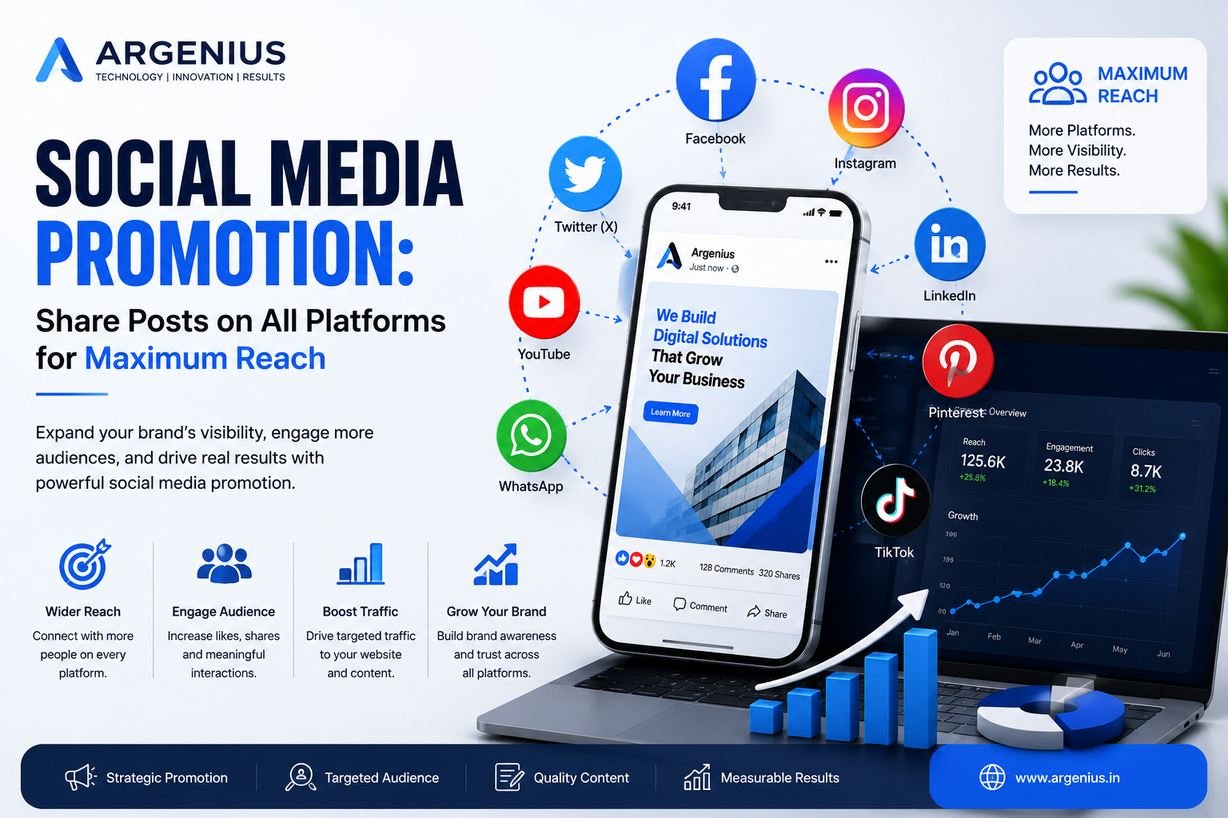
Not every platform works the same way for every business. Understanding which social media tools for business communication suit your specific goals is critical.
LinkedIn is ideal for B2B communication, professional networking, thought leadership content, and recruiting. If your business sells to other businesses, LinkedIn should be your primary focus.
Instagram works powerfully for visual storytelling, brand personality, product showcases, and reaching younger demographics. Businesses in fashion, food, travel, real estate, and lifestyle thrive here.
Facebook remains one of the strongest platforms for community building, local business communication, customer service interactions, and running targeted advertising campaigns.
Twitter / X excels at real-time conversations, trending topic participation, customer service responses, and rapid news sharing.
YouTube is the undisputed leader for long-form educational content, product demonstrations, and building deep audience trust through video.
Smart social media communication strategies for business involve selecting the right combination of these platforms based on where your actual audience spends their time — not just where everyone else seems to be.
9. Measuring the Effectiveness of Your Social Media Communication
One major advantage of digital communication in business through social media is that almost everything is measurable. Unlike traditional communication channels where impact was difficult to quantify, social media platforms provide detailed analytics that show you exactly what is working and what is not.
Engagement rates tell you how much your audience connects with your content. Reach and impression data shows how far your message is traveling. Response time metrics reveal how effectively your team is handling customer communication. Conversion tracking links your social media activity directly to business outcomes.
These insights allow businesses to continuously refine their social media communication strategies for business — making each campaign smarter and more effective than the last.
10. The Challenges of Social Media Business Communication
While the advantages are significant, a balanced understanding of how social media can impact communication in business requires acknowledging the real challenges too.
Negative content spreads rapidly. A single unhappy customer post can reach thousands of people before a business even becomes aware of it. Having a clear protocol for handling negative communication on social media is non-negotiable.
Consistency demands genuine commitment. Showing up regularly with quality, relevant content requires time, creativity, and strategic planning. Sporadic or low-quality posting actively damages brand credibility rather than building it.
Each platform speaks its own language. The tone and format that performs well on LinkedIn will fall flat on Instagram. Effective business communication on social media requires platform-specific thinking — not a one-size-fits-all approach.
Misinformation can spread quickly. Businesses need to be careful about the accuracy of everything they publish — because incorrect information on social media spreads just as fast as correct information.
Acknowledging these challenges is not a reason to avoid social media — it is a reason to approach social media and business communication with a clear, thoughtful strategy from day one.
How Argenius Helps Businesses Communicate Better Digitally
At Argenius, we have spent years helping businesses across industries build powerful digital presences that drive real results. From website development and SEO to complete digital communication strategies, our team understands exactly how social media can impact communication in business — and how to make that impact work in your favor.
We do not believe in generic solutions. Every business has a unique voice, a unique audience, and unique communication goals. Our approach is always tailored — because we know that effective business communication on social media looks different for a real estate company than it does for a healthcare brand or a tech startup.
If you are ready to strengthen your social media and business communication strategy and build a digital presence that genuinely grows your business, Argenius is the partner you have been looking for.
Final Thoughts — Social Media Communication Is Now a Business Essential
The core message of everything covered in this blog is straightforward — how social media can impact communication in business is not a theoretical question anymore. It is a daily reality that every business owner and marketing professional needs to understand and act on.
Companies that master business communication through social media build stronger customer relationships, respond faster to market changes, manage their reputation more effectively, and ultimately grow more consistently than competitors who ignore this shift.
Social media and business communication are no longer two separate conversations. They are one unified strategy — and the businesses that recognize this early are the ones that will lead their industries in the years ahead.
The question is not whether social media should be part of your communication strategy. The question is — how well are you using it right now?
Want to build a smarter digital communication strategy for your business? Connect with Team Argenius today — we are ready to help you grow.
— Team Argenius