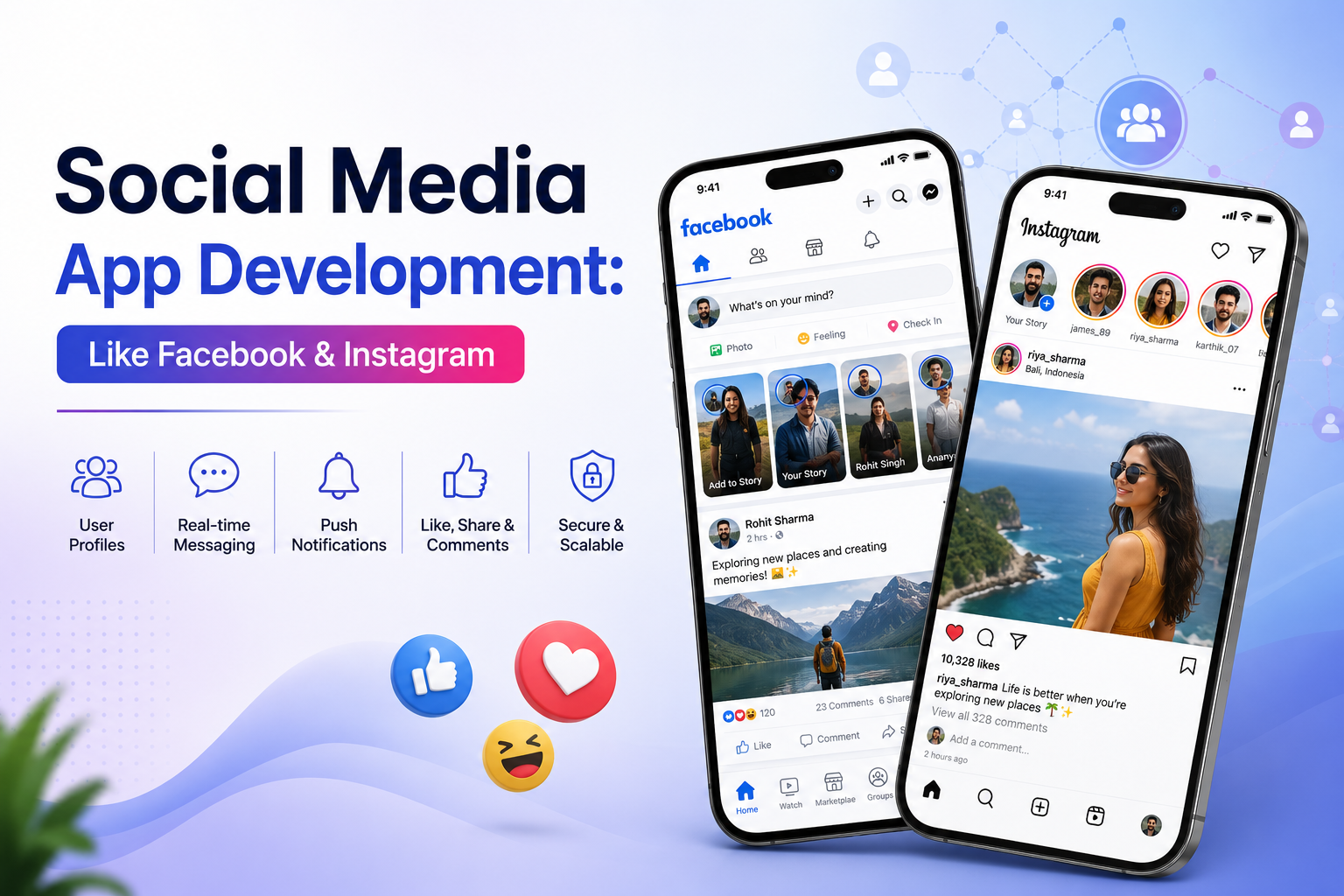
Social media applications have transformed how people connect, communicate, and share content worldwide. Whether you're building a social networking platform, a photo-sharing app, a creator community, or a short-video application, this comprehensive guide covers everything you need to know about social media app development.
Introduction
Social media has become one of the most influential technologies of the digital era, connecting billions of people across the globe. Platforms like Facebook and Instagram have changed the way users communicate, share photos and videos, build communities, discover brands, and consume content. Today, businesses, startups, creators, and entrepreneurs are investing in custom social networking platforms to engage audiences, create communities, and generate new revenue opportunities.
The demand for niche social media platforms is growing rapidly. Instead of building another general-purpose social network, many businesses now focus on industry-specific communities, educational platforms, professional networking apps, fitness communities, gaming platforms, or creator-focused applications.
Building a successful social media application requires much more than a beautiful interface. It involves real-time messaging, personalized news feeds, multimedia sharing, AI-powered recommendations, content moderation, user privacy, secure authentication, scalable infrastructure, and advanced analytics.
In this complete guide, you'll learn everything about Social Media App Development, including app types, business models, must-have features, technology stack, development process, estimated costs, AI capabilities, and future trends.
At Argenius, we design and develop scalable, secure, and feature-rich social media applications that help businesses create engaging digital communities and grow their online presence.
What is a Social Media App?
A social media app is a digital platform that allows users to create profiles, connect with others, share content, communicate in real time, and participate in online communities.
Modern social networking applications support multiple forms of content, including:
- Text Posts
- Images
- Videos
- Stories
- Reels
- Live Streaming
- Audio Content
- Community Discussions
A complete social media solution generally consists of:
- User Mobile App
- Creator Dashboard
- Admin Panel
- Content Management System
- Notification System
- Real-Time Messaging
- Analytics Dashboard
Together, these components create a seamless and engaging user experience.
Types of Social Media Apps
Different businesses target different audiences. Choosing the right type of platform is one of the most important decisions during development.
Social Networking Apps
These platforms focus on connecting friends, families, and communities.
Typical features include:
- User Profiles
- Friend Requests
- News Feed
- Groups
- Messaging
- Content Sharing
This model is suitable for building community-focused platforms similar to Facebook.
Photo & Video Sharing Apps
These applications prioritize visual content.
Key features include:
- Image Uploads
- Video Sharing
- Stories
- Reels
- Filters
- Editing Tools
This model is ideal for platforms inspired by Instagram.
Professional Networking Apps
Professional networking platforms connect businesses, recruiters, freelancers, and job seekers.
Common features include:
- Professional Profiles
- Resume Upload
- Job Listings
- Networking
- Messaging
- Business Communities
Community & Forum Apps
Community applications are built around shared interests such as education, gaming, health, technology, or hobbies.
Features include:
- Discussion Boards
- Topic Categories
- Moderation Tools
- Community Groups
- Reputation System
Short Video Platforms
Short-form video applications continue to experience rapid growth.
Popular features include:
- Video Recording
- Video Editing
- Music Library
- Filters
- Effects
- Trending Feed
Messaging-Based Social Apps
These applications combine instant messaging with social networking features.
Features include:
- One-to-One Chat
- Group Chat
- Voice Messages
- File Sharing
- Video Calling
- End-to-End Encryption
How a Social Media App Works
Although users interact with a simple interface, multiple systems operate behind the scenes.
A typical workflow includes:
- User creates an account.
- Profile is completed.
- Friends or communities are discovered.
- Posts are created.
- Photos and videos are uploaded.
- Followers engage through likes, comments, and shares.
- Notifications are delivered.
- Direct messages are exchanged.
- Personalized content is displayed.
- Analytics track user activity.
Real-time communication, scalable cloud infrastructure, AI algorithms, and secure APIs work together to provide a seamless experience.
Business Models
Selecting the right monetization strategy is critical for building a sustainable platform.
Advertising Revenue
Businesses display sponsored advertisements within the news feed, stories, reels, or search results.
Advertising remains one of the largest revenue sources for social media platforms.
Premium Subscription
Users pay monthly or yearly fees to access exclusive features such as:
- Ad-Free Experience
- Premium Content
- Advanced Analytics
- Creator Tools
- Verification Badges
Recurring subscriptions provide predictable revenue.
In-App Purchases
Users can purchase:
- Virtual Gifts
- Stickers
- Coins
- Themes
- Premium Features
This model is widely used in creator-focused platforms.
Brand Collaborations
Influencers and creators can collaborate with brands directly through the platform.
Businesses can generate commission from sponsored campaigns and influencer partnerships.
Creator Monetization
Modern social platforms allow creators to earn revenue through:
- Paid Subscriptions
- Live Donations
- Exclusive Content
- Digital Products
- Affiliate Marketing
Supporting creator monetization helps attract and retain high-quality content creators.
Essential User App Features
The user application should provide an engaging, intuitive, and secure experience.
Essential features include:
- User Registration
- Social Login
- Profile Management
- News Feed
- Create Posts
- Photo Upload
- Video Upload
- Stories
- Reels
- Likes
- Comments
- Shares
- Follow / Unfollow
- Friend Requests
- Search
- Hashtags
- Saved Posts
- Push Notifications
- Direct Messaging
- Live Streaming
- Privacy Settings
- Report & Block Users
These features encourage user engagement and improve platform retention.
Creator Features
Creators are one of the primary growth drivers for social media platforms.
Important creator tools include:
- Professional Dashboard
- Audience Insights
- Post Analytics
- Creator Verification
- Monetization Dashboard
- Live Streaming
- Subscription Management
- Content Scheduling
- Performance Reports
- Brand Collaboration Tools
These features empower creators to grow their audience and generate revenue.
Admin Panel Features
The admin dashboard manages platform operations, user safety, and business performance.
Key functionalities include:
- Dashboard Overview
- User Management
- Content Moderation
- Report Management
- Creator Verification
- Advertisement Management
- Community Management
- Notification Management
- Reports & Analytics
- System Configuration
A powerful admin panel helps maintain a secure, scalable, and engaging platform.
Recommended Technology Stack
Selecting the right technology stack is essential for building a scalable social media application capable of handling millions of users.
Mobile Development
- Flutter
- React Native
- Kotlin
- Swift
Backend Development
Database
Cloud Infrastructure
- AWS
- Google Cloud Platform
- Microsoft Azure
Real-Time Communication
Media Storage
CDN
- Cloudflare
- AWS CloudFront
Using modern technologies ensures high performance, low latency, better scalability, and easier maintenance as the platform grows.
Why Businesses Invest in Social Media Apps
The demand for community-driven digital platforms continues to grow as users spend more time engaging with online content.
Major business benefits include:
- Stronger Customer Engagement
- Community Building
- Brand Awareness
- Creator Economy Opportunities
- Advertising Revenue
- Subscription Income
- Valuable User Insights
- Increased Customer Loyalty
- Higher User Retention
- Long-Term Business Growth
A well-designed social media application helps businesses build meaningful relationships with users while creating multiple revenue streams.
Social Media App Development Process
Building a successful social media application requires much more than creating attractive screens. It involves designing a scalable platform capable of handling millions of users, real-time interactions, multimedia content, AI-powered recommendations, and secure communication.
A structured development process helps reduce risks, improve quality, and accelerate time to market.
1. Market Research & Product Strategy
Every successful social media platform begins with understanding its target audience and unique value proposition.
This phase includes:
- Competitor Analysis
- Audience Research
- Feature Planning
- Business Model Selection
- Monetization Strategy
- Technical Architecture Planning
2. UI/UX Design
An engaging and intuitive user experience is essential for increasing user retention and session duration.
The design phase includes:
- User Journey Mapping
- Wireframes
- Interactive Prototypes
- Mobile App Design
- Creator Dashboard Design
- Admin Panel Design
3. Backend Development
The backend powers every activity on the platform, including user accounts, feeds, messaging, notifications, media storage, and analytics.
Core backend modules include:
- User Authentication
- Profile Management
- News Feed Engine
- Post Management
- Media Upload
- Messaging System
- Notification Services
- Analytics Dashboard
- Content Moderation
- Admin Controls
4. Mobile App Development
Separate applications can be developed for:
- User App
- Creator App (Optional)
- Moderator App (Optional)
Frameworks like Flutter and React Native enable faster development for both Android and iOS from a single codebase.
5. Testing & Quality Assurance
Comprehensive testing ensures a stable and secure platform.
Testing includes:
- Functional Testing
- UI Testing
- Performance Testing
- Security Testing
- API Testing
- Load Testing
- Device Compatibility Testing
6. Deployment
After successful testing, the application is deployed to production.
Deployment includes:
- Google Play Store
- Apple App Store
- Cloud Infrastructure Setup
- CDN Configuration
- Monitoring Tools
7. Maintenance & Continuous Improvement
A social networking platform continuously evolves after launch.
Post-launch services include:
- Bug Fixes
- Feature Enhancements
- Performance Optimization
- Security Updates
- Cloud Monitoring
- User Support
Cost of Social Media App Development
The development cost depends on the number of features, user capacity, AI capabilities, real-time functionality, and platform complexity.
Estimated Pricing (INR)
| App Type |
Estimated Cost |
| Basic MVP Social App |
₹8,00,000 – ₹15,00,000 |
| Standard Social Networking App |
₹15,00,000 – ₹35,00,000 |
| Advanced App Like Facebook/Instagram |
₹35,00,000 – ₹70,00,000 |
| Enterprise Social Media Platform |
₹70,00,000+ (Custom Pricing) |
The final cost depends on several factors, including:
- Android & iOS Development
- UI/UX Complexity
- Real-Time Messaging
- Video & Image Upload Support
- Live Streaming Features
- AI Recommendation Engine
- Third-Party API Integrations
- Cloud Infrastructure
- Security Requirements
- Ongoing Maintenance
Development Timeline
The estimated timeline varies based on project scope and customization.
| Development Phase |
Estimated Duration |
| Planning & Research |
1–2 Weeks |
| UI/UX Design |
2–4 Weeks |
| Backend Development |
5–8 Weeks |
| Mobile App Development |
8–12 Weeks |
| Testing |
2–4 Weeks |
| Deployment |
1 Week |
A production-ready social media platform typically requires 4–7 months for development.
Essential API Integrations
Third-party APIs help accelerate development and improve functionality.
Authentication
- Firebase Authentication
- Google Sign-In
- Apple Sign-In
Media Storage
Real-Time Communication
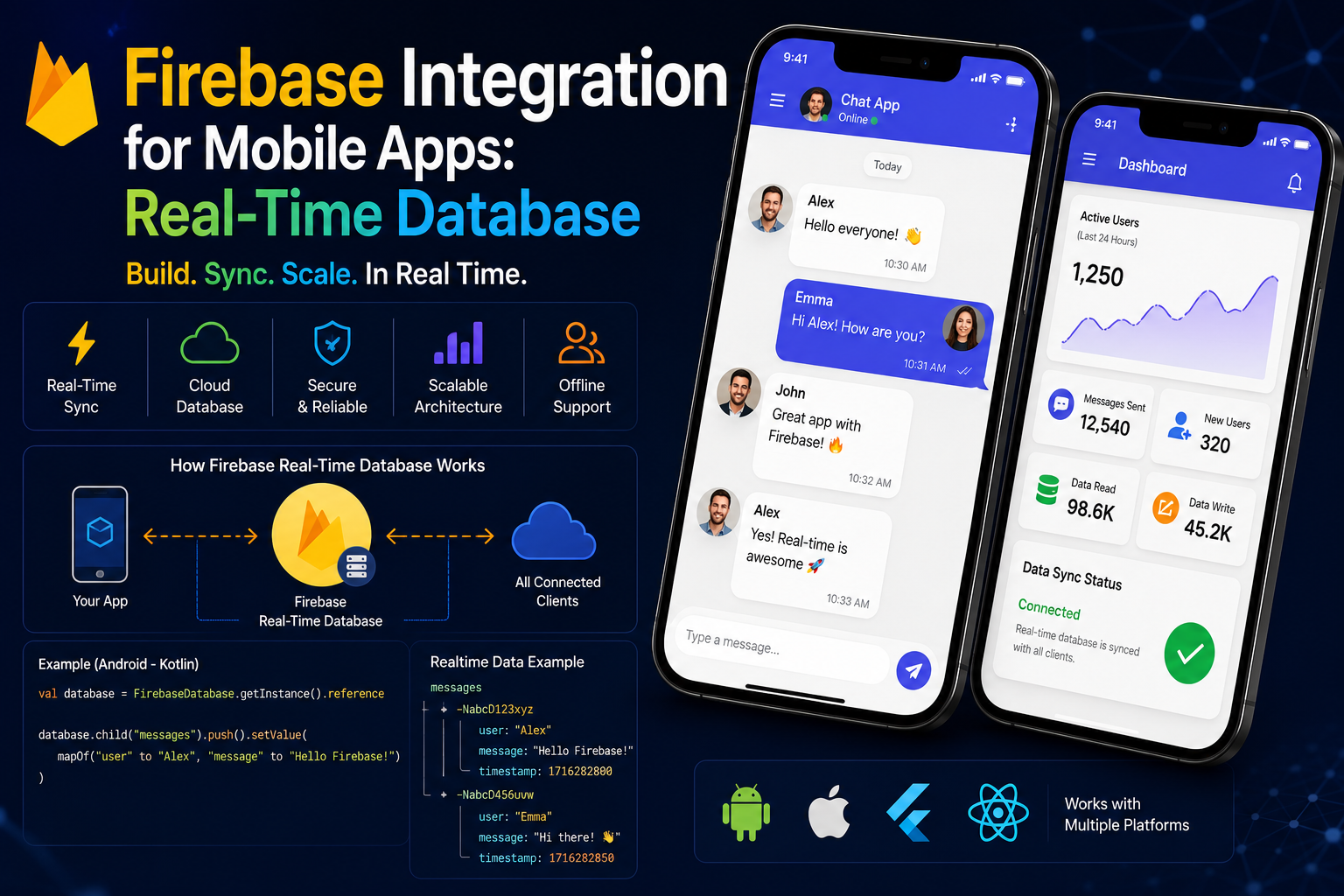
- Firebase
- WebSocket
- Agora (Voice & Video)
Push Notifications
- Firebase Cloud Messaging (FCM)
- OneSignal
Communication
Payments (For Premium Features)
Analytics
- Firebase Analytics
- Google Analytics
AI Features for Social Media Apps
Artificial Intelligence is transforming how users discover and interact with content.
Popular AI-powered features include:
- Personalized News Feed
- AI-Based Content Recommendations
- Smart Friend Suggestions
- AI Chatbot
- Image Recognition
- Video Classification
- Automatic Caption Generation
- Spam Detection
- Fake Account Detection
- AI Content Moderation
- Sentiment Analysis
- Personalized Advertisement Targeting
AI enhances user engagement while reducing manual moderation efforts.
Security Best Practices
Since social media platforms handle sensitive personal information and private conversations, security should be built into every layer of the application.
Recommended practices include:
- HTTPS Encryption
- JWT Authentication
- Multi-Factor Authentication (MFA)
- End-to-End Encryption for Messaging
- Secure Media Storage
- API Rate Limiting
- Input Validation
- Role-Based Access Control
- DDoS Protection
- Regular Security Audits
Strong security measures build user trust and protect platform integrity.
Common Challenges
Building and managing a large-scale social media platform presents several technical and operational challenges.
Common challenges include:
- Managing Millions of Users
- Real-Time Feed Updates
- Content Moderation
- Fake Accounts
- Spam Prevention
- High Server Load
- Video Processing
- Media Storage Costs
- User Privacy Compliance
- Platform Scalability
Planning for these challenges early ensures a stable and future-ready platform.
Social Media App vs Messaging App
Although both platforms enable communication, they serve different primary purposes.
| Feature |
Social Media App |
Messaging App |
| Primary Focus |
Content Sharing |
Private Communication |
| Public Posts |
✅ Yes |
❌ No |
| News Feed |
✅ Yes |
❌ No |
| Stories & Reels |
✅ Yes |
Limited |
| Communities |
✅ Yes |
Basic Groups |
| Direct Messaging |
✅ Yes |
✅ Yes |
| Live Streaming |
✅ Yes |
Limited |
| Creator Monetization |
✅ Yes |
Rare |
Many modern platforms combine both functionalities to deliver a complete social experience.
Benefits of Building a Social Media App
Launching a social media platform offers numerous business advantages.
Major benefits include:
- Strong Community Engagement
- Higher User Retention
- Multiple Revenue Streams
- Advertising Opportunities
- Creator Economy Support
- Valuable User Insights
- Increased Brand Awareness
- Customer Loyalty
- Global Reach
- Long-Term Business Growth
A successful platform creates lasting value by connecting people and enabling meaningful digital interactions.
Future Trends
The social media landscape continues to evolve rapidly with advancements in AI, immersive technologies, and creator-focused ecosystems.
Emerging trends include:
- AI-Generated Content
- AI-Powered Moderation
- Augmented Reality (AR) Filters
- Virtual Reality (VR) Social Spaces
- Decentralized Social Networks
- Creator Economy Expansion
- Blockchain-Based Identity Verification
- Voice Communities
- Short-Form Interactive Videos
- Hyper-Personalized Content Feeds
Businesses adopting these innovations will be better positioned to attract users and remain competitive.
Why Businesses Choose Argenius
Creating a scalable social media platform requires expertise in mobile app development, cloud architecture, real-time communication, AI integration, and cybersecurity.
At Argenius, we develop custom social media applications tailored to startups, enterprises, creator platforms, educational communities, and niche social networks. Our services include UI/UX design, Android and iOS app development, backend engineering, AI-powered recommendation systems, messaging, media management, cloud deployment, analytics, and ongoing maintenance.
Whether you're planning to build a platform inspired by Facebook, Instagram, or an entirely unique social community, our team delivers secure, scalable, and future-ready solutions designed for long-term success.
Final Thoughts
Social media applications have transformed how people connect, communicate, and consume digital content. A well-designed platform can foster communities, support creators, and open up multiple revenue opportunities through advertising, subscriptions, and premium features.
Success depends on choosing the right technology stack, building engaging user experiences, implementing strong security, and continuously evolving based on user feedback.
At Argenius, we help businesses turn innovative social networking ideas into powerful, scalable applications that are built for growth, performance, and long-term user engagement.
Frequently Asked Questions
How much does it cost to develop a social media app?
A basic MVP typically starts from ₹8 lakh, while a feature-rich platform similar to Facebook or Instagram generally ranges from ₹35 lakh to ₹70 lakh+, depending on features and scalability.
How long does it take to build a social media app?
A production-ready social networking platform usually takes 4–7 months, depending on customization and advanced features such as messaging, live streaming, and AI.
Which technology is best for social media app development?
Flutter and React Native are excellent choices for cross-platform mobile development. Node.js or Laravel are commonly used for backend systems, while Firebase, WebSocket, Cloudinary, and AWS provide real-time communication, media storage, and cloud infrastructure.
What are the essential features of a social media app?
Core features include user registration, profiles, news feeds, image and video sharing, stories, reels, likes, comments, messaging, notifications, search, privacy controls, and an admin dashboard.
Can I build an app similar to Facebook or Instagram?
Yes. With the right architecture and development strategy, you can create a scalable social networking platform with features similar to Facebook or Instagram while adding unique capabilities tailored to your target audience.
Is AI important for social media platforms?
Yes. AI improves personalization, enhances content recommendations, automates moderation, detects spam, and delivers a more engaging user experience.
Can Argenius develop a custom social media application?
Yes. Argenius provides end-to-end social media app development services, including UI/UX design, Android and iOS development, backend engineering, AI integration, messaging systems, cloud deployment, testing, and post-launch maintenance.