Fitness apps have transformed how people exercise, monitor their health, and achieve wellness goals. Whether you're planning to build a workout app, personal training platform, health tracking application, or AI-powered fitness solution, this comprehensive guide covers everything you need to know about fitness app development, including features, technology stack, AI capabilities, costs, business models, and future trends.
The fitness industry has rapidly embraced digital transformation, changing the way people exercise, track their health, and achieve personal wellness goals. Instead of relying solely on gyms or personal trainers, millions of users now depend on mobile applications to access customized workout plans, monitor daily activity, count calories, measure sleep quality, and receive personalized fitness recommendations.
The growing popularity of smartphones, wearable devices, artificial intelligence, and connected health technologies has created enormous opportunities for gyms, personal trainers, fitness startups, wellness brands, and healthcare companies to launch innovative fitness applications. Modern users expect more than simple workout videos—they want personalized coaching, progress tracking, wearable device integration, nutrition planning, and AI-powered insights that help them stay motivated.
Developing a successful fitness application requires more than attractive UI design. Businesses need scalable cloud infrastructure, secure user authentication, real-time health tracking, intelligent analytics, seamless wearable integrations, and engaging user experiences that encourage long-term retention.
In this comprehensive guide, you'll learn everything about Fitness App Development, including app types, business models, essential features, technology stacks, AI capabilities, development processes, costs, security considerations, and future trends.
At Argenius, we develop secure, scalable, and feature-rich fitness applications that help gyms, fitness startups, wellness companies, and healthcare organizations build engaging digital fitness experiences.
What is Fitness App Development?
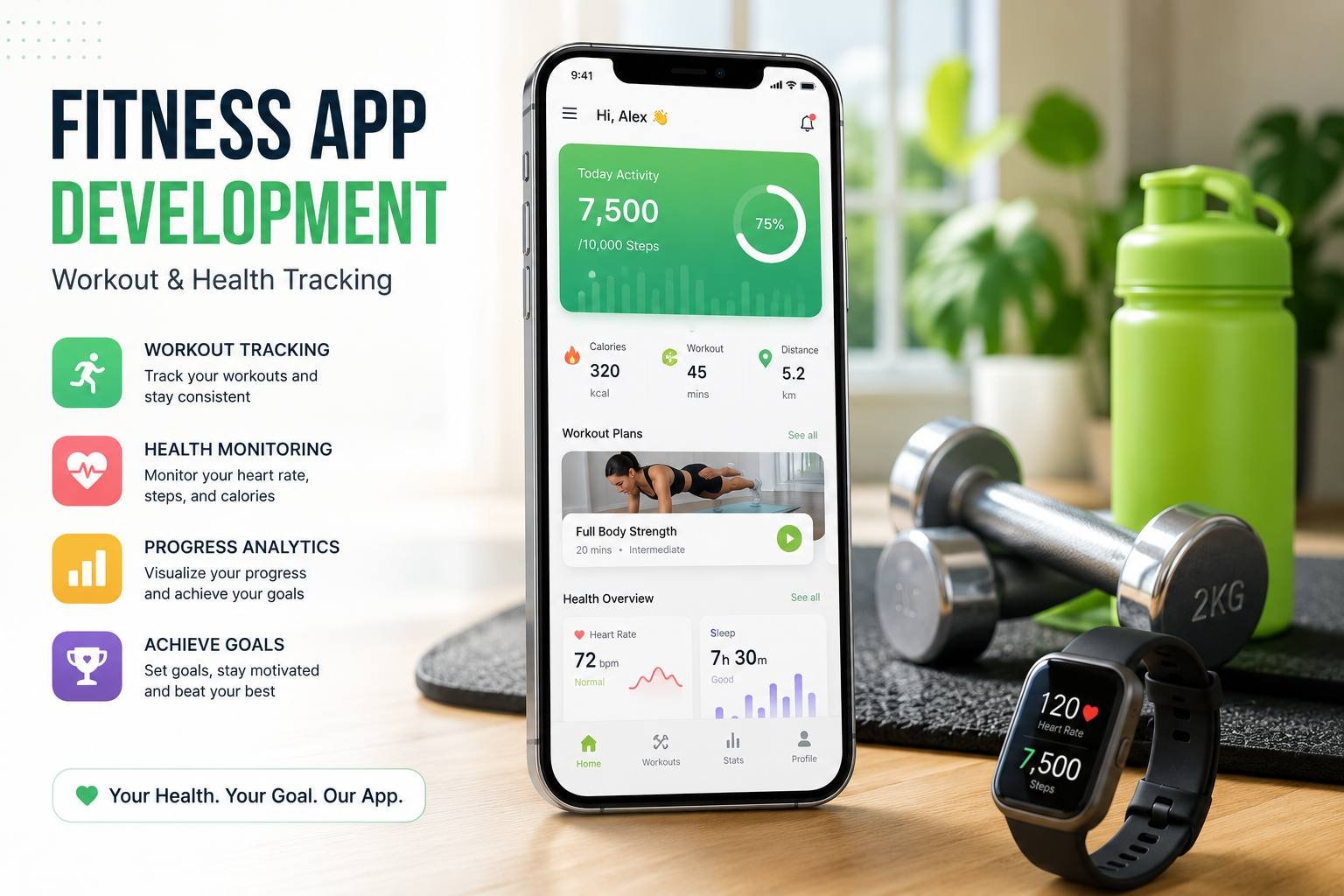
Fitness app development is the process of designing, developing, testing, and deploying mobile or web applications that help users improve their physical fitness, monitor health metrics, follow workout programs, and achieve wellness goals.
Modern fitness applications enable users to:
- Track Daily Activities
- Follow Personalized Workout Plans
- Monitor Calories Burned
- Count Daily Steps
- Track Sleep Quality
- Monitor Heart Rate
- Record Water Intake
- Create Nutrition Plans
- Book Personal Trainers
- Connect Wearable Devices
A complete fitness ecosystem generally includes:
- User Mobile App
- Trainer Dashboard
- Admin Panel
- Workout Management System
- Nutrition Management
- Health Tracking Module
- Notification System
- Analytics Dashboard
Together, these components create a personalized fitness experience that improves user engagement and long-term health outcomes.
Why Fitness Apps Are Growing Rapidly
The fitness industry has experienced tremendous growth due to increasing awareness of health, wellness, and preventive healthcare.
Several factors are contributing to this growth:
- Rising Health Awareness
- Smartphone Adoption
- Wearable Device Popularity
- Home Workout Trends
- AI-Based Personal Coaching
- Personalized Fitness Programs
- Growing Wellness Industry
- Corporate Wellness Initiatives
- Flexible Workout Schedules
- Digital Healthcare Integration
These trends have made fitness app development one of the fastest-growing sectors in the mobile application industry.
Types of Fitness Apps
Different fitness businesses require different types of applications based on their audience and services.
Workout Apps
Workout applications provide structured exercise routines designed for users with different fitness levels and goals.
Popular features include:
- Exercise Library
- Video Demonstrations
- Workout Schedules
- Progress Tracking
- Daily Challenges
These apps are suitable for fitness startups, gyms, and personal trainers.
Personal Training Apps
Personal trainer applications connect certified trainers with clients through digital coaching and customized workout plans.
Key features include:
- Trainer Profiles
- Personalized Workout Plans
- Video Coaching
- Live Sessions
- Progress Reports
These platforms enable trainers to expand their services beyond physical locations.
Health Tracking Apps
Health tracking applications monitor various health metrics to help users maintain a healthy lifestyle.
Common tracking features include:
- Daily Steps
- Calories Burned
- Heart Rate
- Blood Pressure
- Sleep Monitoring
- Water Intake
These apps often integrate with wearable devices for real-time health data.
Nutrition & Diet Apps
Nutrition applications help users improve their eating habits and maintain balanced diets.
Core features include:
- Meal Planning
- Calorie Counter
- Nutrition Database
- Water Tracker
- Diet Recommendations
Weight Loss Apps
Weight management applications assist users in achieving healthy weight goals.
Popular capabilities include:
- Weight Tracking
- BMI Calculator
- Calorie Monitoring
- Goal Setting
- Progress Reports
Yoga & Meditation Apps
These applications focus on improving physical flexibility, mindfulness, and mental well-being.
Features include:
- Guided Yoga Sessions
- Meditation Programs
- Breathing Exercises
- Stress Tracking
- Daily Wellness Plans
Running & Cycling Apps
These platforms help users monitor outdoor activities and improve athletic performance.
Common features include:
- GPS Tracking
- Route Mapping
- Distance Tracking
- Speed Monitoring
- Activity History
Wearable Fitness Apps
Wearable-integrated applications synchronize with smart devices to collect health and activity data automatically.
Supported devices often include:
- Apple Watch
- Fitbit
- Garmin
- Samsung Galaxy Watch
- Wear OS Devices
Gym Management Apps
Gym management applications help fitness centers streamline operations while improving member engagement.
Popular modules include:
- Membership Management
- Class Scheduling
- Attendance Tracking
- Trainer Management
- Billing & Payments
Corporate Wellness Apps
Corporate wellness platforms help organizations improve employee health and productivity.
Common features include:
- Wellness Challenges
- Activity Tracking
- Health Assessments
- Rewards Programs
- Employee Reports
How Fitness Apps Work
Although users enjoy a simple and intuitive interface, multiple technologies work together in the background to provide a seamless fitness experience.
A typical workflow includes:
- Users register and create a personal profile.
- Fitness goals such as weight loss, muscle gain, or general wellness are selected.
- Personalized workout and nutrition plans are generated.
- Users complete workouts and log activities.
- Health data is synchronized from wearable devices or manually entered.
- Progress is tracked through reports, charts, and performance insights.
- Daily reminders encourage workout consistency and healthy habits.
- Users communicate with trainers or nutritionists if required.
- AI analyzes activity patterns and recommends personalized improvements.
This workflow helps users stay motivated while making it easier to achieve long-term fitness goals.
Business Models
Choosing the right monetization strategy is essential for building a profitable fitness platform.
Subscription Plans
Users pay monthly or yearly fees to access premium workout programs, health tracking, and exclusive content.
Subscription models provide recurring revenue and long-term customer retention.
Premium Membership
Premium members gain access to advanced features such as:
- Personalized Coaching
- Nutrition Plans
- Live Classes
- AI Recommendations
- Exclusive Challenges
In-App Purchases
Users can purchase additional workout plans, meal plans, meditation sessions, or premium fitness content directly within the application.
Personal Trainer Booking
Fitness professionals can offer one-on-one coaching sessions, and the platform earns revenue through booking commissions or service fees.
Nutrition Consultation
Certified nutritionists can provide personalized diet plans and consultations through the platform, creating another valuable revenue stream.
Advertisement Revenue
Free fitness applications can generate income by displaying advertisements from wellness brands, supplement companies, sports equipment manufacturers, and health service providers.
Corporate Wellness Packages
Businesses can subscribe to enterprise wellness solutions that support employee health, fitness challenges, and performance tracking.
This creates stable, long-term B2B revenue opportunities.
Essential User App Features
A modern fitness application should provide an engaging, personalized, and easy-to-use experience that motivates users to stay consistent with their health goals.
Essential features include:
- User Registration & Login
- Personalized Workout Plans
- Exercise Library
- HD Video Tutorials
- Daily Challenges
- Activity Tracking
- Calorie Counter
- Nutrition Tracking
- Water Intake Tracker
- Sleep Monitoring
- Goal Setting
- Progress Reports
- Wearable Device Integration
- Push Notifications
- Secure Payments
These features improve user engagement, encourage long-term retention, and create a more personalized fitness experience.
Trainer App Features
Fitness trainers require dedicated tools to manage clients, monitor progress, and deliver personalized coaching.
Key features include:
- Trainer Registration
- Client Management
- Workout Plan Builder
- Nutrition Plan Management
- Live Coaching Sessions
- Progress Monitoring
- Client Messaging
- Appointment Scheduling
- Earnings Dashboard
- Performance Analytics
These capabilities help trainers efficiently manage multiple clients while delivering a high-quality coaching experience.
Admin Panel Features
The admin dashboard acts as the central control system for managing the entire fitness platform.
Core functionalities include:
- Dashboard Overview
- User Management
- Trainer Verification
- Workout Library Management
- Subscription Management
- Payment Management
- Reports & Analytics
- Content Management System (CMS)
- Notification Management
- Role & Permission Management
A comprehensive admin panel ensures smooth platform operations while maintaining content quality, user security, and business growth.
Recommended Technology Stack
Selecting the right technology stack is critical for building a scalable, secure, and high-performance fitness application.
Mobile Development
- Flutter
- React Native
- Kotlin
- Swift
Backend Development
Database
Cloud Infrastructure
- AWS
- Google Cloud Platform
- Microsoft Azure
Health & Wearable Integration
- Apple HealthKit
- Google Fit
- Fitbit API
- Garmin API
Storage
A modern technology stack ensures seamless performance, secure health data management, reliable wearable integrations, and long-term scalability.
Fitness App Development Process
Developing a successful fitness application requires a strategic approach that combines engaging user experiences, reliable health tracking, wearable integrations, and scalable cloud infrastructure. Whether you're building a workout app, gym management platform, personal trainer marketplace, or AI-powered wellness solution, following a structured development process helps ensure long-term success.
1. Discovery & Requirement Analysis
Every successful fitness app begins with understanding business objectives, target users, and fitness goals.
This phase includes:
- Market Research
- Competitor Analysis
- User Persona Development
- Business Requirement Gathering
- Feature Planning
- Monetization Strategy
- Technical Architecture
2. UI/UX Design
Fitness applications should be visually engaging, easy to navigate, and motivating for users of all fitness levels.
The design process includes:
- User Journey Mapping
- Wireframes
- Interactive Prototypes
- User App Design
- Trainer Dashboard
- Admin Panel Design
- Responsive Interface
A well-designed UI encourages users to stay active and consistently engage with the application.
3. Backend Development
The backend manages workouts, nutrition plans, subscriptions, analytics, and wearable integrations.
Core backend modules include:
- User Authentication
- Workout Management
- Nutrition Management
- Trainer Management
- Subscription Management
- Progress Tracking
- Push Notifications
- Payment Management
- Analytics Dashboard
- API Management
4. Mobile App Development
Most fitness platforms are launched for both Android and iOS users.
Popular development technologies include:
- Flutter
- React Native
- Kotlin
- Swift
Cross-platform development reduces development costs while providing a consistent user experience.
5. API Integration
Fitness applications rely on multiple third-party APIs for enhanced functionality.
Common integrations include:
- Wearable Devices
- Payment Gateway
- Authentication
- Push Notifications
- Maps & GPS
- Cloud Storage
- Analytics Services
6. Testing & Quality Assurance
Before launch, the application should undergo comprehensive testing to ensure smooth performance and reliability.
Testing includes:
- Functional Testing
- UI/UX Testing
- API Testing
- Performance Testing
- Security Testing
- Device Compatibility Testing
- Load Testing
7. Deployment
Once testing is complete, the application is published and configured for production.
Deployment includes:
- Google Play Store
- Apple App Store
- Cloud Hosting
- CDN Configuration
- Monitoring Tools
8. Maintenance & Continuous Improvement
Successful fitness applications evolve continuously based on user feedback and technological advancements.
Post-launch services include:
- Bug Fixes
- Performance Optimization
- Feature Enhancements
- Security Updates
- Cloud Monitoring
- Technical Support
Fitness App Development Cost
The cost of developing a fitness application depends on platform complexity, wearable integrations, AI capabilities, cloud infrastructure, and subscription features.
Estimated Pricing (INR)
| Platform Type |
Estimated Cost |
| Basic Fitness App |
₹5,00,000 – ₹10,00,000 |
| Standard Workout & Health Tracking App |
₹10,00,000 – ₹20,00,000 |
| Advanced Fitness Platform (Like MyFitnessPal or Fittr) |
₹20,00,000 – ₹45,00,000 |
| Enterprise Fitness Ecosystem |
₹45,00,000+ (Custom Pricing) |
Factors Affecting Development Cost
Several factors influence the final project budget:
- Android & iOS Development
- UI/UX Design Complexity
- AI-Powered Recommendations
- Wearable Device Integration
- Nutrition Tracking
- Live Coaching Features
- Cloud Infrastructure
- Third-Party API Integrations
- Subscription Management
- Ongoing Maintenance & Support
Development Timeline
The development timeline depends on feature requirements and project complexity.
| Development Phase |
Estimated Duration |
| Planning & Research |
1–2 Weeks |
| UI/UX Design |
2–4 Weeks |
| Backend Development |
5–8 Weeks |
| Mobile App Development |
8–12 Weeks |
| Testing & QA |
2–4 Weeks |
| Deployment |
1 Week |
A production-ready fitness application generally takes 4–6 months to design, develop, test, and launch.
Essential API Integrations
Modern fitness apps depend on trusted third-party APIs to deliver advanced health tracking and personalized experiences.
Authentication
- Firebase Authentication
- Google Sign-In
- Apple Sign-In
Payments
Health & Wearables
- Apple HealthKit
- Google Fit
- Fitbit API
- Garmin API
Notifications
- Firebase Cloud Messaging (FCM)
- OneSignal
Cloud Storage
Analytics
- Firebase Analytics
- Google Analytics
AI Features for Fitness Apps
Artificial Intelligence is transforming fitness applications by providing personalized recommendations and real-time health insights.
Popular AI-powered features include:
- AI Workout Recommendations
- AI Personal Fitness Coach
- AI Nutrition Planner
- AI Calorie Estimation
- AI Exercise Form Detection
- AI Health Insights
- AI Goal Recommendations
- AI Progress Prediction
- AI Fitness Chatbot
- AI Personalized Meal Plans
These capabilities improve user engagement, encourage consistency, and deliver customized fitness experiences.
Security Best Practices
Fitness applications collect sensitive health information, making security and privacy essential.
Recommended security measures include:
- Secure Authentication
- Multi-Factor Authentication (MFA)
- HTTPS Communication
- Secure APIs
- Role-Based Access Control
- Data Encryption
- Secure Cloud Storage
- Privacy Controls
- Audit Logs
- Backup & Disaster Recovery
A security-first approach helps protect user data and builds trust in your platform.
Common Challenges
Developing a fitness application involves several technical and business challenges.
Common challenges include:
- User Retention
- Workout Personalization
- Wearable Device Compatibility
- Health Data Accuracy
- Subscription Management
- Real-Time Data Synchronization
- Cross-Platform Compatibility
- Platform Scalability
- User Motivation
- Ongoing Maintenance
Addressing these challenges early helps create a reliable and engaging fitness platform.
Fitness App vs Health Tracking App
| Feature |
Fitness App |
Health Tracking App |
| Primary Purpose |
Workouts & Fitness Goals |
Health Monitoring |
| Workout Plans |
✅ Yes |
Limited |
| Nutrition Tracking |
✅ Yes |
Basic |
| Wearable Integration |
✅ Yes |
✅ Yes |
| AI Coaching |
✅ Yes |
Limited |
| Health Metrics |
Basic |
Advanced |
| Revenue Model |
Subscription, Coaching |
Subscription, Enterprise |
| Target Users |
Fitness Enthusiasts |
General Health Users |
A fitness app focuses on helping users improve physical fitness, while a health tracking app emphasizes monitoring health metrics and wellness data.
Benefits of Fitness App Development
Fitness applications provide measurable benefits for users, trainers, gyms, and wellness businesses.
Key advantages include:
- Better User Engagement
- Personalized Fitness Experience
- Continuous Health Monitoring
- Increased Revenue Opportunities
- Subscription-Based Business Growth
- Global Audience Reach
- Better Customer Retention
- Improved Trainer Productivity
- Data-Driven Health Insights
- Scalable Digital Fitness Business
These benefits make fitness apps a valuable investment for businesses looking to expand in the health and wellness industry.
Future Trends
The fitness technology landscape continues to evolve with emerging innovations that improve user experiences.
Key trends include:
- AI Fitness Coaches
- AR/VR Workout Experiences
- Wearable Technology Integration
- Smart Gym Ecosystems
- Personalized Nutrition Planning
- Predictive Health Analytics
- Voice-Based Fitness Assistants
- Gamified Fitness Challenges
- Social Fitness Communities
- Digital Wellness Platforms
Businesses adopting these technologies will deliver more engaging, personalized, and future-ready fitness experiences.
Why Businesses Choose Argenius
At Argenius, we specialize in developing secure, scalable, and feature-rich fitness applications tailored to gyms, personal trainers, wellness brands, healthcare organizations, and fitness startups.
Our fitness app development services include:
- Custom Fitness App Development
- Workout & Health Tracking Apps
- Personal Trainer Platforms
- Gym Management Solutions
- AI-Powered Fitness Applications
- Flutter & React Native Development
- Wearable Device Integration
- Cloud Infrastructure & API Integration
- Long-Term Maintenance & Support
Whether you're launching a fitness startup, wellness platform, or enterprise health solution, Argenius delivers innovative applications that help your business grow and keep users engaged.
Final Thoughts
The fitness industry is rapidly evolving as users seek convenient, personalized, and data-driven ways to achieve their health goals. Modern fitness applications combine workout guidance, nutrition planning, wearable technology, AI-powered coaching, and progress tracking to create engaging experiences that motivate users over the long term.
Building a successful fitness app requires the right technology stack, intuitive design, robust security, and scalable infrastructure. By focusing on user engagement and continuous innovation, businesses can create fitness platforms that stand out in a competitive market.
If you're planning to build a workout app, health tracking solution, gym management platform, or AI-powered wellness application, partnering with Argenius can help you create a secure, scalable, and future-ready digital fitness solution.
Frequently Asked Questions
How much does fitness app development cost?
A basic fitness app typically costs ₹5 lakh–₹10 lakh, while advanced fitness platforms with AI coaching, wearable integration, nutrition tracking, and premium features generally range from ₹20 lakh–₹45 lakh or more, depending on the project scope.
How long does it take to develop a fitness app?
A production-ready fitness application generally takes 4–6 months, depending on the number of features, integrations, and customization requirements.
Which technologies are best for fitness app development?
Flutter and React Native are excellent for cross-platform mobile development, while Laravel, Node.js, and Django are popular backend technologies. Apple HealthKit, Google Fit, AWS, PostgreSQL, and Firebase are widely used for health tracking and cloud infrastructure.
What are the essential features of a fitness app?
Key features include workout plans, exercise videos, nutrition tracking, calorie counting, activity monitoring, wearable integration, goal tracking, progress reports, push notifications, and secure payment options.
How does AI improve fitness applications?
AI personalizes workout routines, recommends nutrition plans, analyzes exercise performance, predicts progress, estimates calories, and provides virtual coaching to help users achieve better fitness results.
Can fitness apps integrate with wearable devices?
Yes. Modern fitness apps can integrate with Apple HealthKit, Google Fit, Fitbit, Garmin, and other wearable platforms to synchronize health metrics in real time.
Can Argenius develop a custom fitness application?
Yes. Argenius provides end-to-end fitness app development services, including workout apps, health tracking platforms, gym management systems, AI-powered fitness solutions, wearable integrations, cloud deployment, and long-term maintenance.