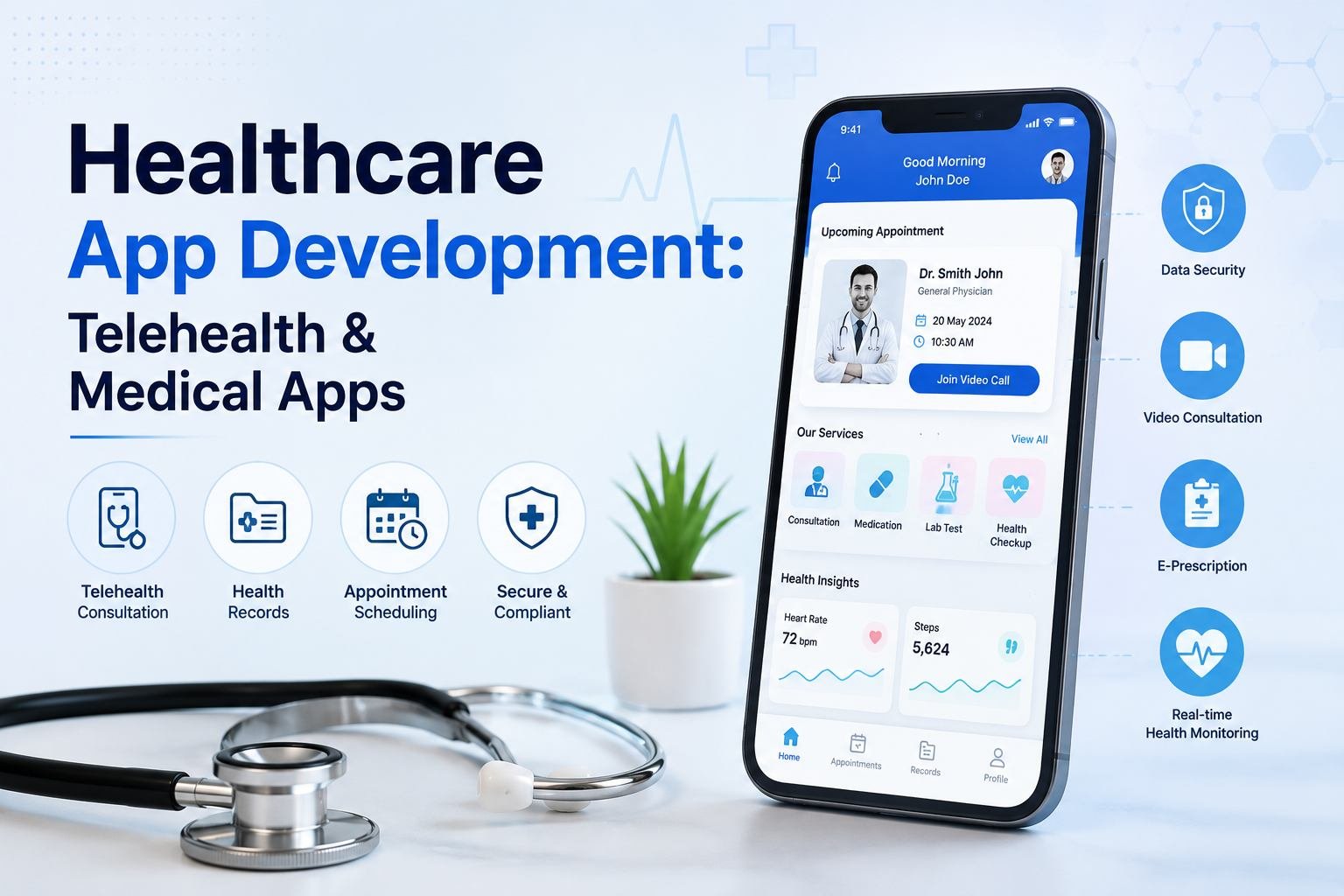
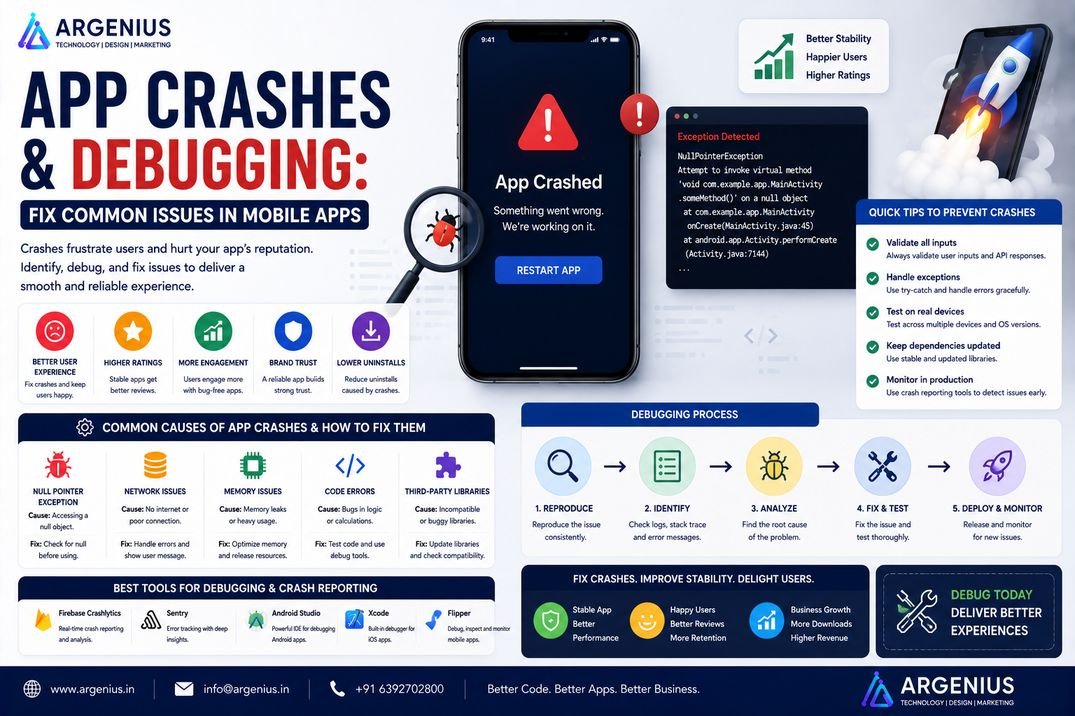
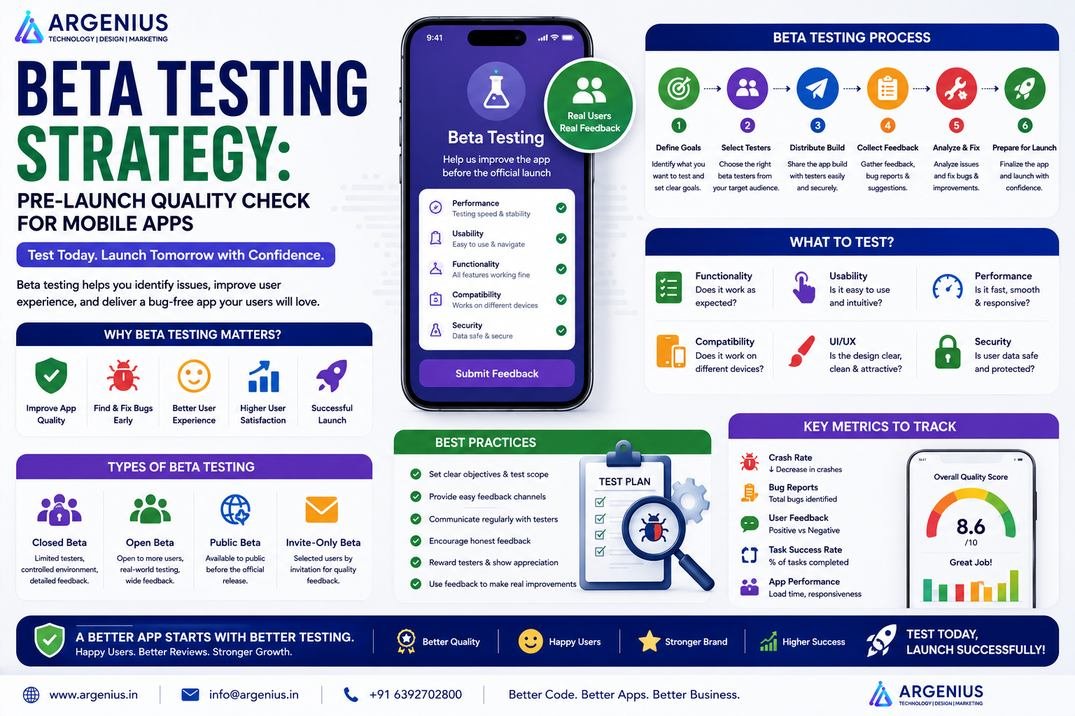
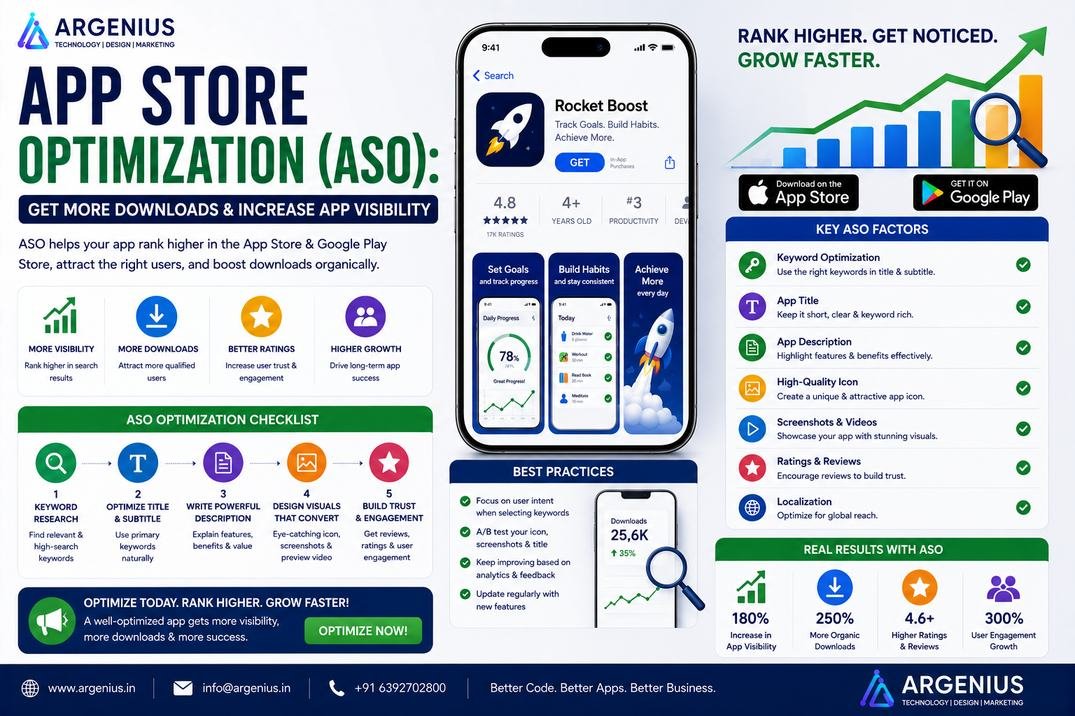
Healthcare mobile applications are transforming the way patients connect with doctors, hospitals, pharmacies, and healthcare providers. Whether you're planning a telemedicine platform, doctor consultation app, hospital management solution, or medical records application, this complete guide explains everything you need to know about healthcare app development, including features, technology stack, AI capabilities, security, compliance, development costs, and future trends.
Introduction
Healthcare has rapidly embraced digital transformation over the past decade. Patients no longer need to visit hospitals for every consultation, wait in long queues, or manage paper-based medical records. Modern healthcare applications have made it possible to book appointments, consult doctors through video calls, access digital prescriptions, monitor health conditions, and receive personalized care directly from a smartphone.
The demand for healthcare and telehealth applications continues to grow as hospitals, clinics, diagnostic centers, pharmacies, and healthcare startups invest in digital solutions that improve patient experiences and operational efficiency. From online doctor consultation platforms to remote patient monitoring systems, healthcare apps are reshaping the future of medical services.
Developing a successful healthcare application requires more than an attractive interface. It demands secure patient data management, real-time communication, compliance with healthcare regulations, AI-powered diagnostics, seamless third-party integrations, and a scalable cloud infrastructure capable of supporting thousands of concurrent users.
In this comprehensive guide, you'll learn everything about Healthcare App Development, including app types, business models, essential features, technology stack, development process, costs, AI capabilities, security best practices, and future trends.
At Argenius, we develop secure, scalable, and feature-rich healthcare applications that help healthcare providers deliver accessible, efficient, and patient-centric digital services.
What is a Healthcare App?
A healthcare app is a mobile or web application designed to improve healthcare delivery by connecting patients, doctors, hospitals, pharmacies, laboratories, and healthcare providers through a digital platform.
Healthcare applications simplify medical services by enabling users to:
- Book Doctor Appointments
- Consult Doctors Online
- Access Medical Records
- Order Medicines
- Schedule Lab Tests
- Receive Digital Prescriptions
- Track Health Metrics
- Make Secure Online Payments
A complete healthcare solution typically includes:
- Patient Mobile App
- Doctor Mobile App
- Admin Dashboard
- Hospital Management Portal
- Appointment Management System
- Electronic Health Records (EHR)
- Notification System
- Analytics Dashboard
Together, these components create a connected ecosystem that improves communication, streamlines workflows, and enhances patient care.
Types of Healthcare Apps
Healthcare applications are built to solve different medical and operational needs. Selecting the right type of application depends on your target audience and business objectives.
Telemedicine Apps
Telemedicine applications allow patients to consult doctors remotely through video, voice, or chat without visiting a clinic.
Key features include:
- Video Consultations
- Audio Calls
- Secure Messaging
- Digital Prescriptions
- Follow-Up Appointments
Telemedicine platforms improve accessibility, especially for patients in remote areas.
Doctor Consultation Apps
Doctor consultation apps simplify appointment scheduling and enable patients to connect with specialists quickly.
Common features include:
- Doctor Search
- Online Booking
- Appointment Calendar
- Ratings & Reviews
- Digital Prescriptions
- Consultation History
Hospital Management Apps
Hospitals use dedicated applications to streamline daily operations and improve patient management.
Core functionalities include:
- Patient Registration
- Staff Management
- Appointment Scheduling
- Billing
- Electronic Medical Records
- Inventory Management
Appointment Booking Apps
These applications focus on helping patients schedule appointments with doctors, clinics, hospitals, and diagnostic centers.
Important features include:
- Doctor Availability
- Calendar Integration
- Appointment Reminders
- Online Payments
- Rescheduling
Pharmacy & Medicine Delivery Apps
Medicine delivery platforms allow users to upload prescriptions, purchase medicines, and receive home delivery.
Common features include:
- Medicine Search
- Prescription Upload
- Online Payment
- Order Tracking
- Delivery Notifications
Electronic Health Record (EHR) Apps
EHR applications securely store and manage patient medical histories in a digital format.
Features include:
- Medical Records
- Lab Reports
- Prescriptions
- Vaccination History
- Doctor Notes
- Health Timeline
Fitness & Wellness Apps
Fitness applications encourage healthy lifestyles through personalized activity tracking and wellness programs.
Popular features include:
- Workout Tracking
- Nutrition Plans
- Water Intake Monitoring
- Sleep Tracking
- Goal Management
Mental Health Apps
Mental wellness platforms provide digital access to therapy, counseling, meditation, and emotional well-being resources.
Common capabilities include:
- Therapist Booking
- Guided Meditation
- Mood Tracking
- Journaling
- Secure Messaging
Remote Patient Monitoring Apps
These applications continuously monitor patients with chronic conditions using wearable devices and connected health equipment.
Key features include:
- Vital Sign Monitoring
- Wearable Device Integration
- Emergency Alerts
- Doctor Notifications
- Health Reports
How Healthcare Apps Work
Although healthcare applications appear simple to users, multiple secure systems work together behind the scenes.
A typical workflow includes:
- Patient registers an account.
- Identity verification is completed.
- Doctor or healthcare provider is selected.
- Appointment is scheduled.
- Consultation takes place through video, voice, or chat.
- Digital prescription is generated.
- Lab tests or medicines are ordered if required.
- Medical records are securely stored.
- Notifications and reminders are sent automatically.
- Analytics help healthcare providers improve patient care.
This integrated workflow enhances convenience while ensuring secure communication and efficient healthcare delivery.
Business Models
Healthcare applications can generate revenue through multiple business models depending on the target audience and services offered.
Consultation Fees
Patients pay for online consultations with doctors through video, voice, or chat sessions.
This is one of the most common revenue models for telemedicine platforms.
Subscription Plans
Users or healthcare providers pay recurring monthly or annual subscriptions for premium services such as unlimited consultations, priority appointments, digital health records, or advanced analytics.
Recurring subscriptions provide predictable long-term revenue.
Hospital SaaS Model
Hospitals and clinics subscribe to cloud-based healthcare management software.
Typical SaaS offerings include:
- Appointment Management
- Electronic Medical Records
- Billing Systems
- Patient Management
- Analytics Dashboard
Commission-Based Model
The platform earns a commission for every successful appointment, medicine order, laboratory booking, or healthcare service.
Medicine Delivery Revenue
Healthcare businesses can generate revenue through prescription medicine delivery, healthcare products, and pharmacy partnerships.
Premium Healthcare Services
Additional revenue opportunities include:
- Annual Health Memberships
- Preventive Health Packages
- Personalized Wellness Plans
- Family Healthcare Plans
Essential Patient App Features
A patient-centric healthcare application should be easy to use, secure, and accessible across devices.
Essential features include:
- User Registration & Login
- OTP & Social Login
- Doctor Search
- Appointment Booking
- Video Consultation
- Audio Consultation
- Secure Chat
- Digital Prescriptions
- Medical Records
- Lab Reports
- Medicine Ordering
- Health Tracking
- Insurance Support
- Online Payments
- Push Notifications
- Appointment Reminders
- Ratings & Reviews
These features improve patient engagement while making healthcare services more convenient and accessible.
Doctor App Features
Doctors require dedicated tools to manage appointments, patient interactions, and clinical workflows efficiently.
Key features include:
- Doctor Registration
- Profile Verification
- Appointment Dashboard
- Calendar Management
- Patient History
- Digital Prescriptions
- Video Consultations
- Earnings Dashboard
- Availability Management
- Notifications
These features enable healthcare professionals to deliver high-quality care while improving productivity.
Admin Panel Features
The admin dashboard serves as the central control system for managing the healthcare platform.
Core functionalities include:
- Dashboard Overview
- Patient Management
- Doctor Verification
- Appointment Management
- Hospital Management
- Payment Management
- Content Management
- Notification Management
- Reports & Analytics
- System Configuration
A powerful admin panel helps maintain platform security, optimize operations, and deliver a seamless healthcare experience.
Recommended Technology Stack
Choosing the right technology stack ensures performance, scalability, and compliance with healthcare industry standards.
Mobile Development
- Flutter
- React Native
- Kotlin
- Swift
Backend Development
Database
Cloud Infrastructure
- AWS
- Google Cloud Platform
- Microsoft Azure
Real-Time Communication
Media & File Storage
Modern technologies provide secure communication, fast performance, scalability, and reliable healthcare service delivery.
Why Businesses Invest in Healthcare Apps
Healthcare organizations are increasingly investing in digital applications to improve patient outcomes, reduce operational costs, and expand access to medical services.
Major business benefits include:
- Improved Patient Experience
- Remote Healthcare Access
- Increased Operational Efficiency
- Digital Medical Records
- Better Patient Engagement
- Faster Appointment Management
- Higher Revenue Opportunities
- Reduced Administrative Work
- Data-Driven Decision Making
- Long-Term Business Growth
Healthcare applications not only improve patient satisfaction but also help hospitals, clinics, and healthcare startups build scalable, future-ready digital healthcare ecosystems.
Healthcare App Development Process
Developing a healthcare application requires a structured approach that prioritizes patient safety, data security, regulatory compliance, and an exceptional user experience. Whether you're building a telemedicine platform, a hospital management solution, or a medical consultation app, following a proven development process helps ensure long-term success.
1. Requirement Analysis & Healthcare Compliance
The first step is understanding your business objectives, target users, and healthcare regulations.
This stage includes:
- Market Research
- Business Goals
- User Personas
- Feature Planning
- Compliance Requirements
- Technical Architecture
2. UI/UX Design
Healthcare applications should be simple, accessible, and easy to navigate for patients of all ages.
The design phase includes:
- User Journey Mapping
- Wireframes
- Interactive Prototypes
- Patient App Design
- Doctor App Design
- Admin Dashboard Design
3. Backend Development
The backend serves as the foundation of the healthcare ecosystem.
Core backend modules include:
- User Authentication
- Doctor Management
- Appointment Scheduling
- Patient Records
- E-Prescriptions
- Payment Management
- Notification System
- Analytics Dashboard
- Admin Controls
- API Integrations
4. Mobile App Development
Applications are typically developed for:
Using Flutter or React Native enables faster development with a shared codebase while maintaining native-like performance.
5. Testing & Quality Assurance
Healthcare software must be thoroughly tested before launch.
Testing includes:
- Functional Testing
- UI/UX Testing
- API Testing
- Performance Testing
- Security Testing
- Device Compatibility Testing
- Load Testing
6. Deployment
After successful testing, the application is published and configured for production.
Deployment includes:
- Google Play Store
- Apple App Store
- Cloud Infrastructure Setup
- CDN Configuration
- Monitoring Tools
7. Maintenance & Continuous Improvement
Healthcare applications require ongoing improvements to remain secure and compliant.
Post-launch services include:
- Bug Fixes
- Performance Optimization
- Feature Updates
- Security Patches
- Cloud Monitoring
- Technical Support
Healthcare App Development Cost
The development cost depends on the application's complexity, compliance requirements, AI capabilities, real-time communication, third-party integrations, and scalability.
Estimated Pricing (INR)
| Healthcare Solution |
Estimated Cost |
| Basic Healthcare App |
₹6,00,000 – ₹12,00,000 |
| Telemedicine / Doctor Consultation App |
₹12,00,000 – ₹25,00,000 |
| Advanced Healthcare Platform |
₹25,00,000 – ₹50,00,000 |
| Enterprise Healthcare Ecosystem |
₹50,00,000+ (Custom Pricing) |
Factors Affecting Development Cost
The final project cost depends on several factors, including:
- Android & iOS Development
- UI/UX Complexity
- Video Consultation
- Electronic Health Records (EHR)
- AI Features
- Cloud Infrastructure
- Third-Party API Integrations
- Security & Compliance
- Multi-Language Support
- Ongoing Maintenance
Development Timeline
The estimated timeline varies based on project scope and custom features.
| Development Phase |
Estimated Duration |
| Planning & Research |
1–2 Weeks |
| UI/UX Design |
2–4 Weeks |
| Backend Development |
5–8 Weeks |
| Mobile App Development |
8–12 Weeks |
| Testing & QA |
2–4 Weeks |
| Deployment |
1 Week |
A production-ready healthcare application generally takes 4–7 months to develop.
Essential API Integrations
Third-party APIs help improve functionality while reducing development time.
Authentication
- Firebase Authentication
- Google Sign-In
- Apple Sign-In
Video Consultation
Payments
Notifications
- Firebase Cloud Messaging (FCM)
- OneSignal
Maps & Location
Health Platforms
- Apple HealthKit
- Google Fit
Cloud Storage
Analytics
- Firebase Analytics
- Google Analytics
AI Features for Healthcare Apps
Artificial Intelligence is transforming healthcare by improving diagnosis, patient engagement, and operational efficiency.
Popular AI-powered features include:
- AI Symptom Checker
- AI Medical Chatbot
- AI Appointment Scheduling
- AI Health Risk Prediction
- AI Disease Detection
- AI Prescription Assistance
- AI Medical Image Analysis
- AI Personalized Health Insights
- AI Patient Monitoring
- AI Report Summarization
AI enables healthcare providers to deliver faster, smarter, and more personalized care.
Security Best Practices
Healthcare applications manage highly sensitive patient information, making security one of the most critical aspects of development.
Recommended security practices include:
- End-to-End Encryption
- HTTPS Communication
- Multi-Factor Authentication (MFA)
- Role-Based Access Control
- Secure APIs
- Data Encryption at Rest
- Audit Logs
- Secure Cloud Storage
- Backup & Disaster Recovery
- Patient Consent Management
Strong security measures help build trust while protecting sensitive healthcare data.
Common Challenges
Healthcare software development presents several technical and operational challenges.
Common challenges include:
- Protecting Patient Data
- Regulatory Compliance
- High Availability
- Video Consultation Quality
- Integration with Hospital Systems
- Electronic Health Record Synchronization
- Scalability
- Third-Party Integrations
- User Adoption
- Ongoing Maintenance
Addressing these challenges early helps create a secure and reliable healthcare platform.
Healthcare App vs Hospital Management Software
| Feature |
Healthcare App |
Hospital Management Software |
| Primary Users |
Patients |
Hospitals & Staff |
| Appointment Booking |
✅ Yes |
✅ Yes |
| Online Consultation |
✅ Yes |
Limited |
| Medical Records |
✅ Yes |
✅ Yes |
| Billing |
Basic |
Advanced |
| Inventory Management |
❌ No |
✅ Yes |
| Patient Monitoring |
✅ Yes |
Limited |
| Accessibility |
Mobile & Web |
Primarily Web/Desktop |
Both solutions complement each other and can be integrated into a unified healthcare ecosystem.
Benefits of Healthcare App Development
Healthcare applications provide significant advantages for patients, healthcare providers, and medical organizations.
Major benefits include:
- Improved Patient Experience
- 24/7 Healthcare Accessibility
- Reduced Hospital Workload
- Better Appointment Management
- Secure Digital Medical Records
- Increased Operational Efficiency
- Enhanced Patient Engagement
- Remote Healthcare Services
- Higher Revenue Opportunities
- Scalable Digital Healthcare Solutions
These benefits make healthcare applications a valuable long-term investment.
Future Trends
Healthcare technology continues to evolve with innovations in AI, IoT, and connected healthcare.
Emerging trends include:
- AI-Powered Telemedicine
- Wearable Device Integration
- Remote Patient Monitoring
- Internet of Medical Things (IoMT)
- Voice-Based Healthcare Assistants
- Blockchain Medical Records
- AR/VR for Medical Training & Consultation
- Predictive Healthcare Analytics
- Digital Therapeutics
- Personalized Medicine
Organizations adopting these technologies will be better positioned to deliver advanced, patient-centric healthcare services.
Why Businesses Choose Argenius
At Argenius, we build secure, scalable, and feature-rich healthcare applications tailored to hospitals, clinics, telemedicine providers, diagnostic centers, pharmacies, and healthcare startups. Our expertise covers UI/UX design, Android and iOS development, backend engineering, AI-powered healthcare solutions, video consultation platforms, cloud deployment, API integrations, and ongoing maintenance.
Whether you're launching a doctor consultation app, a telemedicine platform, a hospital management system, or a digital health solution, Argenius delivers reliable technology designed for performance, compliance, and long-term growth.
Final Thoughts
Healthcare applications are redefining how medical services are delivered by making care more accessible, efficient, and patient-focused. From online consultations and digital prescriptions to AI-assisted diagnostics and remote monitoring, modern healthcare apps improve outcomes for both patients and providers.
Choosing the right technology stack, implementing strong security, ensuring regulatory compliance, and continuously enhancing the platform are essential for building a successful healthcare solution.
If you're planning to develop a healthcare application, partnering with an experienced development company like Argenius can help transform your vision into a secure, scalable, and future-ready digital healthcare platform.
Frequently Asked Questions
How much does healthcare app development cost?
A basic healthcare application typically starts from ₹6 lakh, while advanced telemedicine platforms with AI, video consultation, and EHR integration generally range from ₹25 lakh to ₹50 lakh or more, depending on the project scope.
How long does it take to build a healthcare app?
A production-ready healthcare application usually takes 4–7 months, depending on the required features and integrations.
Which technology is best for healthcare app development?
Flutter and React Native are excellent for cross-platform mobile apps, while Laravel and Node.js are popular backend choices. AWS, Firebase, WebRTC, and PostgreSQL are commonly used to build scalable healthcare platforms.
What are the essential features of a telemedicine app?
Core features include doctor search, appointment booking, video consultation, secure chat, e-prescriptions, digital medical records, online payments, notifications, and patient history management.
Why is AI important in healthcare applications?
AI helps automate symptom analysis, improve diagnosis support, optimize appointment scheduling, personalize healthcare recommendations, and enhance operational efficiency.
How do healthcare apps protect patient data?
Healthcare apps use encryption, secure authentication, role-based access controls, secure APIs, audit logs, and regular security updates to protect sensitive medical information.
Can Argenius build a custom healthcare application?
Yes. Argenius offers end-to-end healthcare app development services, including telemedicine platforms, doctor consultation apps, hospital management systems, AI-powered healthcare solutions, cloud deployment, testing, and long-term maintenance.