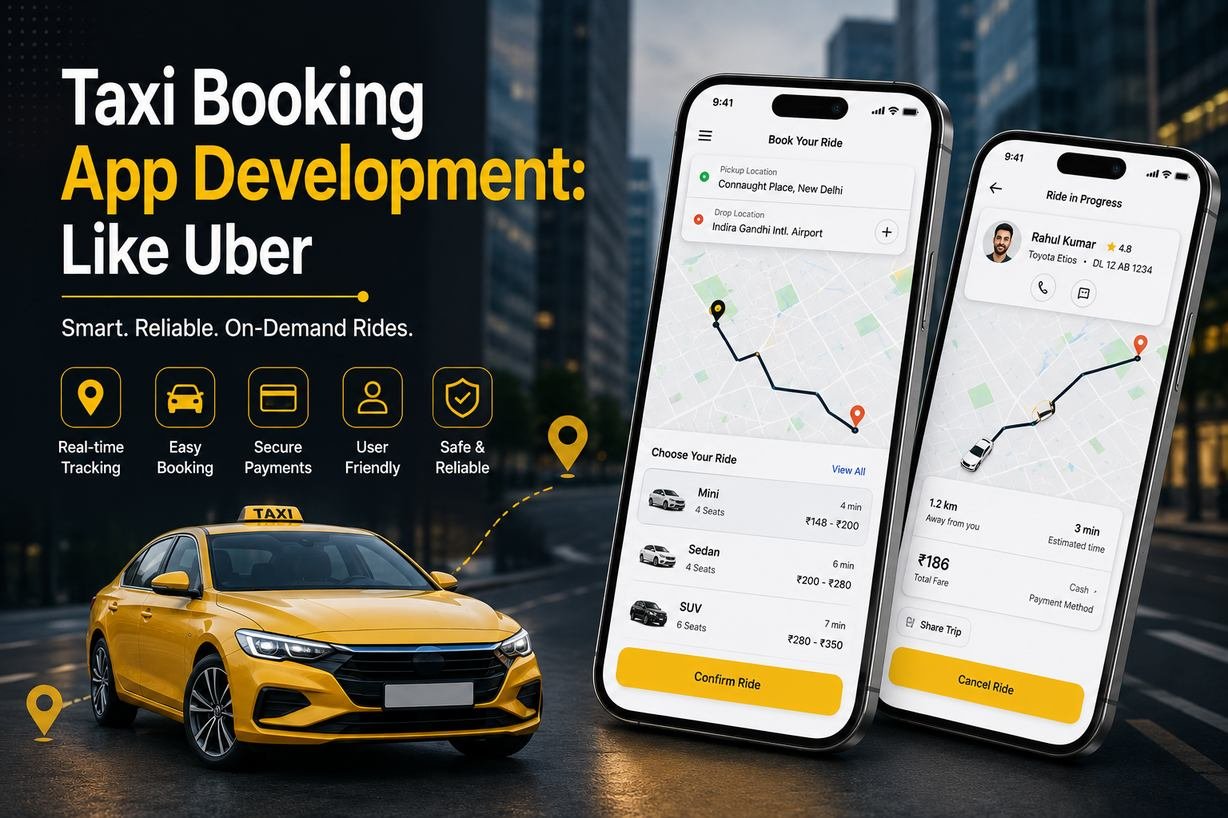
Taxi booking applications have revolutionized urban transportation by making ride booking simple, fast, and convenient. Whether you're building a local cab service, a ride-hailing marketplace, or a corporate transportation platform, this complete guide covers everything you need to know about taxi booking app development.
Introduction
The transportation industry has experienced a major digital transformation over the past decade. Instead of calling local taxi operators or waiting on the roadside, customers now expect to book rides instantly through their smartphones, track drivers in real time, make secure online payments, and receive transparent fare estimates.
The success of platforms like Uber, Lyft, Ola, and Bolt has inspired businesses worldwide to launch their own taxi booking applications. From local cab operators and fleet owners to transportation startups and enterprise mobility providers, digital ride-booking solutions have become an essential part of modern transportation services.
However, developing a successful taxi booking application involves much more than displaying a map and allowing users to request rides. A scalable platform requires GPS tracking, intelligent driver matching, secure payment processing, real-time communication, route optimization, ride history, driver management, analytics, and robust backend infrastructure.
In this guide, you'll learn everything about Taxi Booking App Development, including business models, essential features, technology stack, development process, estimated costs, AI-powered capabilities, and future industry trends.
At Argenius, we build secure, scalable, and feature-rich taxi booking applications that help businesses deliver seamless transportation experiences while supporting long-term growth.
What is a Taxi Booking App?
A taxi booking app is a mobile platform that connects passengers with nearby drivers through real-time location tracking and digital ride management.
The application allows users to:
- Book rides instantly
- Schedule future rides
- View fare estimates
- Track drivers live
- Make online payments
- Rate completed trips
A complete taxi booking solution generally includes:
- Customer Mobile App
- Driver Mobile App
- Admin Dashboard
- Fleet Management Panel
- GPS Tracking System
- Payment Gateway
- Notification System
Together, these components automate ride management while improving convenience for passengers and drivers alike.
Types of Taxi Booking Apps
Every transportation business has different operational requirements. Choosing the right business model is one of the most important decisions during development.
Ride-Hailing Marketplace
This model connects independent drivers with passengers through a central platform.
Popular features include:
- Instant ride booking
- Nearby driver matching
- Dynamic pricing
- Live GPS tracking
- Digital payments
This model is ideal for startups planning to build an Uber-like platform.
Fleet Management Apps
Designed for taxi companies that own and manage their own vehicles.
Benefits include:
- Fleet tracking
- Driver management
- Vehicle monitoring
- Maintenance scheduling
- Route optimization
Corporate Taxi Apps
Businesses often require dedicated transportation solutions for employees.
Common features include:
- Employee ride booking
- Department billing
- Scheduled pickups
- Expense management
- Trip reporting
Bike Taxi Apps
Bike taxi applications provide affordable transportation for short-distance travel.
Popular features include:
- Bike rider matching
- GPS tracking
- Fare calculation
- Wallet payments
- Ride history
Car Rental Applications
Unlike ride-hailing platforms, car rental apps allow customers to rent vehicles for several hours or days.
Features include:
- Vehicle selection
- Rental duration
- Security deposit
- Booking calendar
- Insurance options
How Taxi Booking Apps Work
Although booking a ride appears simple, several systems work together behind the scenes.
A typical ride workflow includes:
- Passenger registers.
- Pickup and destination are selected.
- Fare estimate is calculated.
- Ride request is submitted.
- Nearby drivers receive the request.
- Driver accepts the booking.
- Live tracking begins.
- Passenger is picked up.
- Ride is completed.
- Payment is processed.
- Ratings and reviews are collected.
Each stage depends on GPS services, APIs, secure backend infrastructure, and real-time communication.
Business Models
Selecting the right monetization strategy is essential for long-term profitability.
Commission Model
The platform charges drivers a commission on every completed ride.
This is one of the most common revenue models for ride-hailing businesses.
Subscription Model
Drivers pay a monthly or annual subscription fee to access ride requests.
This model creates recurring revenue while reducing dependence on commissions.
Surge Pricing
During peak demand, ride prices automatically increase based on supply and demand.
This helps balance driver availability while maximizing revenue.
Advertising
Businesses can generate additional income by displaying promotional offers, sponsored listings, or in-app advertisements.
Franchise Model
Transportation companies can license their taxi platform to regional operators, expanding their business without directly managing every city.
Customer App Features
The customer application should provide a fast, reliable, and intuitive booking experience.
Essential features include:
- User Registration
- Social Login
- GPS Location Detection
- Ride Booking
- Fare Estimation
- Vehicle Selection
- Schedule Ride
- Live Driver Tracking
- Multiple Payment Options
- Promo Codes
- Ride History
- Favorite Locations
- Push Notifications
- SOS Emergency Button
- Ratings & Reviews
- Customer Support
These features enhance convenience while improving customer satisfaction.
Driver App Features
Drivers require a dedicated application to efficiently manage rides and earnings.
Key features include:
- Secure Login
- Online/Offline Status
- Ride Requests
- Accept/Reject Booking
- GPS Navigation
- Route Optimization
- Earnings Dashboard
- Wallet
- Ride History
- Customer Calling
- In-App Chat
- Driver Ratings
These tools help drivers complete trips efficiently while maximizing productivity.
Admin Panel Features
The admin dashboard acts as the control center for the entire transportation platform.
Core features include:
- Dashboard Overview
- Customer Management
- Driver Management
- Fleet Management
- Ride Monitoring
- Fare Management
- Commission Settings
- Promo Codes
- Reports & Analytics
- Complaint Resolution
- Notification Management
- System Configuration
A powerful admin panel helps maintain operational efficiency while supporting business growth.
Recommended Technology Stack
Selecting the right technology stack is essential for building a scalable and high-performance taxi booking application.
Mobile Development
- Flutter
- React Native
- Kotlin
- Swift
Backend
Database
Cloud Infrastructure
- AWS
- Google Cloud Platform
- Microsoft Azure
Real-Time Communication
Maps & Navigation
Payment Gateways
Using modern technologies ensures better scalability, improved performance, and easier long-term maintenance.
Why Businesses Invest in Taxi Booking Apps
The demand for digital transportation services continues to grow as consumers prioritize convenience, safety, and transparency.
Some major business benefits include:
- Increased ride bookings
- Better fleet utilization
- Higher customer retention
- Automated dispatch management
- Real-time ride tracking
- Secure digital payments
- Actionable business analytics
- Stronger brand recognition
A well-designed taxi booking application enables businesses to streamline operations, improve customer satisfaction, and compete effectively in the rapidly evolving mobility market.
Taxi Booking App Development Process
Developing a taxi booking application requires careful planning, scalable architecture, and a user-friendly experience for passengers, drivers, and administrators. Following a structured development process ensures that your application performs reliably and is ready for future growth.
1. Market Research & Business Planning
Every successful taxi app begins with understanding the market and defining clear business objectives.
This phase includes:
- Competitor Analysis
- Target Audience Research
- Revenue Model Selection
- Feature Planning
- Budget Estimation
- Business Requirements Documentation
2. UI/UX Design
A simple and intuitive interface helps users book rides quickly while making navigation easy for drivers.
The design phase includes:
- User Flow Design
- Wireframes
- Interactive Prototypes
- Customer App Design
- Driver App Design
- Admin Dashboard Design
3. Backend Development
The backend powers the complete taxi booking ecosystem by handling users, rides, payments, drivers, and notifications.
Core backend modules include:
- User Authentication
- Ride Management
- Driver Management
- Payment Processing
- Fare Calculation
- GPS Tracking
- Push Notifications
- Reports & Analytics
4. Mobile App Development
Separate mobile applications are built for different users.
- Customer Application
- Driver Application
- Fleet Management Application (Optional)
Cross-platform technologies like Flutter and React Native allow businesses to launch on both Android and iOS faster while reducing development costs.
5. Testing & Quality Assurance
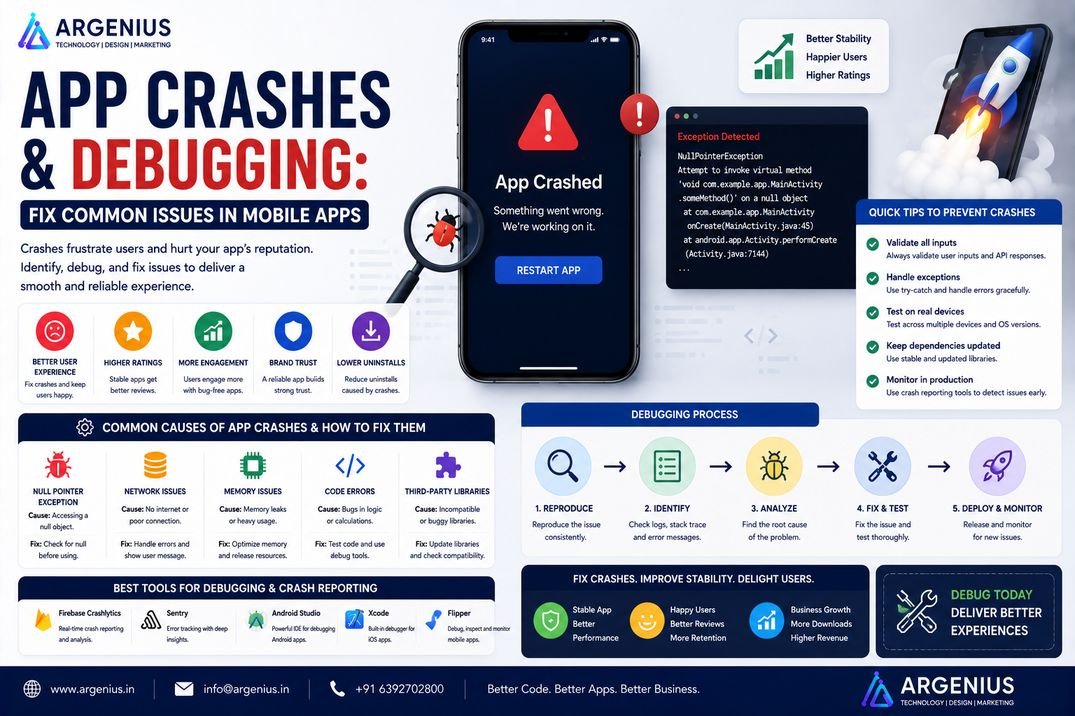
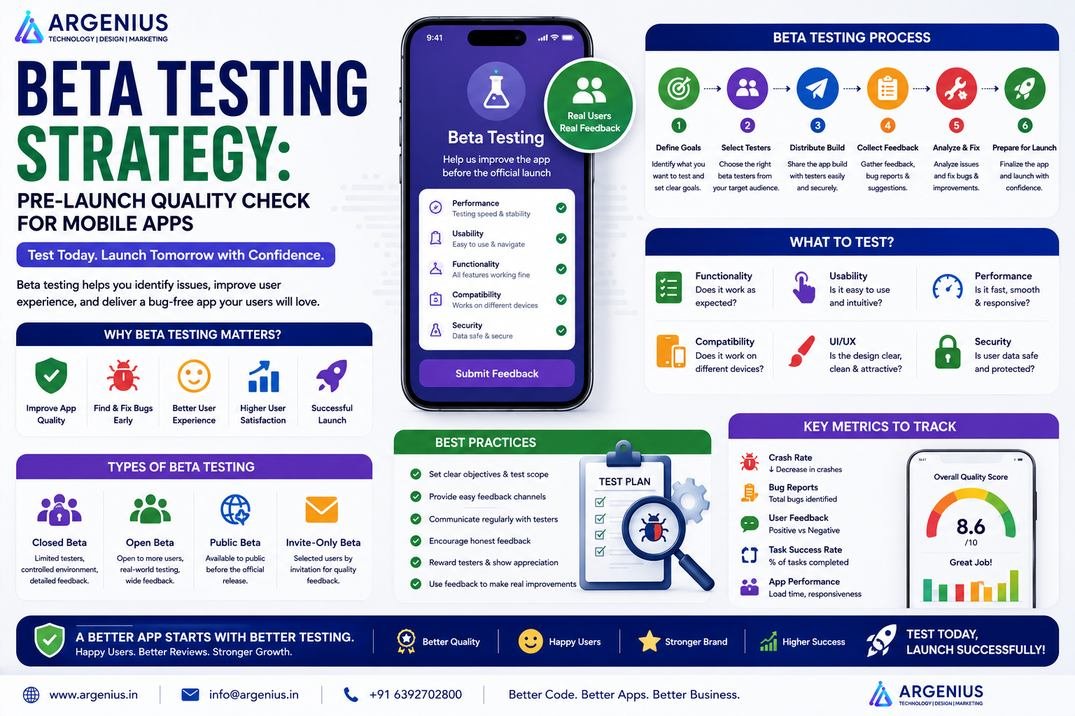
Comprehensive testing ensures the application performs smoothly across devices and network conditions.
Testing includes:
- Functional Testing
- UI/UX Testing
- Performance Testing
- API Testing
- Security Testing
- GPS Accuracy Testing
- Device Compatibility Testing
6. Deployment
Once testing is complete, the application is deployed to production.
Deployment includes:
- Google Play Store Publishing
- Apple App Store Publishing
- Cloud Server Configuration
- SSL Setup
- Monitoring & Logging
7. Maintenance & Continuous Improvement
Launching the app is only the beginning. Continuous improvements help keep users engaged and ensure smooth operations.
Maintenance services include:
- Bug Fixes
- Feature Enhancements
- Performance Optimization
- Security Updates
- Server Monitoring
- Technical Support
Cost of Taxi Booking App Development
The total development cost depends on app complexity, platforms, integrations, and customization requirements.
| Application Type |
Estimated Cost |
| Basic MVP |
$10,000 – $20,000 |
| Standard Taxi App |
$20,000 – $40,000 |
| Multi-City Ride-Hailing Platform |
$40,000 – $80,000 |
| Enterprise Mobility Solution |
Custom Pricing |
Factors affecting development cost include:
- Android & iOS Support
- UI/UX Complexity
- Real-Time GPS Tracking
- Third-Party API Integrations
- AI Features
- Admin Dashboard
- Cloud Infrastructure
- Maintenance & Support
Development Timeline
A typical taxi booking application requires several months to build, depending on its complexity.
| Development Phase |
Estimated Time |
| Planning & Research |
1–2 Weeks |
| UI/UX Design |
2–4 Weeks |
| Backend Development |
4–8 Weeks |
| Mobile App Development |
6–10 Weeks |
| Testing |
2–3 Weeks |
| Deployment |
1 Week |
Most production-ready taxi booking applications can be completed within 3 to 6 months.
Essential API Integrations
Modern taxi applications rely on several third-party services to deliver a seamless experience.
Maps & Navigation
Payment Gateways
Authentication
- Firebase Authentication
- Google Sign-In
- Apple Sign-In
Notifications
- Firebase Cloud Messaging (FCM)
- OneSignal
Communication
Analytics
- Firebase Analytics
- Google Analytics
Using trusted APIs reduces development time while improving reliability and scalability.
AI Features in Taxi Booking Apps
Artificial Intelligence is helping taxi platforms become smarter, faster, and more efficient.
Popular AI-powered features include:
- Intelligent Driver Matching
- Route Optimization
- ETA Prediction
- Dynamic Surge Pricing
- Fraud Detection
- Customer Behavior Analysis
- AI Chatbot Support
- Predictive Demand Forecasting
- Smart Ride Recommendations
- Fleet Optimization
AI not only improves operational efficiency but also enhances the customer experience.
Security Best Practices
Taxi booking applications process sensitive customer information, payment details, and location data. Strong security measures are essential to protect both users and businesses.
Recommended practices include:
- HTTPS Encryption
- JWT Authentication
- Multi-Factor Authentication (MFA)
- Secure Payment Processing
- Data Encryption
- API Rate Limiting
- Input Validation
- Secure Cloud Storage
- Role-Based Access Control
- Regular Security Audits
A secure platform builds trust and reduces the risk of cyber threats.
Common Challenges
Building and operating a taxi booking platform comes with several technical and operational challenges.
Some of the most common challenges include:
- Accurate GPS Tracking
- Real-Time Driver Availability
- Peak-Time Traffic Management
- Surge Pricing Logic
- Driver Allocation
- Ride Cancellation Handling
- Payment Failures
- High Server Traffic
- Customer Dispute Resolution
- Fleet Scalability
Addressing these challenges early leads to a more stable and reliable platform.
Taxi Booking App vs Ride Sharing App
Although both platforms provide transportation services, they serve different business models.
| Feature |
Taxi Booking App |
Ride Sharing App |
| Drivers |
Licensed Taxi Drivers |
Private Vehicle Owners |
| Fleet Ownership |
Taxi Companies or Partners |
Individual Drivers |
| Fare Structure |
Standard or Dynamic |
Shared Ride Pricing |
| Ride Type |
Private Taxi |
Shared or Private Ride |
| Target Audience |
General Public |
Cost-Conscious Travelers |
Understanding these differences helps businesses choose the right platform for their target market.
Advantages of Taxi Booking Apps
Taxi booking applications offer numerous benefits for businesses, drivers, and passengers.
Key advantages include:
- 24/7 Ride Availability
- Increased Business Revenue
- Better Customer Convenience
- Efficient Driver Management
- Secure Cashless Payments
- Real-Time Ride Tracking
- Improved Customer Retention
- Data-Driven Business Insights
- Automated Booking Process
- Enhanced Brand Visibility
These benefits make taxi booking applications a valuable investment in today's digital economy.
Future Trends
The future of taxi booking apps is being shaped by emerging technologies and changing customer expectations.
Key trends include:
- AI-Based Ride Dispatch
- Electric Vehicle (EV) Integration
- Autonomous Vehicles
- Voice-Based Ride Booking
- Predictive Analytics
- Contactless Payments
- Smart Fleet Management
- Green Transportation Solutions
- IoT-Enabled Vehicle Monitoring
- Hyperlocal Mobility Services
Businesses that embrace these innovations will be better prepared for the future of urban transportation.
Why Businesses Choose Argenius
Developing a successful taxi booking application requires technical expertise, scalable architecture, and a deep understanding of the transportation industry.
At Argenius, we build custom taxi booking solutions tailored to startups, fleet operators, and enterprise transportation providers. Our development services include customer apps, driver apps, admin dashboards, GPS tracking, secure payment integration, cloud deployment, AI-powered features, analytics, and long-term maintenance.
Whether you're planning to launch a local cab booking service or a large-scale ride-hailing platform similar to Uber, our team delivers secure, scalable, and future-ready solutions that help businesses grow with confidence.
Final Thoughts
Taxi booking applications have transformed the transportation industry by making ride booking faster, safer, and more convenient for users. From real-time GPS tracking and intelligent driver matching to secure digital payments and AI-powered optimization, modern taxi apps provide a seamless experience for passengers and drivers alike.
Choosing the right technology stack, business model, and development partner is essential for creating a successful platform that can scale with your business.
At Argenius, we help businesses turn innovative mobility ideas into high-performance taxi booking applications designed for long-term success and customer satisfaction.
Frequently Asked Questions
How much does it cost to develop a taxi booking app?
A basic MVP typically starts from $10,000, while advanced multi-city ride-hailing platforms can exceed $80,000, depending on features and complexity.
How long does it take to build an Uber-like app?
A production-ready taxi booking app generally takes 3 to 6 months, depending on the project scope and customization requirements.
Which technology is best for taxi booking app development?
Flutter and React Native are excellent for cross-platform mobile development, while Node.js or Laravel are widely used for scalable backend systems. Google Maps API and Firebase are commonly integrated for navigation and real-time communication.
What are the essential features of a taxi booking app?
Core features include ride booking, fare estimation, GPS tracking, driver matching, online payments, ride history, ratings, notifications, and an admin dashboard.
Can I build an app similar to Uber?
Yes. With the right technology stack and experienced development team, you can create a scalable ride-hailing platform with features similar to Uber while adding unique functionality tailored to your business.
Why is GPS integration important in taxi apps?
GPS enables accurate driver matching, live ride tracking, optimized routes, and estimated arrival times, improving both customer satisfaction and operational efficiency.
Can Argenius develop a custom taxi booking solution?
Yes. Argenius offers end-to-end taxi booking app development services, including UI/UX design, mobile app development, backend systems, GPS integration, payment gateway integration, cloud deployment, testing, and post-launch maintenance.