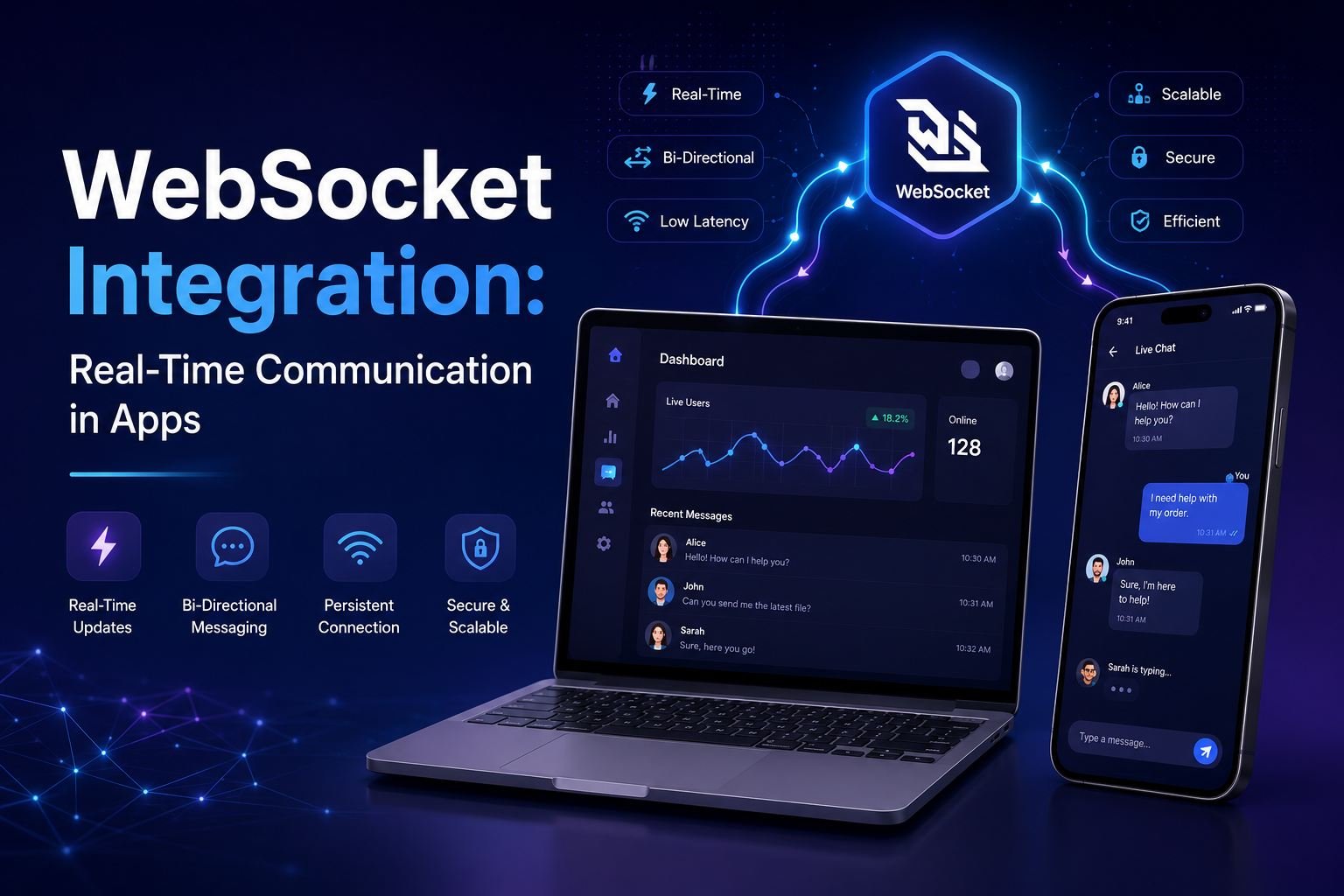
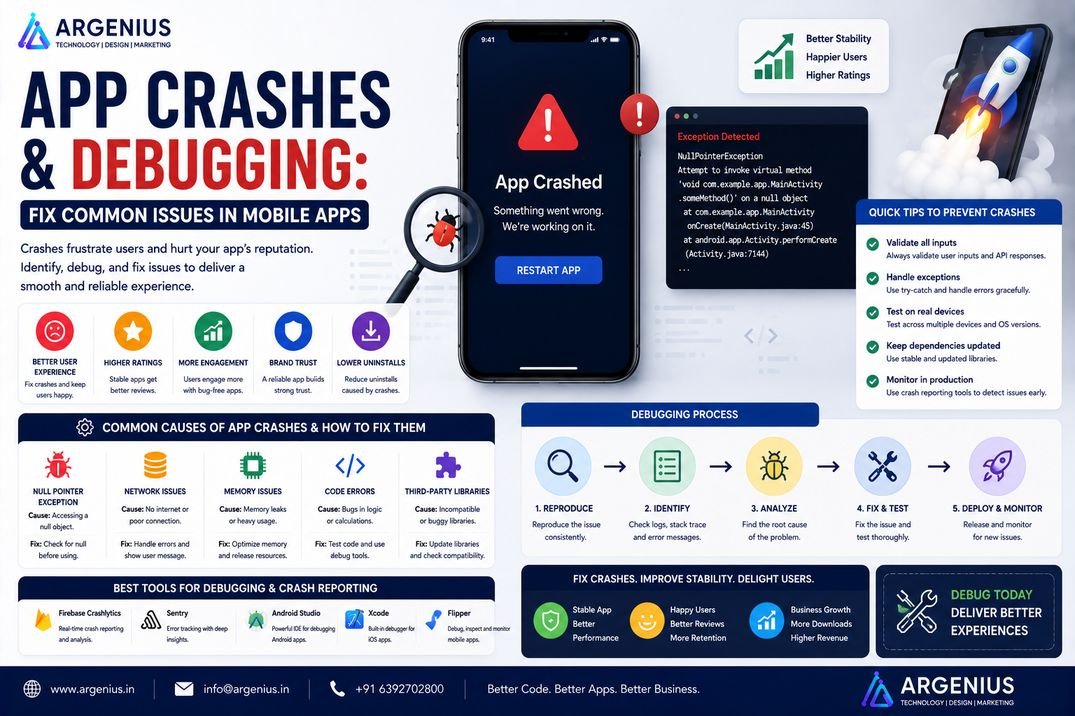
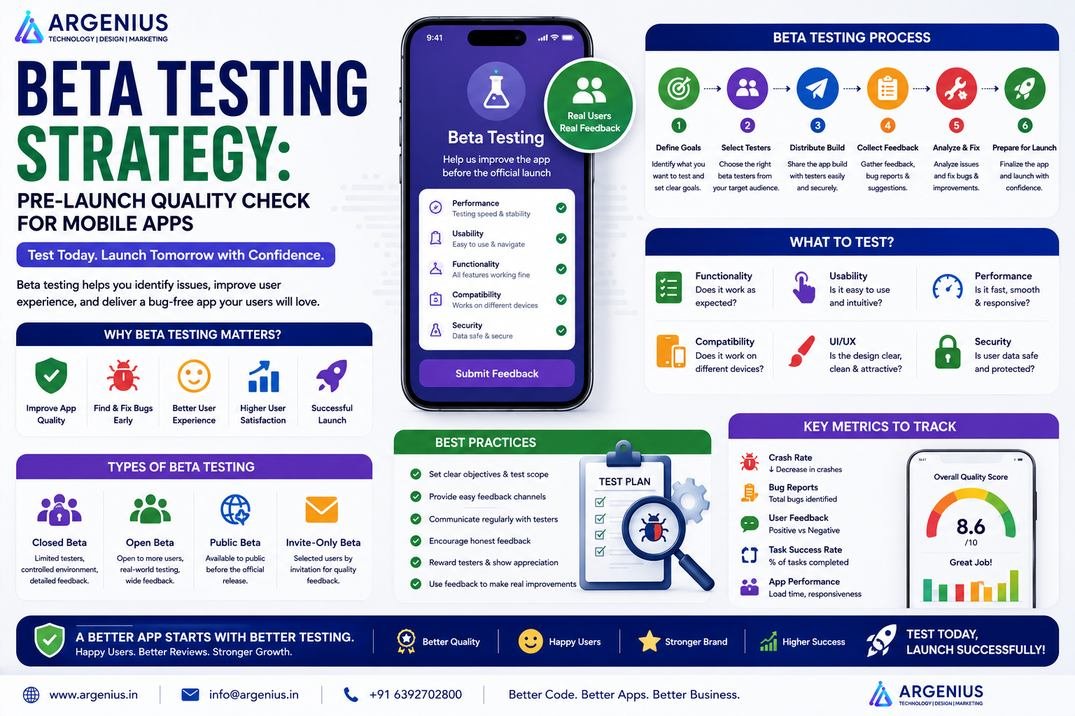
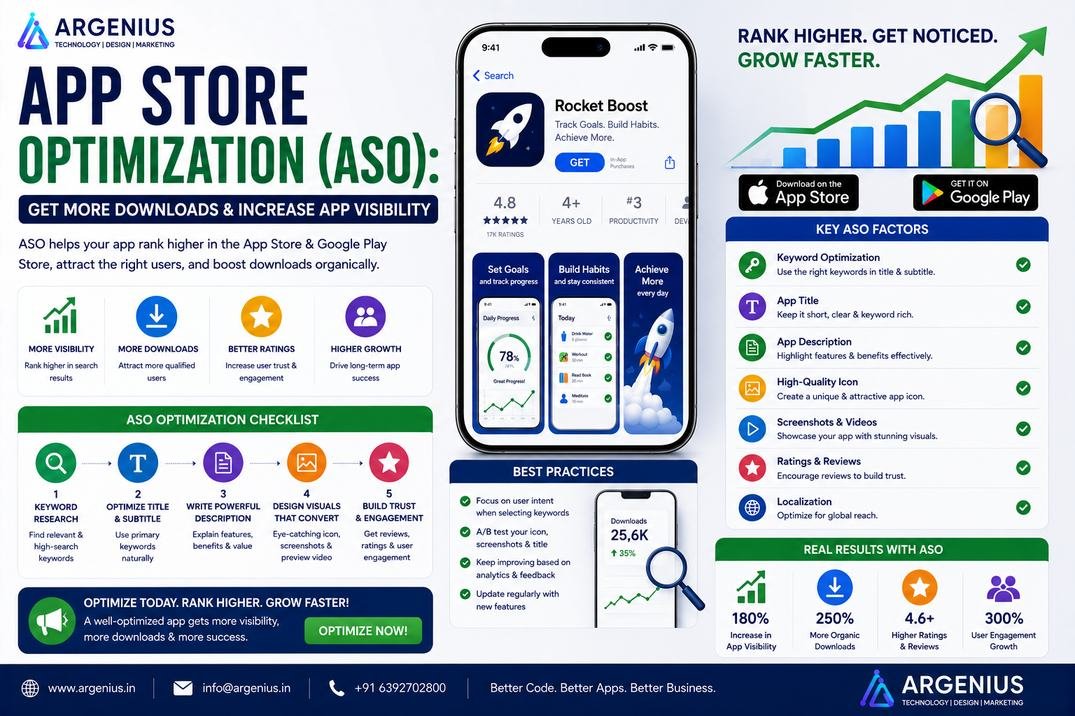
Modern mobile applications require instant communication between users and servers. WebSocket enables persistent, two-way communication, making it ideal for chat applications, live tracking, gaming, financial platforms, and collaborative tools. Learn how WebSocket powers real-time mobile experiences and why it has become an essential technology for modern app development.
Introduction
Modern mobile applications are expected to deliver instant updates without requiring users to refresh the screen. Whether it's receiving a new chat message, tracking a food delivery order, monitoring stock prices, participating in an online game, or joining a live video session, users expect information to appear in real time.
Traditional HTTP communication follows a request-response model where the client sends a request and waits for the server to respond. While this works well for many applications, it becomes inefficient for scenarios that require continuous updates. Developers often resort to repeated polling, which increases network traffic, consumes more battery, and creates unnecessary server load.
This is where WebSocket transforms the way modern applications communicate.
WebSocket is a communication protocol that establishes a persistent, two-way connection between the client and the server. Once connected, both sides can exchange data instantly without repeatedly opening new HTTP connections. This enables fast, low-latency communication and significantly improves the user experience.
Today, WebSocket powers many of the world's most popular applications, including messaging platforms, live collaboration tools, online gaming, financial trading systems, healthcare monitoring apps, and logistics platforms.
In this guide, you'll learn everything about WebSocket Integration, including how it works, its architecture, real-world applications, performance benefits, and why it has become a key technology for modern mobile app development.
At Argenius, we build scalable real-time applications using WebSocket technology to help businesses deliver fast, responsive, and engaging digital experiences.
What is WebSocket?
WebSocket is a communication protocol that enables continuous, bidirectional communication between a client and a server over a single, long-lived connection.
Unlike HTTP, where each request creates a new connection, WebSocket keeps the connection open, allowing both the client and server to send messages whenever necessary.
This persistent connection makes WebSocket highly efficient for applications that require real-time communication.
Common use cases include:
- Live Chat Applications
- Video Conferencing
- Food Delivery Tracking
- Ride Booking Apps
- Online Gaming
- Stock Market Platforms
- IoT Dashboards
- Live Sports Updates
- Collaborative Editing Tools
- Customer Support Systems
Why WebSocket is Important for Mobile Apps
Modern mobile applications demand instant communication while minimizing bandwidth consumption and battery usage.
WebSocket addresses these requirements by maintaining a single active connection rather than repeatedly sending HTTP requests.
Major benefits include:
- Instant communication
- Lower latency
- Reduced bandwidth usage
- Better battery efficiency
- Faster user experience
- Continuous data synchronization
- Reduced server overhead
These advantages make WebSocket one of the most effective solutions for building responsive mobile applications.
How WebSocket Works
WebSocket communication begins with a standard HTTP request.
After the client requests a WebSocket connection, the server performs a protocol upgrade known as the WebSocket Handshake.
Once the handshake is completed:
- A persistent connection is established.
- Both client and server remain connected.
- Either side can send messages at any time.
- Communication continues until one side closes the connection.
This eliminates the need for repeated request-response cycles.
WebSocket Architecture
A scalable WebSocket implementation typically includes multiple layers working together.
These layers include:
- Mobile Application
- WebSocket Client
- Authentication Layer
- WebSocket Server
- Business Logic
- Database
- Cache Layer
- Message Queue
- Monitoring System
- Cloud Infrastructure
This architecture supports high availability, scalability, and efficient message delivery for real-time applications.
WebSocket Handshake
Before a WebSocket connection is established, the client and server perform an initial HTTP-based handshake.
During this process:
- The client requests an upgrade from HTTP to WebSocket.
- The server validates the request.
- If accepted, the protocol switches to WebSocket.
- The persistent connection is established.
After the handshake, communication no longer follows the traditional HTTP request-response model.
Persistent Connections
One of WebSocket's biggest advantages is its persistent connection.
Instead of opening a new connection for every request, the same connection remains active throughout the session.
Benefits include:
- Faster communication
- Lower latency
- Reduced CPU usage
- Lower bandwidth consumption
- Better scalability
- Improved battery performance
Persistent connections are essential for applications that exchange frequent updates.
Real-Time Communication
Real-time communication enables applications to exchange information instantly without requiring manual refreshes.
Examples include:
- Chat Messages
- Typing Indicators
- Delivery Tracking
- Ride Status Updates
- Multiplayer Game Events
- Stock Price Changes
- Live Notifications
- Sports Score Updates
WebSocket delivers these updates almost instantly, creating a smooth and engaging user experience.
Socket.IO
Socket.IO is one of the most popular libraries for implementing WebSocket-based communication.
Although it primarily uses WebSocket, it also supports fallback transport methods when WebSocket is unavailable.
Socket.IO provides features such as:
- Automatic reconnection
- Event-based messaging
- Broadcasting
- Rooms and namespaces
- Acknowledgements
- Error handling
- Cross-platform compatibility
These capabilities simplify the development of reliable real-time applications.
WebSocket in Android Applications
Android applications commonly use WebSocket for scenarios requiring continuous communication.
Popular use cases include:
- Chat Applications
- Online Gaming
- Banking Notifications
- Food Delivery Tracking
- GPS Monitoring
- IoT Control Panels
- Live Sports Apps
By maintaining a persistent connection, Android applications deliver updates with minimal delay and improved responsiveness.
WebSocket in iOS Applications
iOS applications also benefit significantly from WebSocket technology.
Developers use WebSocket for:
- Live Messaging
- Financial Applications
- Healthcare Monitoring
- Collaborative Workspaces
- Streaming Platforms
- Smart Home Applications
- Customer Support Systems
The persistent communication model ensures users receive updates quickly while reducing unnecessary network activity.
WebSocket with Flutter
Flutter provides built-in support for WebSocket communication, allowing developers to build high-performance cross-platform applications.
Common Flutter use cases include:
- Messaging Apps
- Live Tracking
- Sports Applications
- Online Gaming
- Collaborative Tools
- IoT Dashboards
Flutter's reactive UI framework combines well with WebSocket to create smooth, real-time user experiences across Android and iOS devices.
WebSocket with React Native
React Native developers frequently integrate WebSocket to provide instant communication in cross-platform applications.
Typical implementations include:
- Real-Time Notifications
- Chat Systems
- Live Dashboards
- Ride Booking Platforms
- Video Collaboration
- Financial Trading Apps
Because React Native shares much of its business logic across platforms, WebSocket integration enables consistent real-time experiences for both Android and iOS users.
Why Businesses Choose WebSocket
Businesses adopt WebSocket because it significantly improves the responsiveness of applications while reducing network overhead.
Some key business benefits include:
- Faster communication
- Improved customer engagement
- Lower latency
- Better scalability
- Efficient bandwidth usage
- Seamless live updates
- Reduced infrastructure costs
- Enhanced user experience
These advantages make WebSocket a preferred choice for businesses building modern, data-driven applications.
WebSocket vs REST API
WebSocket and REST API serve different purposes in application development.
REST APIs follow a request-response model where the client initiates every interaction. WebSocket, on the other hand, establishes a persistent connection that allows both the client and server to exchange data instantly.
| Feature |
WebSocket |
REST API |
| Communication |
Bidirectional |
Request-Response |
| Connection |
Persistent |
New Connection Per Request |
| Latency |
Very Low |
Moderate |
| Real-Time Support |
Excellent |
Limited |
| Data Transfer |
Continuous |
On Demand |
| Best For |
Live Applications |
Standard APIs |
Choose WebSocket When
- Building chat applications
- Developing multiplayer games
- Implementing live tracking
- Streaming financial data
- Creating collaborative platforms
Choose REST API When
- Building CRUD applications
- Managing content-based systems
- Developing standard business applications
- Serving infrequently changing data
- Integrating traditional backend services
Many modern applications combine REST APIs with WebSocket to achieve the best balance between standard operations and real-time communication.
WebSocket vs Server-Sent Events (SSE)
Server-Sent Events provide one-way communication from the server to the client, whereas WebSocket enables full-duplex communication.
| Feature |
WebSocket |
SSE |
| Communication |
Two-Way |
One-Way |
| Client Messages |
Yes |
No |
| Real-Time Updates |
Excellent |
Good |
| Browser Support |
Excellent |
Good |
| Mobile Apps |
Excellent |
Moderate |
| Best For |
Interactive Apps |
Live Feeds |
If users need to send and receive data continuously, WebSocket is the better choice.
WebSocket vs Firebase
Although Firebase supports real-time synchronization, it differs from WebSocket in terms of architecture and flexibility.
| Feature |
WebSocket |
Firebase |
| Communication |
Direct |
Managed Service |
| Backend Control |
Full |
Limited |
| Database |
External |
Built-in |
| Real-Time Updates |
Yes |
Yes |
| Server Management |
Required |
Google Managed |
| Best For |
Custom Enterprise Apps |
Rapid Development |
Firebase is ideal for quick development, while WebSocket offers greater flexibility for custom enterprise solutions.
Performance Optimization
A well-optimized WebSocket implementation ensures fast communication and efficient resource usage.
Best practices include:
- Compress messages before transmission
- Send only necessary data
- Implement heartbeat mechanisms
- Reuse existing connections
- Minimize message size
- Optimize server memory usage
- Use asynchronous processing
- Monitor connection health
These optimizations reduce latency and improve scalability.
Security Best Practices
Because WebSocket maintains persistent connections, securing communication is essential.
Use Secure WebSockets (WSS)
Always use encrypted WebSocket connections instead of unsecured WS connections.
Authenticate Every Connection
Verify user identity before establishing a persistent connection.
Authorize Access
Ensure users can access only the channels and resources they are permitted to use.
Validate Incoming Messages
Never trust client data without proper validation.
Rate Limiting
Protect the server against spam messages and denial-of-service attacks.
Monitor Connections
Track unusual connection behavior to identify suspicious activity.
Implement Timeouts
Automatically close inactive or abandoned connections to conserve server resources.
Scalability
As applications grow, WebSocket infrastructure must support thousands or even millions of simultaneous users.
Common scaling strategies include:
- Horizontal Scaling
- Stateless Application Servers
- Distributed WebSocket Gateways
- Redis Pub/Sub
- Message Brokers
- Kubernetes Deployment
- Auto Scaling
- Cloud Infrastructure
These techniques ensure consistent performance even during periods of high traffic.
Load Balancing
Large-scale WebSocket deployments rely on load balancers to distribute client connections across multiple servers.
Popular approaches include:
- Sticky Sessions
- Layer 7 Load Balancers
- Reverse Proxies
- Cloud Load Balancers
- Geographic Traffic Distribution
Load balancing improves reliability, fault tolerance, and application availability.
Advantages of WebSocket
WebSocket offers numerous benefits for real-time application development.
Some major advantages include:
- Instant communication
- Low latency
- Persistent connections
- Reduced bandwidth consumption
- Efficient server communication
- Better battery performance
- Faster user experience
- Supports millions of concurrent connections
- Cross-platform compatibility
- Event-driven communication
- Excellent scalability
- Ideal for live applications
These benefits make WebSocket one of the most effective technologies for interactive mobile applications.
Limitations of WebSocket
Despite its strengths, WebSocket is not the ideal solution for every project.
Some limitations include:
- Requires dedicated server infrastructure
- More complex implementation than REST APIs
- Connection management adds complexity
- Firewall restrictions in some environments
- Resource usage increases with active connections
- Additional scaling strategies are required for large deployments
With proper planning and architecture, these challenges can be effectively managed.
Best Use Cases
WebSocket is particularly effective for applications where immediate communication is essential.
Popular use cases include:
- Chat Applications
- Video Calling Platforms
- Multiplayer Games
- Food Delivery Tracking
- Taxi Booking Systems
- Financial Trading Platforms
- Live Sports Updates
- Healthcare Monitoring
- IoT Applications
- Customer Support Systems
- Live Dashboards
- Collaborative Editing Platforms
Its ability to deliver instant updates creates a more engaging user experience.
Industries Using WebSocket
Many industries rely on WebSocket to power mission-critical applications.
Common industries include:
- Banking & Finance
- Healthcare
- Logistics
- Transportation
- E-commerce
- Education
- Manufacturing
- Gaming
- Telecommunications
- SaaS Platforms
As businesses increasingly adopt real-time digital experiences, WebSocket continues to play a vital role in application architecture.
Common Mistakes Businesses Make
Many organizations fail to maximize WebSocket's potential due to implementation mistakes.
Avoid these common issues:
- Using WebSocket when REST is sufficient
- Ignoring authentication and authorization
- Sending unnecessary messages
- Not handling reconnections properly
- Poor connection lifecycle management
- Ignoring monitoring and logging
- Failing to implement heartbeat checks
- Skipping load testing
- Not planning for horizontal scaling
- Leaving inactive connections open
Proper architecture from the beginning helps ensure reliable, secure, and scalable real-time communication.
Future of Real-Time Communication
The demand for real-time digital experiences continues to grow across industries.
Key trends shaping the future include:
- AI-powered live interactions
- Edge computing integration
- 5G-enabled real-time applications
- IoT ecosystem expansion
- Cloud-native WebSocket services
- Serverless event streaming
- Smarter monitoring tools
- Improved scalability technologies
As users expect faster and more interactive applications, WebSocket will remain one of the core technologies powering next-generation mobile experiences.
Why Businesses Choose Argenius
Building a reliable real-time communication system requires more than simply implementing WebSocket. It demands secure architecture, scalable infrastructure, efficient message handling, and continuous performance optimization.
At Argenius, we develop enterprise-grade WebSocket solutions tailored to modern business needs. Our services include WebSocket architecture design, Socket.IO implementation, real-time API integration, authentication, scalable cloud deployment, load balancing, monitoring, and long-term maintenance.
Whether you're creating a messaging platform, delivery tracking application, collaborative workspace, or live analytics dashboard, our team ensures your solution delivers fast, secure, and uninterrupted real-time communication.
Final Thoughts
WebSocket has revolutionized the way modern applications communicate by enabling persistent, bidirectional connections between clients and servers. Unlike traditional request-response models, WebSocket delivers instant updates with lower latency, reduced bandwidth usage, and a smoother user experience.
From live chat and multiplayer gaming to financial trading, healthcare monitoring, and logistics tracking, WebSocket powers many of today's most interactive digital products.
While implementing WebSocket requires careful planning around security, scalability, and infrastructure, its long-term advantages make it an excellent choice for applications where real-time communication is essential.
At Argenius, we help businesses build secure, scalable, and high-performance WebSocket solutions that support modern Android and iOS applications while delivering exceptional user experiences.
Frequently Asked Questions
What is WebSocket in mobile app development?
WebSocket is a communication protocol that creates a persistent, two-way connection between a mobile application and a server, enabling instant real-time communication.
How is WebSocket different from REST API?
REST APIs require a new request for every interaction, while WebSocket maintains a continuous connection that allows both client and server to exchange data instantly.
Is WebSocket suitable for chat applications?
Yes. WebSocket is one of the best technologies for chat applications because it provides low-latency, real-time message delivery.
What is Socket.IO?
Socket.IO is a popular library that simplifies WebSocket implementation by offering features such as automatic reconnection, event-based messaging, rooms, namespaces, and fallback transport mechanisms.
Is WebSocket secure?
Yes. When implemented using WSS (WebSocket Secure), authentication, authorization, encrypted communication, and input validation, WebSocket is suitable for enterprise-grade applications.
Can Flutter and React Native use WebSocket?
Yes. Both Flutter and React Native provide WebSocket support, making it easy to build cross-platform mobile applications with real-time communication features.
Which industries benefit most from WebSocket?
Industries such as fintech, healthcare, logistics, gaming, eCommerce, transportation, education, and SaaS benefit significantly from WebSocket because of its ability to deliver live updates.
Can Argenius develop WebSocket-powered mobile applications?
Yes. Argenius provides end-to-end WebSocket development services, including architecture planning, Socket.IO integration, real-time APIs, cloud deployment, performance optimization, and ongoing maintenance.